Portuguese
  Spanish


The largest library on the planet gathers millions of physical records, digital collections, historical documents, and rare materials in a structure linked to the United States Congress, with functions that go beyond traditional consultation and help preserve different forms of memory, research, and intellectual production.
The Library of Congress in Washington, United States, is presented by the institution itself as the largest library in the world and manages more than 178 million physical items in its collections, according to official information.
Linked to the United States Congress, the library gathers books, films, videos, sound recordings, photographs, newspapers, maps, scores, manuscripts, legal documents, and historical collections preserved in different formats, languages, and areas of knowledge.
Besides serving researchers and visitors, the institution functions as a preservation center, public access to information, and legislative support, while also housing the United States Copyright Office.
-
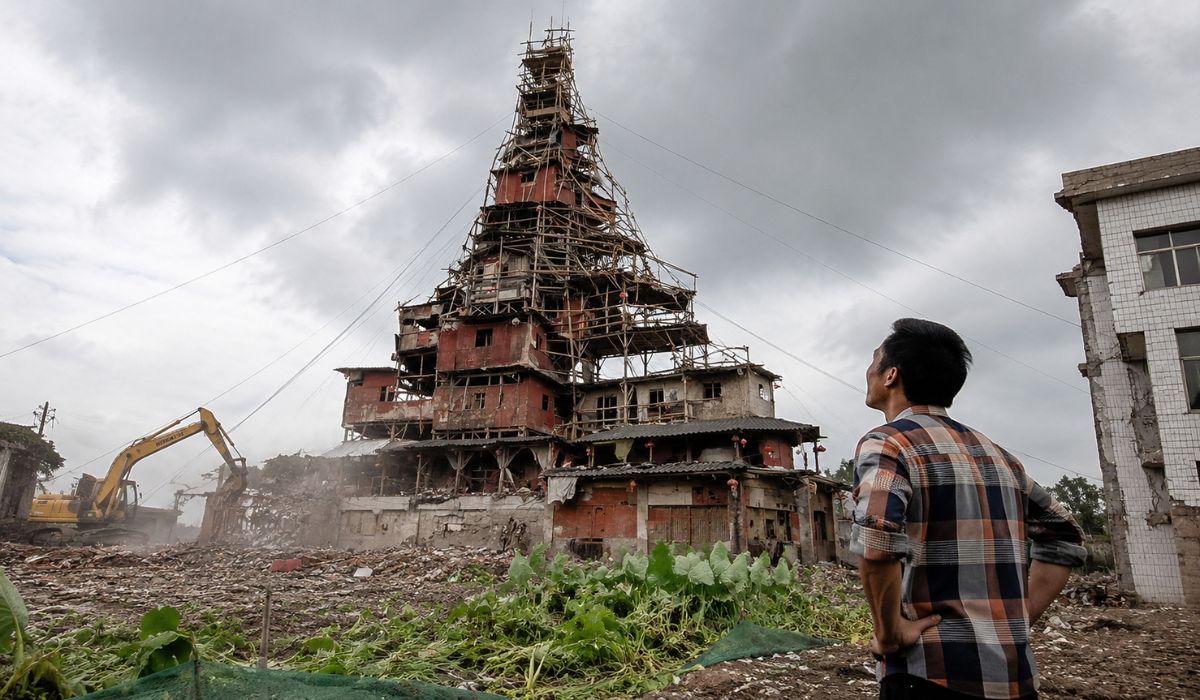
Chinese Man Transforms Home into 10-Story Pyramid Over 8 Years, Defying Authorities Before Demolition

-
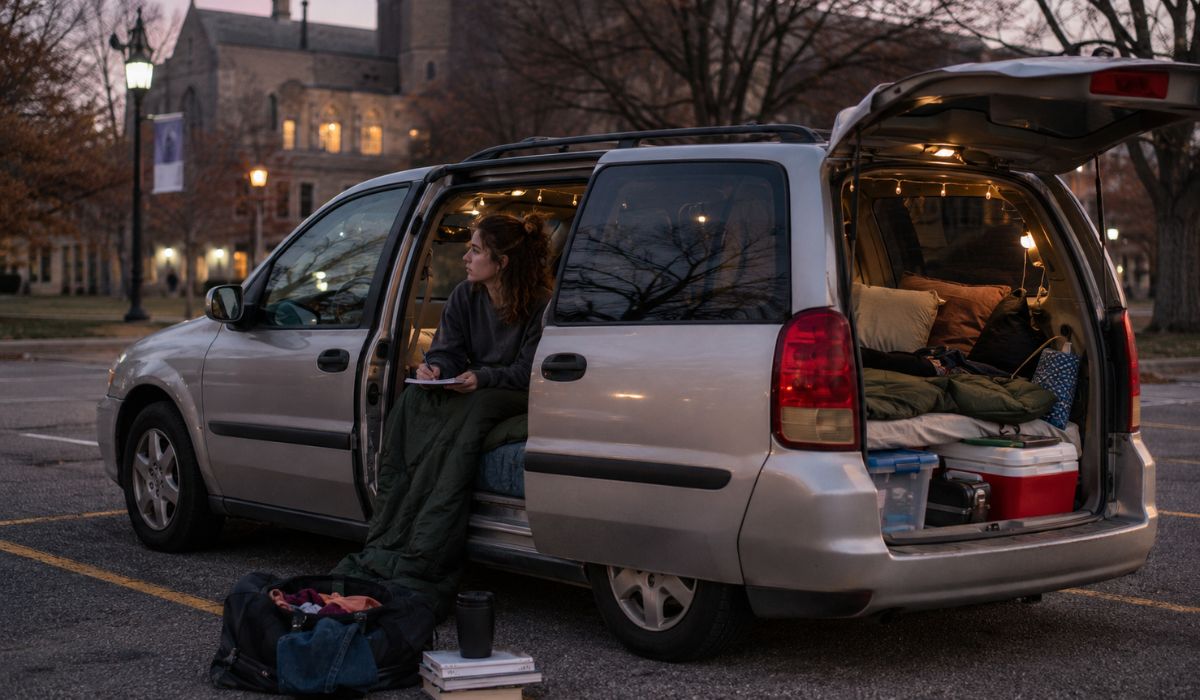
Faced with College Costs, Brazilian Student Lived in a Minivan for Nearly Two Years to Graduate Debt-Free
-
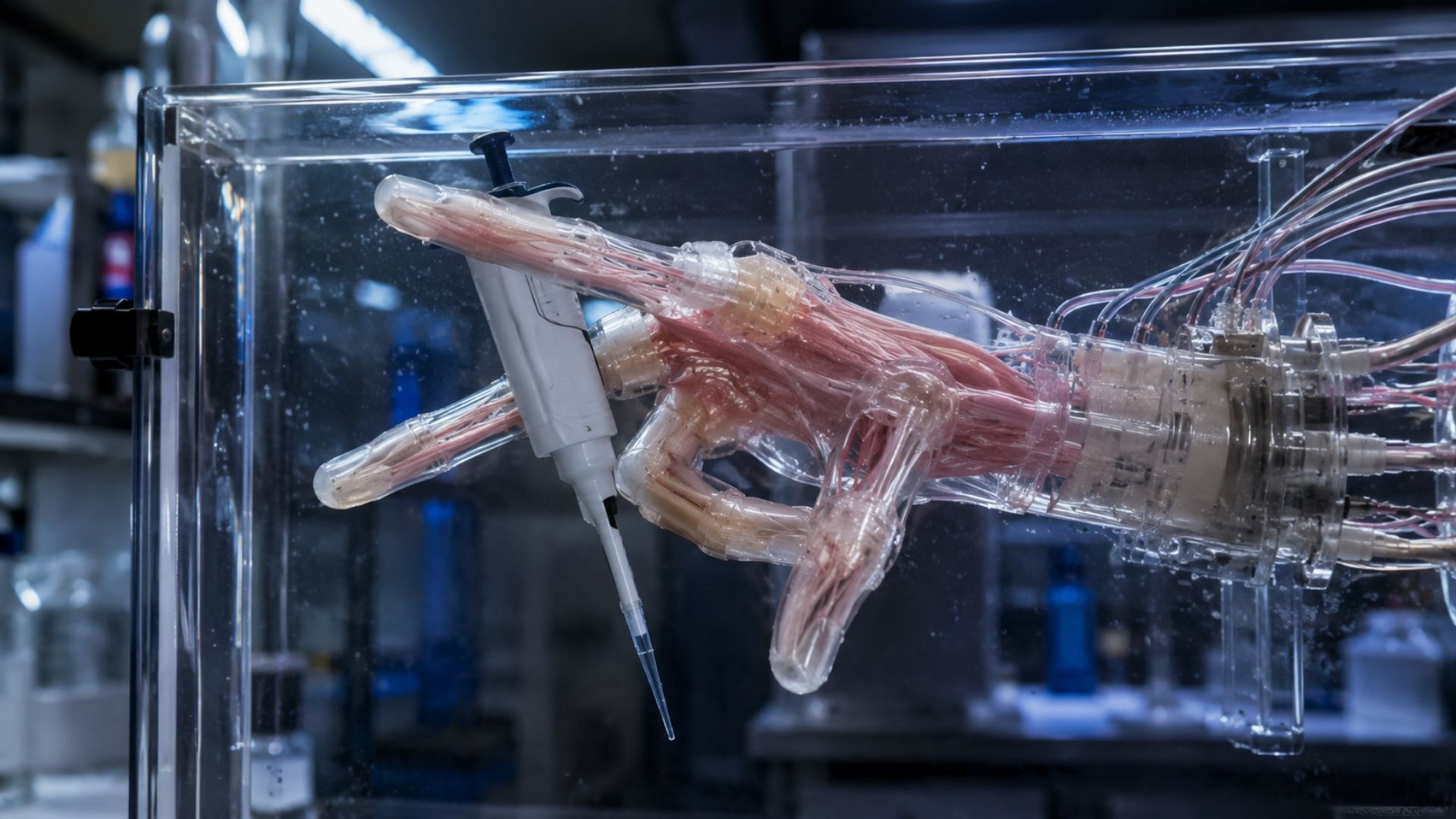
Tokyo Scientists Create First 18cm Biohybrid Hand Using Human Muscle, Capable of Scissor Gesture and Holding a Pipette

-
Brazil Faces Norway in World Cup at Stadium Linked to Jimmy Hoffa’s Mysterious Disappearance


Library of Congress collection goes beyond books
The size of the Library of Congress explains why the institution is officially described as the largest library in the world, as the volume preserved surpasses the traditional idea of shelves with printed works.
In its collections, there are materials that allow the study of different periods of history, culture, politics, science, arts, and communication, with documents related to the United States and other regions of the world.
The collection includes rare works, audiovisual records, manuscripts, newspapers, historical photographs, ancient maps, recordings, scores, and legal documents, each subjected to its own criteria of cataloging, conservation, storage, and consultation.
This diversity also requires a permanent operation, because a manuscript, a film, a sound recording, and an ancient map depend on different procedures for preservation, technical description, and access by researchers.
Library of Congress gathers materials in hundreds of languages
According to the Library of Congress, its collections encompass materials in 470 languages, a number that indicates the international breadth of the collection and shows that the library is not restricted to American memory.
Although it plays a central role in preserving the history of the United States, the institution holds documents produced in different countries, languages, and cultural contexts, forming a base used by researchers, public servants, journalists, writers, students, and visitors.
The linguistic diversity reinforces the comparison between the library and a metropolis of memory, an expression used to measure the variety of areas, formats, and collections that make up the institution’s documentary structure.
Instead of a homogeneous collection, the Library of Congress manages specialized sets that are connected by themes, media, periods, and origins, with materials organized for consultation, preservation, and research.
Among the collections, there are documents focused on political history, artistic production, territory records, sound memory, press, legislation, and other areas related to human intellectual production.
The origin of the world’s largest library dates back to 1800
Created in 1800 to meet the information needs of the American Congress, the Library of Congress began with a small collection and transformed, over more than two centuries, into a large cultural institution in the United States.
Official records of the library indicate that the institution originated with 152 titles in 740 volumes and three maps, acquired from a budget approved by the United States government in the early 19th century.
The library’s history also went through losses and reconstructions, including the burning of the Capitol during the War of 1812, which destroyed an important part of the original collection maintained by Congress.
After the destruction of the initial collection, the rebuilding occurred with the purchase of Thomas Jefferson’s personal library, an episode that marked a new phase in the formation of the institution’s collections.
With the advancement of documentary, scientific, legislative, journalistic, and artistic production, the library began to incorporate formats that did not exist when it was created, such as films, sound recordings, videos, and digital files.
Public access combines reading rooms and digital collections
Despite the name associated with Congress, the Library of Congress does not function solely as a support structure for parliamentarians, as it also serves researchers, visitors, and users interested in consulting materials available to the public.
The institution maintains reading rooms, organizes catalogs, offers specialized services, and makes part of its collections available online, according to the rules applicable to each type of document.
Public access varies according to the material consulted, as some documents can be viewed on digital platforms, while others require in-person service, specific authorization, or technical assistance within the library’s facilities.
This combination of in-person consultation and digital access has expanded the institution’s reach, allowing users outside of Washington to engage with part of the collection without needing to visit the library buildings.
At the same time, researchers with specific demands turn to the reading rooms and internal services to access physically preserved documents, especially when the material requires controlled handling conditions.
Digitization has become a significant front for the library because it helps reduce the handling of sensitive documents and broadens the circulation of historical, academic, and cultural materials to audiences in different locations.
Legislative Research and Copyrights Expand the Institution’s Role
The Library of Congress is involved in the preservation of historical collections and also serves as the main research arm of the United States Congress, according to the institutional definition released by the library itself.
In addition to the documentary collections, the structure houses the U.S. Copyright Office, the body responsible for records and services related to copyrights in the country, within the American system of intellectual property protection.
This institutional link differentiates the Library of Congress from libraries solely focused on public consultation, as the institution combines technical support to the Legislature, document preservation, researcher assistance, and copyright management.
Due to this multifaceted role, daily operations involve specialized areas in cataloging, conservation, digitization, user guidance, database maintenance, and organizing access to millions of physical and digital items.
Documentary Structure Operates on a Large City Scale
The comparison to a large city is used to gauge the operational complexity of the Library of Congress, which brings together specialized sectors for different types of collections, such as books, images, sounds, maps, films, manuscripts, and legal documents.
However, the size of the institution is not limited to the number of cataloged items, as each collection fulfills a specific documentary function within the areas of research, historical preservation, and public access to information.
A photograph can capture customs of a certain era, a sound recording can preserve historical voices, a map can document old territorial divisions, and a manuscript can reveal stages of production of an idea or work.
Gathered in a single institution, these records form an organized and searchable heritage, used by academics, students, public servants, journalists, and visitors in studies of different periods, formats, and areas of knowledge.
The variety of documents also helps to explain the general public’s interest in the largest library in the world, as the collection is not limited to books and includes sounds, images, maps, films, and historical archives.
With millions of records preserved in physical format and part of the collections available in a digital environment, the Library of Congress maintains a structure focused on research, education, public memory, and organized access to information.