






 Portuguese
  Spanish


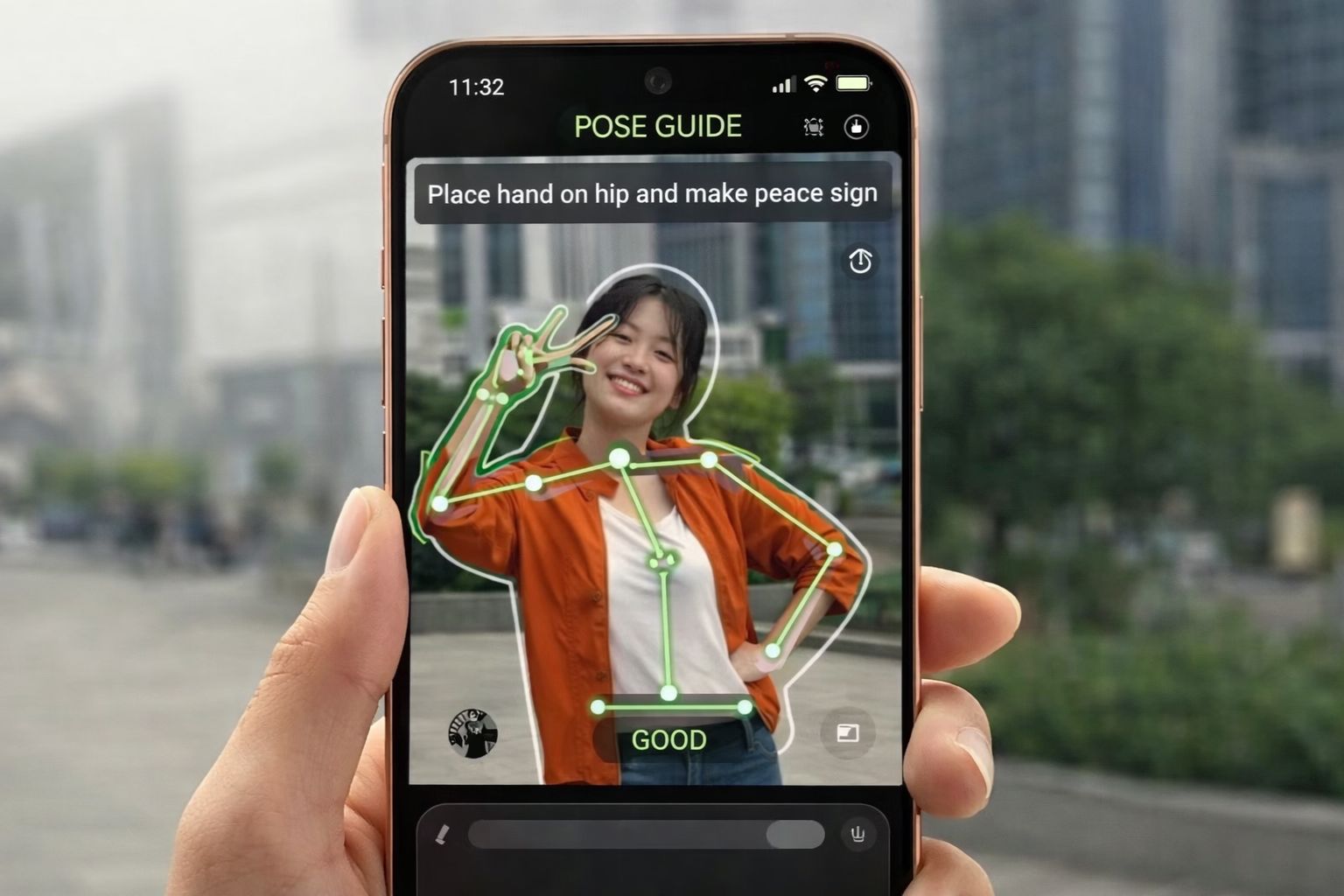

Huawei launches the Pura 90 Pro Max on April 20 with a feature that displays pose suggestions in real-time on the camera screen. The system uses artificial intelligence to read the scene, interpret the subject, and propose variations in posture, transforming the smartphone into a portrait director with a 1-inch sensor and 200-megapixel telephoto lens.
Huawei is about to launch a smartphone that does not just take photos; it teaches how to pose for them. The Pura 90 Pro Max, expected on April 20, features a function that displays pose suggestions directly on the camera screen, with a white outline guiding the person being photographed. Huawei’s artificial intelligence system reads the scene, interprets the subject in the frame, and proposes variations in real-time, offering alternatives for those who tend to repeat the same poses and freeze in front of the lens. This feature puts the smartphone in a role that was previously exclusive to the photographer: directing the portrait.
The difference between what Huawei is doing and the camera functions already available in other smartphones is qualitative, not just technical. Until now, artificial intelligence in smartphones improved the image after it was captured: adjusting light, smoothing skin, blurring backgrounds. Huawei, with the Pura 90 Pro Max, takes a step further by acting before the click, guiding the person on how to position themselves for the best photo outcome. The camera stops being passive and becomes an active participant in the image construction, a change that has implications for both the average user and the professional photographer.
What the new Huawei feature does in practice

According to the portal techenet, when activating the pose directing feature on the Pura 90 Pro Max, Huawei’s camera app begins to display silhouettes and outlines on the screen that indicate suggested positions for the body, arms, head, and overall posture. The system analyzes the composition of the frame, the available lighting, and the subject’s position relative to the background, and based on this reading, proposes variations that the algorithm calculates to be more aesthetically favorable.
-
China Accelerates Global Expansion of Robotics: From Smart Vacuums to Industrial and Humanoid Machines, Millions Exported to Over 150 Markets

-
Polar Air Mass to Hit Brazil: Temperatures to Plummet in Nine States, Near Freezing in the South with Frost Risk Until Monday
-
Chinese “dark factories” produce electric cars 24/7 with minimal human intervention, as Zeekr assembles 800 units daily, raising concerns in Brazil.

-
Spectacular Green Aurora Seen from Space Illuminates International Space Station, Captivates French Astronaut




In practice, this means that someone taking a photo with the Huawei phone will see a kind of visual guide on the screen that changes as the person moves. If the subject is facing forward, the system may suggest a slight rotation of the body; if the arms are rigid at the sides of the body, Huawei may indicate a more natural position. Everything happens in real-time, without the need to pause, consult references, or rely on a photographer to give instructions. The phone takes on this function by itself.
How Huawei trained artificial intelligence to direct portraits

The pose suggestion system from Huawei is powered by a database that includes millions of images analyzed by machine learning algorithms. The artificial intelligence identifies pose patterns that work well in different contexts, such as individual portraits, couple photos, groups, and different lighting environments, and translates these patterns into simplified visual suggestions that anyone can follow.
The training involved not only cataloging visually appealing poses but also understanding which positions are natural for different body types and which subtle adjustments make a difference in the final result. Huawei invested in a system that does not impose a single model of “good pose,” but offers variations that adapt to the context detected by the camera. This approach differentiates the feature from a simple bank of static poses: the suggestion changes as the subject moves, as the light changes, and as the framing is adjusted.
What the Huawei Pura 90 Pro Max offers beyond pose direction
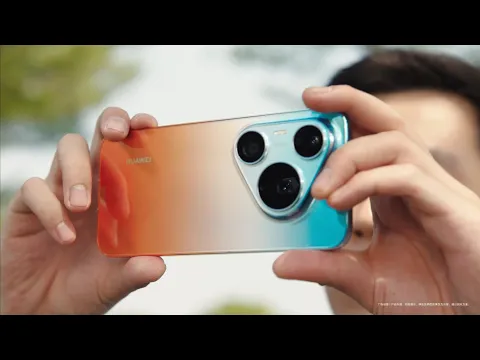
The portrait direction feature is the most striking novelty, but the Pura 90 Pro Max comes with a technical set that supports Huawei’s ambition. The 1-inch main sensor is one of the largest ever placed in a smartphone, capturing more light and more details than smaller sensors found in most competitors. The 200-megapixel periscope telephoto lens allows for up to 20x zoom in video, a capability that brings the phone closer to dedicated cameras.
This hardware is not a coincidence. For the pose direction to work accurately, Huawei needs a camera system that captures detailed information about the scene in real-time, including depth, directional lighting, and the three-dimensional position of the subject. The 1-inch sensor and the 200-megapixel telephoto lens provide the raw data that the artificial intelligence processes to generate the suggestions. The hardware and software of Huawei’s phone were designed as an integrated system, not as independent components.
What Huawei’s artificial intelligence direction means for photography

The change that Huawei introduces with the Pura 90 Pro Max goes beyond a camera function. When the device starts to guide how the subject should position themselves, it enters a territory that previously relied on human reading, physical presence, and personal interaction between photographer and subject. Visual briefing, expression reading, posture adjustment, and corrections at the moment of capture now have an algorithmic mediation that did not exist before.
For professional photographers, the issue is structural. What Huawei is coding is precisely one of the core competencies of photographic work: direction. If the smartphone takes on part of this function, the value that the professional adds shifts to what artificial intelligence still cannot do, such as the emotional reading of the person being photographed, the decision about what should not enter the frame, and the understanding of the context in which the image will be used. Huawei does not eliminate the photographer but redefines what makes a photographer irreplaceable.
Huawei is going to launch a phone that tells you how to pose for the photo using artificial intelligence. Would you use such a function or do you prefer to pose your way? Do you think this threatens the work of photographers? Leave your opinion in the comments.





