Portuguese
  Spanish


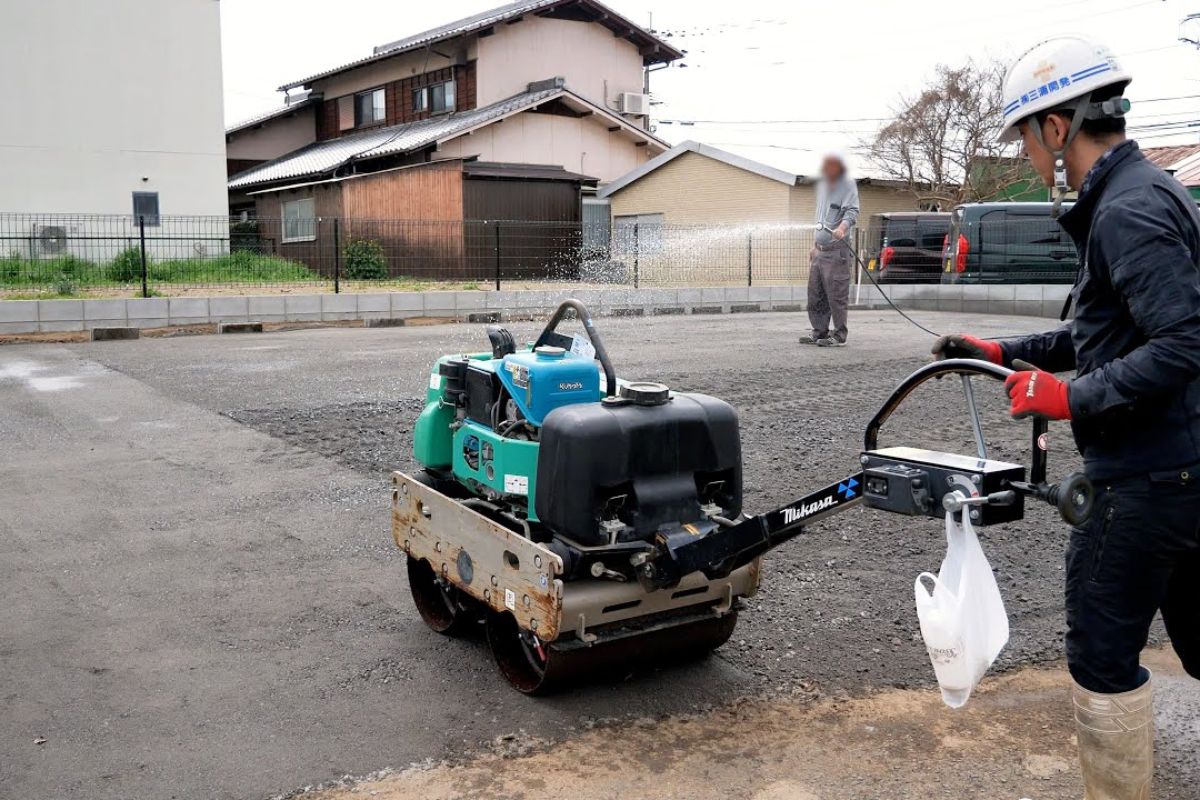


In An Unmaintained Earthen Parking Lot, Japanese Removed Excess Soil, Leveled The Area, And Applied Katama SP, A Paving Material That Hardens Upon Receiving Water And Repeated Compaction, Delivering A Firm Floor In Just Three Hours And Ending The Cycle Of Mud In The Rain And Dust In The Sun Today.
The routine of an unmaintained earthen parking lot changed when Japanese decided to intervene with a quick execution method focused on results: replacing mud in the rain and dust in the sun with firm flooring completed in three hours. The target was a parking lot that practically offered no predictability of use.
The project was described as a short and objective sequence: remove unnecessary soil, perform leveling work, receive the delivery of the paving material, spread the paving material, proceed to water spraying and compaction, and finally, allow the hardening to occur properly. At the heart of this logic is Katama SP, defined as a paving material that hardens with water.
The Diagnosis Of The Parking Lot That Turned To Mud And Dust

The starting point was an unmaintained earthen parking lot.
-
72 m² Prefabricated Home Arrives in a Container and Assembles in About an Hour

-
Brazilian Architect Patents Styrofoam House 20% Cheaper, Maintains 23°C Year-Round; Client Builds 280 Meters of Wall in 40 Days

-
Roof Tile Made from Recycled Milk Cartons Lasts 100 Years, Supports Over 150 kg per Square Meter, and is Produced in Brazil’s Passo Fundo Factory
-
Affordable Housing Project in Brazil’s Mato Grosso Aims for 700 Deliveries and $34 Million in 2026, Outpacing Major Developers in High-Demand Areas


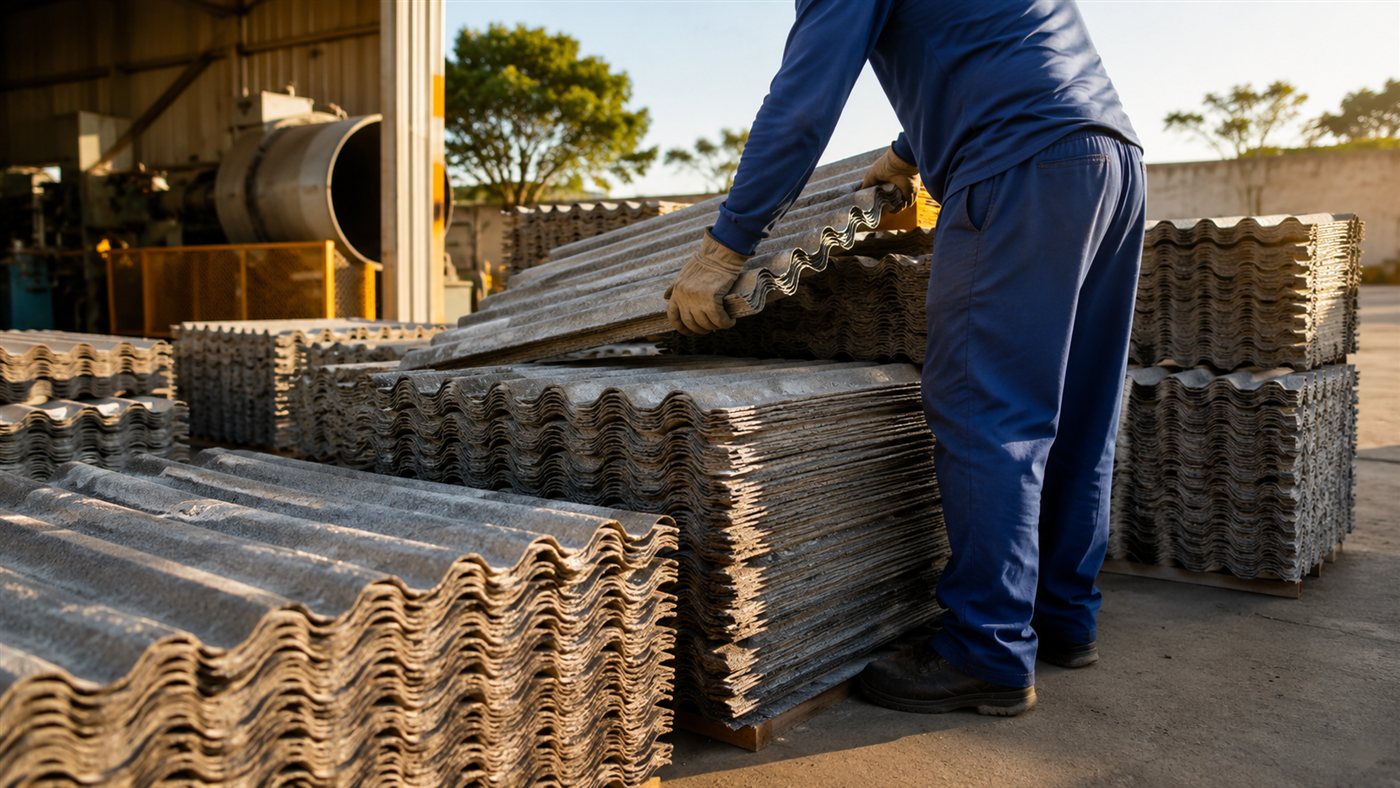

On rainy days, the parking lot became muddy; on sunny days, it stirred up dust and made usage difficult.
The problem was not aesthetic, it was operational, because access and permanence varied according to the weather.
The Japanese proposal was to treat this parking lot as an urban infrastructure case requiring a quick response: a short intervention, with repeatable steps and verifiable results at the end.
The promise of three hours serves as a delivery parameter, not as a decorative detail.
Katama SP, Paving Material And The Logic Of Hardening With Water

The paving material used received a name: Katama SP.
The highlighted characteristic in the report is straightforward: Katama SP hardens simply by pouring water over it and compacting it.
Instead of relying on a long curing sequence and layers, the method relies on water and compaction as stability triggers.
In the comparison presented, this paving material significantly reduces the use of machines and labor time compared to conventional paving materials.
The mentioned consequence is that it makes construction possible at low cost and in a short time, without turning the parking lot into a prolonged construction site.
How The Work Was Organized To Fit In Three Hours

The description begins with the removal of unnecessary soil and leveling of the land.
This leveling work prepares the parking lot to receive a uniform layer of paving material, avoiding high and low spots that would concentrate water or dust.
Next, the paving material was delivered.
With the material on-site, the paving material was spread, followed by adjustment and new leveling.
The final step is the technical cycle that appears as the heart of the method: water and compaction, repeated several times until the material was completely hardened and the parking lot presented a firm floor.
Where The Process Ends And The Use Of The Parking Lot Begins
The project describes a simple closure criterion: the construction is considered complete when the material is fully hardened.
The before and after is the very metric, because the routine of the parking lot ceases to be dictated by mud in the rain and dust in the sun.
By insisting on water and compaction as reiterated steps, the Japanese reinforce that the result does not depend on a single gesture, but on controlled repetition.
Katama SP thus appears as a paving material designed to accelerate this transition from loose soil to firm flooring.
What The Case Suggests For Quick Solutions For Urban Infrastructure
The presented conclusion is pragmatic: the unpaved parking lot was transformed into a comfortable parking lot, allowing usage with peace of mind, without concern for mud or dust.
For urban infrastructure, this poses a hypothesis: when the goal is to eliminate mud and dust quickly, a short project based on paving material that hardens with water could become a responsive alternative.
The discussion, however, is not just about speed.
It involves deciding where this type of solution makes sense, how to organize leveling work, delivery of paving material, and cycles of water and compaction, and what criteria to use to declare the parking lot ready for use.
In your city, should an earthen parking lot that turns to mud and dust test a solution in three hours like the Japanese with Katama SP and paving material that hardens with water?