Portuguese
  Spanish


With 600 Km of Range and Charging in 40 Minutes, the Unprecedented Volvo FH Aero May Mark the Beginning of the End for Diesel Trucks.
Volvo Trucks has announced the FH Aero Electric, a 100% electric heavy-duty truck with an impressive range of 600 km and a charging capacity of 20% to 80% in just 40 minutes — enough time to take advantage of the legal break for drivers in Europe.
The brand bets on the combination of electronic axle (e-axle) and optimized space for up to eight batteries, totaling up to 780 kWh of onboard energy. The result? Increased range and payload capacity that rivals diesel trucks — able to reach up to 48 tons of GCW with a 6×2 configuration.
Powerful Charging During Driver’s Rest
Equipped to support the new MCS (Megawatt Charging System) standard, the FH Aero Electric charges its batteries in about 40 minutes — fitting perfectly into the legal rest break for drivers in the European Union. This means more efficiency on routes without compromising productivity.
-
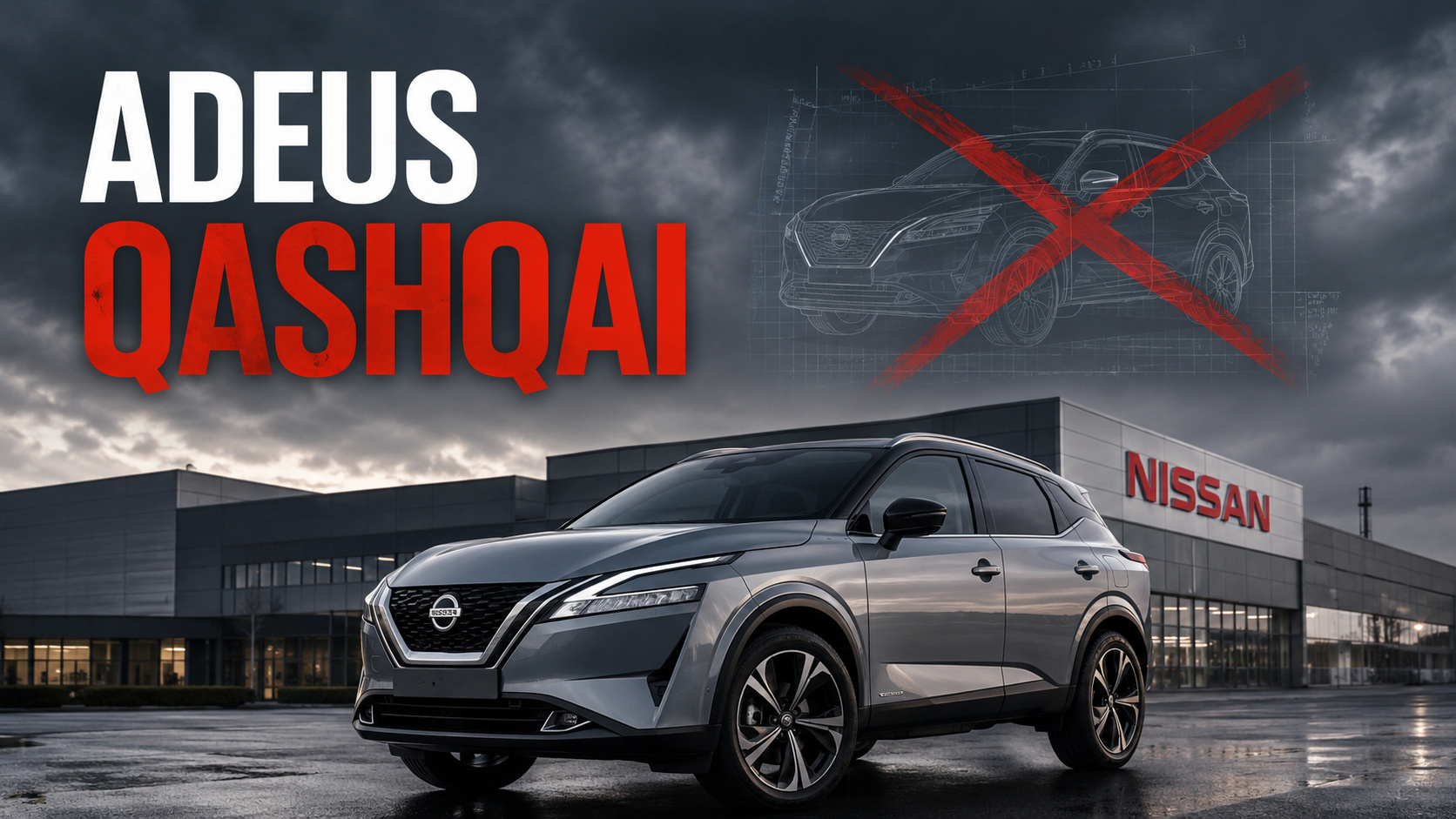
Nissan Discontinues Qashqai SUV Amid Cost-Cutting, Chinese Competition, and Product Line Review

-
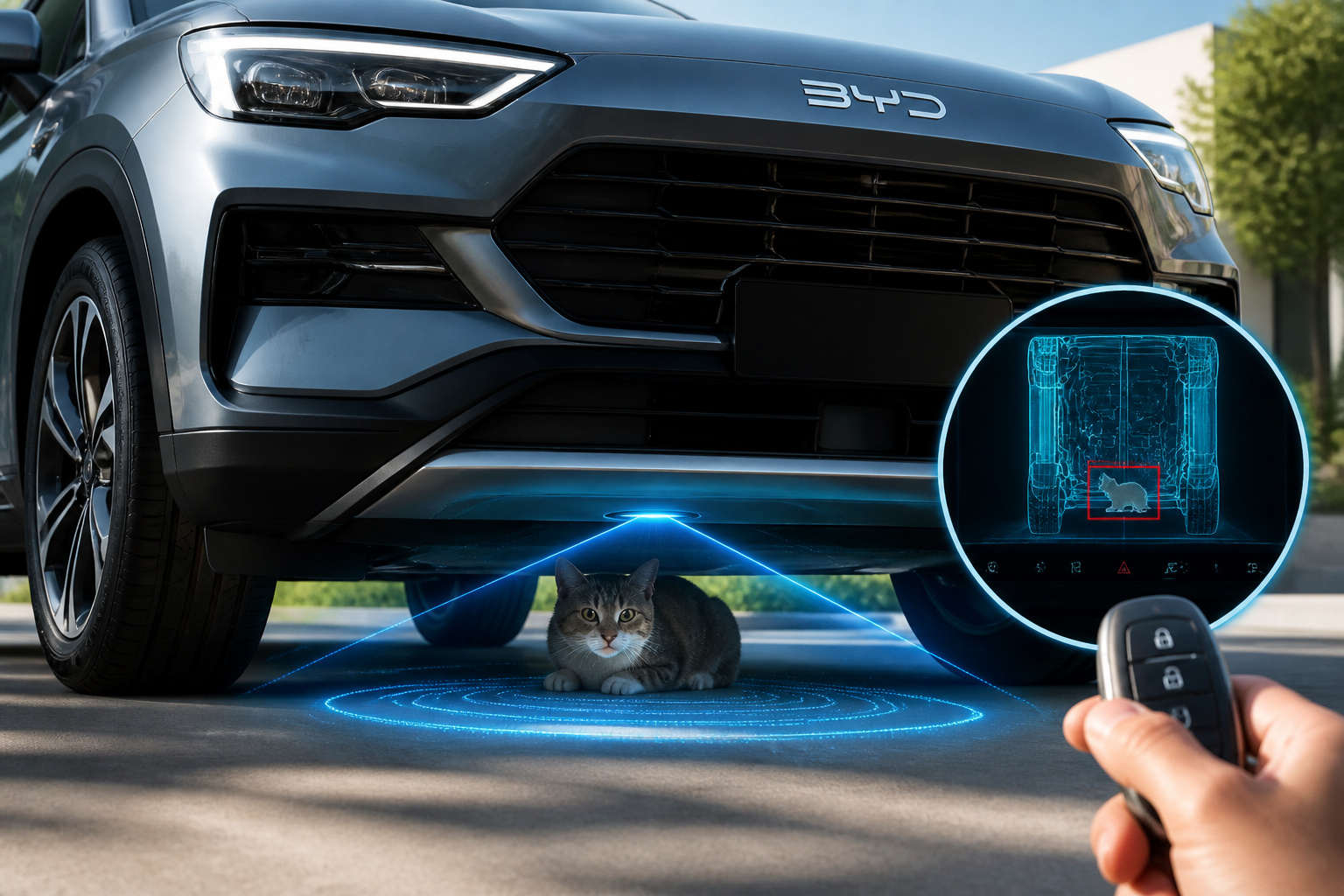
BYD Patents Revolutionary System Using Computer Vision to Detect Animals Under Cars Before Starting, Preventing Tragedies

-
Study Reveals Why Cars Are More Expensive to Produce and Buy in Brazil Compared to Mexico, Highlighting Taxes, Logistics, and Industrial Costs as Key Factors.
-
Toyota to Open New Factory in Brazil by November 2026 with $2.2 Billion Investment, Creating 2,000 Jobs, and Ending Corolla Production in Indaiatuba



Heavy Loads and Long Routes Without Compromising Performance
With the electric axle technology and the extra battery, Volvo ensures capacity comparable to diesel heavy-duty trucks. According to Roger Alm, president of Volvo Trucks, this model allows for genuinely long routes with zero emissions without loss of productivity, thanks to fast charging and high payload.
The FH Aero Electric joins a lineup that already includes eight electric models from Volvo — which has delivered more than 5,000 electric trucks in 50 countries since 2019. The ambitious goal? Net zero emissions by 2040, through batteries, fuel cells, and renewable fuels.
What’s Next
- Start of sales and letter of intent in Q2 2026, with early deliveries for interested customers.
- It will be crucial to monitor the adoption of the MCS standard in road infrastructure and assess the impact of pricing.
This is a real leap in long-distance electric transport — promising to transform the market without sacrificing efficiency. And you, do you already have an idea of what its price will be?