Portuguese
  Spanish


Escalation in the Middle East affects global agricultural input chains, pressures costs, and raises an alert about food security in various vulnerable regions of the planet
The information was released by “BBC”, based on statements by Yara CEO Svein Tore Holsether, and reveals a worrying scenario for the future of global food production. Amid escalating tensions in the Gulf, the blockade of maritime transport through the Strait of Hormuz is already beginning to have direct effects on fertilizer supply, impacting global agribusiness.
Experts are already warning that this is not just a regional problem. On the contrary, it is a systemic risk that could compromise billions of meals around the world, mainly affecting economically vulnerable countries.
Lack of fertilizers can cut production and generate a global food crisis
First, it is essential to understand the dimension of the problem. According to Holsether, about half a million tons of nitrogen fertilizers have ceased to be produced globally due to the conflict involving Iran. This number, although it seems technical, has direct consequences on people’s lives.
-
Brazilian Farmer Invents Low-Cost Tractor Using Motorcycle Parts, Efficiently Working 2 Acres on 1 Liter of Diesel

-
Regenerative Farmers Use Keyline Plow to Improve Pasture Hydration, Storing 1 Gallon of Water Every 30 Centimeters

-
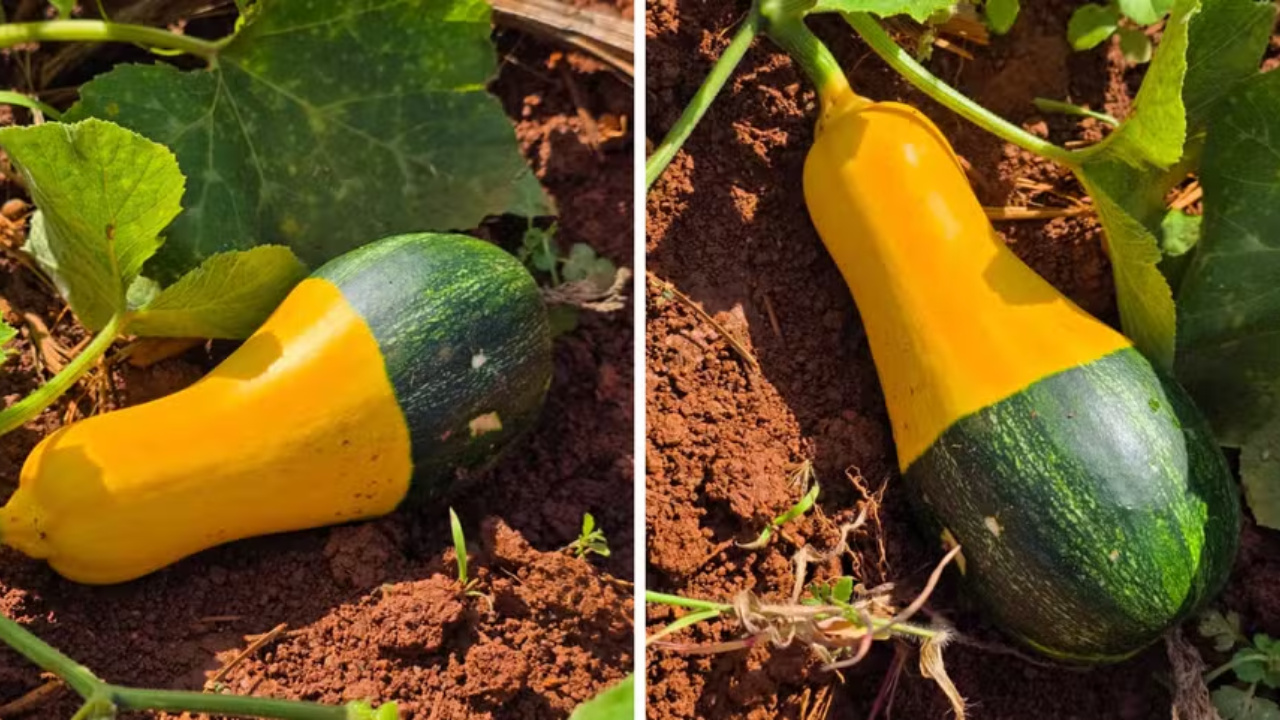
Bicolor Pumpkin Resembling Hand-Painted Art Discovered by Brazilian Researchers in the Capital Due to “Spontaneous Mutation”

-
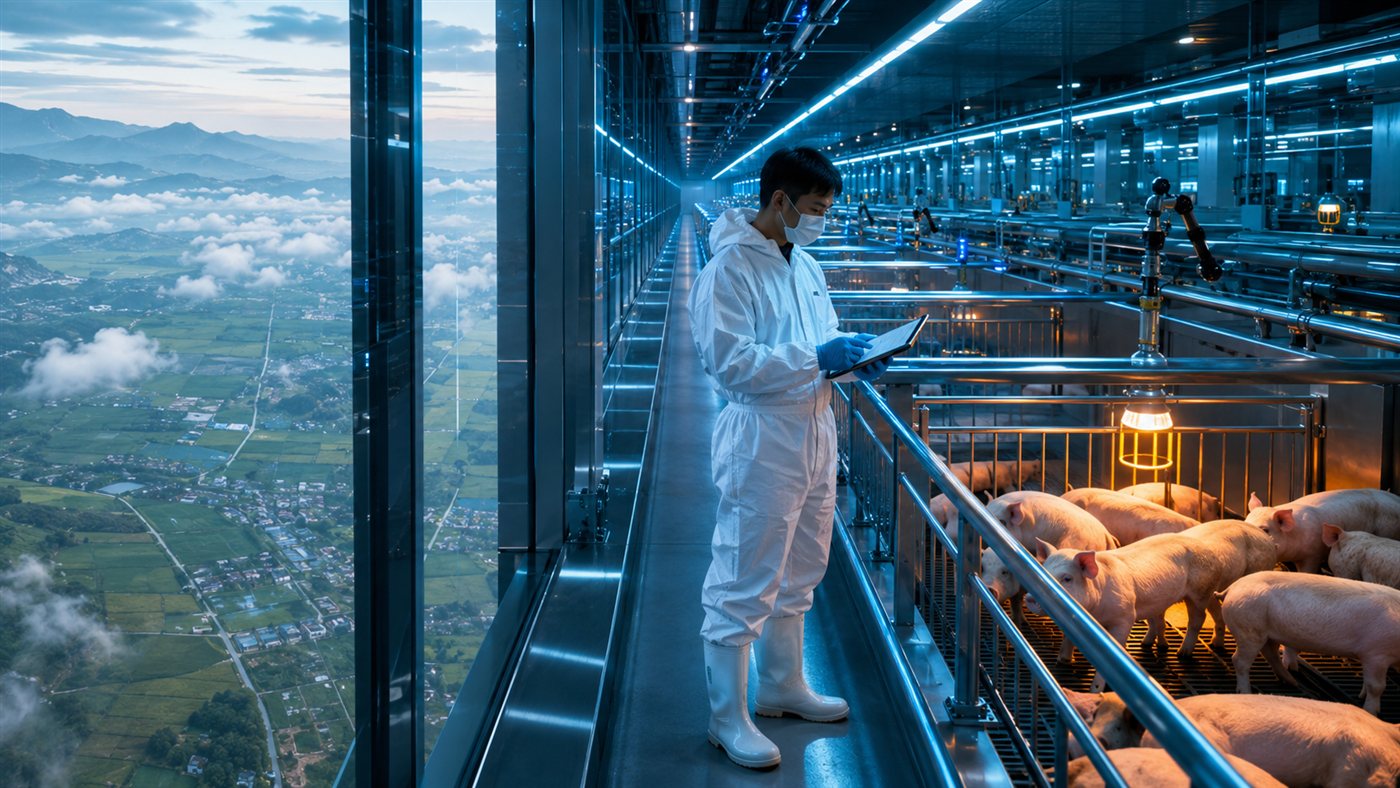
In China, a 26-story building produces 1.2 million pigs annually, revolutionizing livestock farming with tube feeding and AI surveillance.


Practically, this could result in up to 10 billion fewer meals per week, an alarming figure that highlights the direct impact of fertilizer scarcity on global agricultural production.
Furthermore, the absence of nitrogen fertilizer can reduce the productivity of some crops by up to 50% already in the first harvest, which further increases concern. Consequently, this drop in production could trigger a global food dispute, pressuring prices and exacerbating inequalities.
Meanwhile, regions such as Asia, Southeast Asia, Africa, and Latin America appear to be the most exposed to immediate impacts, as they heavily rely on the global supply of these agricultural inputs.
Energy, logistics, and war raise prices and pressure producers
On the other hand, the scenario is not limited to production alone. The cost for farmers is also increasing significantly. According to the Yara executive, producers face a dangerous combination of factors: rising energy prices, increased diesel used in tractors, and a generalized rise in agricultural inputs.
At the same time, fertilizer prices have already risen by about 80% since the beginning of the war involving the United States, Israel, and Iran, further pressuring agricultural sector margins.
However, there is an additional problem: agricultural commodity prices have not yet kept pace with this cost increase in the same proportion. In other words, producers are paying more to produce but cannot fully pass on this cost to the final consumer.
Furthermore, about one-third of global fertilizers, including urea, potash, ammonia, and phosphates, typically pass through the Strait of Hormuz. Therefore, any interruption in this route directly impacts global supply, exacerbating the imbalance between supply and demand.
Poorer countries are expected to feel the effects first
While wealthier countries can absorb part of the impact, the situation is even more delicate in developing nations. According to Holsether, there is a real risk that a food dispute will emerge between countries with greater purchasing power and those that cannot compete.
In this context, regions such as sub-Saharan Africa, where under-fertilization already exists, may experience even more significant drops in agricultural production. As a result, food insecurity is likely to grow rapidly.
Furthermore, projections indicate that the crisis may intensify over time. According to the UN World Food Programme, up to 45 million people could be driven to acute hunger by 2026 due to the combined effects of the conflict.
In Asia and the Pacific, food insecurity could grow by 24%, representing the largest relative increase among all regions worldwide.
Meanwhile, in the United Kingdom, food inflation could reach 10% in December, according to the Food and Drink Federation. The Bank of England, on the other hand, estimates an increase of 4.6% in September, with a tendency to accelerate until the end of the year.
Therefore, even in countries with greater economic stability, the impacts are expected to appear on supermarket shelves in the coming months.
Do you believe this global fertilizer crisis could generate a new world food crisis or will the market still manage to balance itself?