






 Portuguese
  Spanish


Zeg Ambiental Introduces Technology Capable of Recycling and Generating Renewable Energy Using Waste
Zeg Ambiental has created a reactor that can recycle and recover renewable energy from urban and industrial waste. The technology is named FlashBox and has the capacity to generate 1 to 2 MW of energy per ton of processed waste, representing a significant innovation in the market.
Read Also
FlashBox – Discover in Detail the Technology That Transforms Waste into Renewable Energy


A study conducted by the company itself confirmed that countries with higher Human Development Index (HDI) are the top recoverers of renewable energy from urban waste, with the highest recycling rates. In Brazil, 96% of municipalities have fewer than 100,000 inhabitants and generate about 100 tons of urban waste daily, which does not provide an economic and technical scale for WTE projects.
The same study revealed that Brazil has 3,000 open landfills with no regard for the environment. In this Brazilian scenario, Zeg’s CEO, André Tchernobilsky, decided to develop his own technology, an anaerobic gasification reactor installed in a 40-foot container with an interior heated above 1000ºC.
-
Brazilian scientists are simultaneously advancing two research projects on clean hydrogen and driving solutions that could transform the energy matrix, enhance industrial competitiveness, and accelerate large-scale emission reduction targets.

-
Advancement in renewable energy: A R$ 150 million project launched by Petrobras and Finep aims to create state-of-the-art electrolyzers for green hydrogen, strengthening national research and preparing Brazil to compete in a billion-dollar energy market.
-
Illiterate or semi-literate grandmothers were trained to repair solar systems, open rural workshops, and light up homes that still depended on kerosene.
-
The world has bet on green hydrogen as the fuel of the future, but now faces the side effect: producing 1 kilogram requires about 9 liters of ultrapure water, and the largest projects on the planet are precisely in the driest regions of the Earth, where water is already scarce for people.




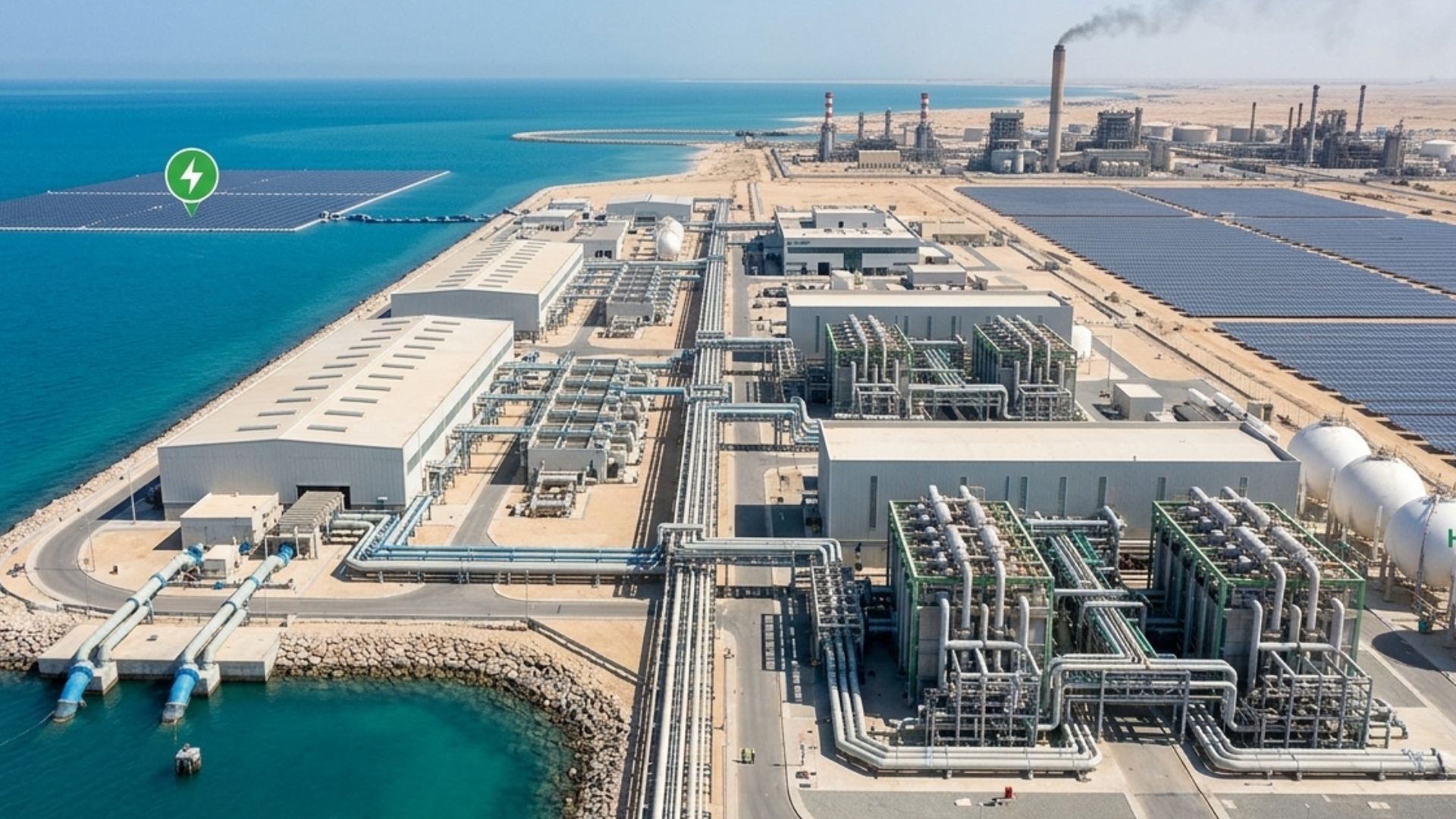
The FlashBox does in seconds what nature would take millions of years to accomplish, which is to convert organic matter into energy. It is a complete and effective solution for achieving the conversion of urban waste into renewable energy. Zeg Ambiental’s CEO assures that the technology can serve 96% of the Brazilian market, both for cities and for industries looking to reclaim their urban and production waste.
Zeg Ambiental Complies with National Solid Waste Policy
Zeg’s new technology aligns with the national solid waste policy, which was implemented in Brazil in 2010 but lacked effectiveness. According to the guidelines, before burying urban waste, all municipalities must recycle it.
The CEO emphasizes that, in this legal context, the 2020 Environmental Sanitation Framework is also in focus, wherein all mayors will have until this August to resolve the problem of urban waste in their cities. The reactors are installed after undergoing a bidding process in municipalities showing interest or through a Public-Private Partnership (PPP).
Upon completing this phase, the project is installed with a fee charged on the waste, which is much lower than what the municipality currently pays. The installation takes 8 to 12 months, and contracts vary between 20 and 30 years. According to André, the company can generate 1 to 2 MW per ton of recycled urban waste and can serve any municipality with a population of over 12 residents.
Meet ZEG Ambiental
Zero Emission Generation (ZEG Ambiental) aims to reduce environmental impacts caused by the use of fossil fuels in the global energy matrix by consistently investing in innovative technologies for the market.
The company was founded with the mission to actively participate in the sustainability process by utilizing know-how to identify opportunities for renewable projects, bringing cost reductions to companies.










Be the first to react!