





 Portuguese
  English
  Spanish
  2 min of reading


The Technological Duel Between Electric Vehicles and Those Powered by Ethanol Generates Complexity in the Automotive Sector: An Expert Offers a Strategic Vision
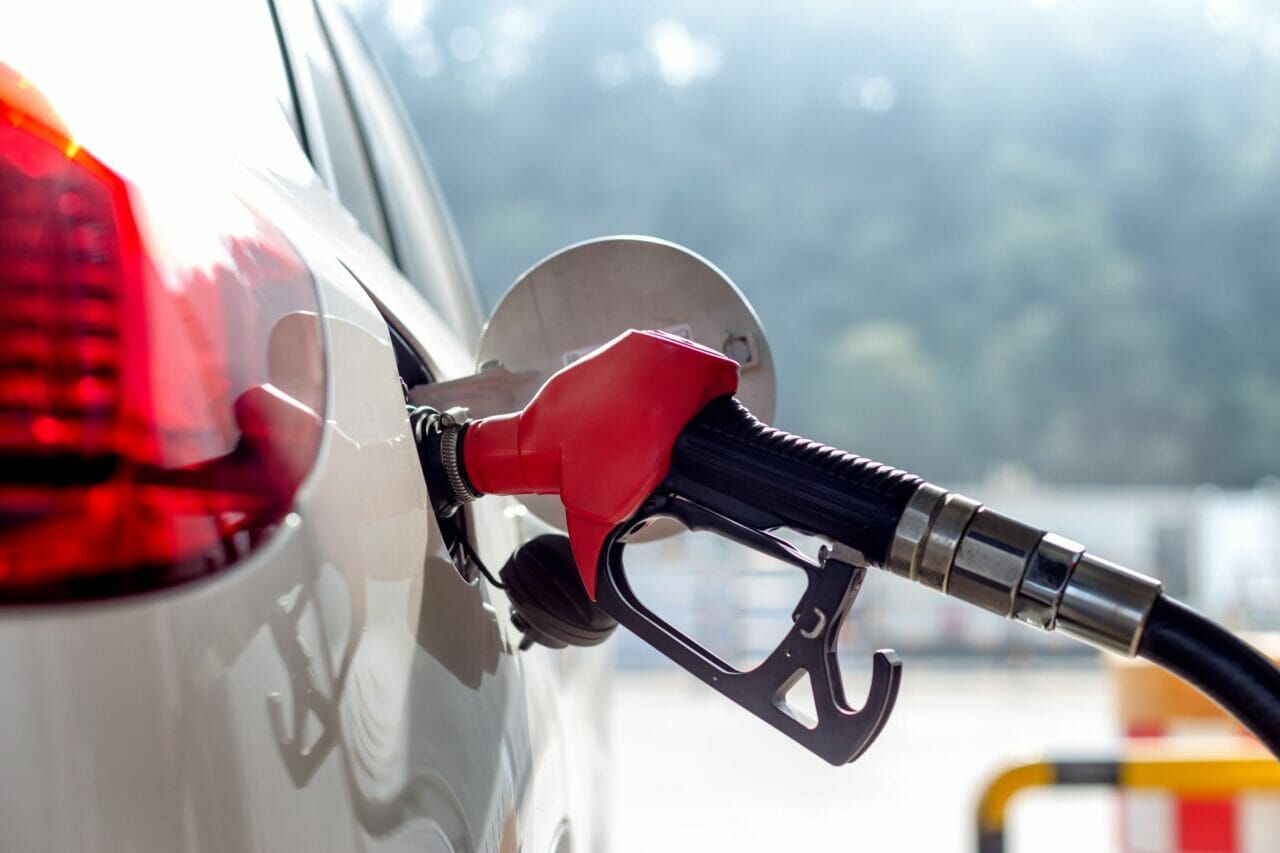
The clash between electric cars and those powered by ethanol has intensified in the current scenario. The production of ethanol from corn, for example, has increased by about 800% in five years, according to the National Confederation of Industry. Although Brazil is noted for utilizing natural resources for ethanol production, the challenges and disadvantages of these vehicles are undeniable. To better understand this impasse, it is essential to hear the opinion of an expert on the subject.
The Obstacles of Ethanol: From History to the Present
Jean Albino, a professional in the energy sector for three decades and an investor in the energy solutions startup Lead Energy, argues that producing ethanol from corn is not an absolute solution. Jean recalls the ethanol shortages at gas stations in the 1980s, caused by the choice of mills to produce sugar, a more profitable alternative at the time. He also points out the low range of vehicles powered by this fuel as a factor that may discourage consumers.
Regarding traditional gasoline-powered cars, Jean completely dismisses them as a viable alternative. According to him, “Combustion vehicles are noisy and polluting. Although they have more complex engines to produce, they have established technology, which lowers production costs.” However, when comparing them to electric cars, the expert emphasizes the main obstacle for these vehicles to become dominant in the market: the cost of batteries.
-
Bill Gates is called to explain contacts with Jeffrey Epstein in a closed-door deposition that may reveal behind-the-scenes details of one of the most sensitive investigations in the US.

-
Coca-Cola prepares a mega-operation in Brazil with 11 factories and 53 distribution centers to turn the 2026 World Cup into a billion-dollar consumption race.
-
Electrolux emerged from a Swedish merger in 1919 and conquered homes worldwide with innovative refrigerators, stoves, and washing machines.
-
Electrolux reveals how Brazilian design crossed borders, reached Europe and the USA, and began to influence more efficient appliances worldwide.


Electric vs. Environmentalism: The Battery Dilemma
Electric cars present significant challenges in the current scenario. Battery production involves mineral extraction, a polluting process that requires an industry responsible for waste disposal and reuse. Furthermore, the expert highlights other issues related to the structure of electric cars: “In their initial phase, electric models are heavier due to the batteries. This implies heavier tires, brakes, and suspensions and, consequently, higher costs. Charging time and the availability of charging points are also problematic aspects.”
While some countries seek to eliminate the production of cars that emit carbon dioxide, in Brazil, the exclusion of polluting cars is not viable in the short term. However, Jean proposes a strategic solution: “Brazil needs to recognize the strategic importance of ethanol and encourage its consumption, overcoming the trauma of scarcity in the 1980s. The best alternative for the future would be hybrid vehicles powered by electricity and ethanol. Over time, the cost of charging will become cheaper, increasing the range of vehicles, providing more safety to drivers and less pollution to nature.”





Be the first to react!