






 Portuguese
  Spanish


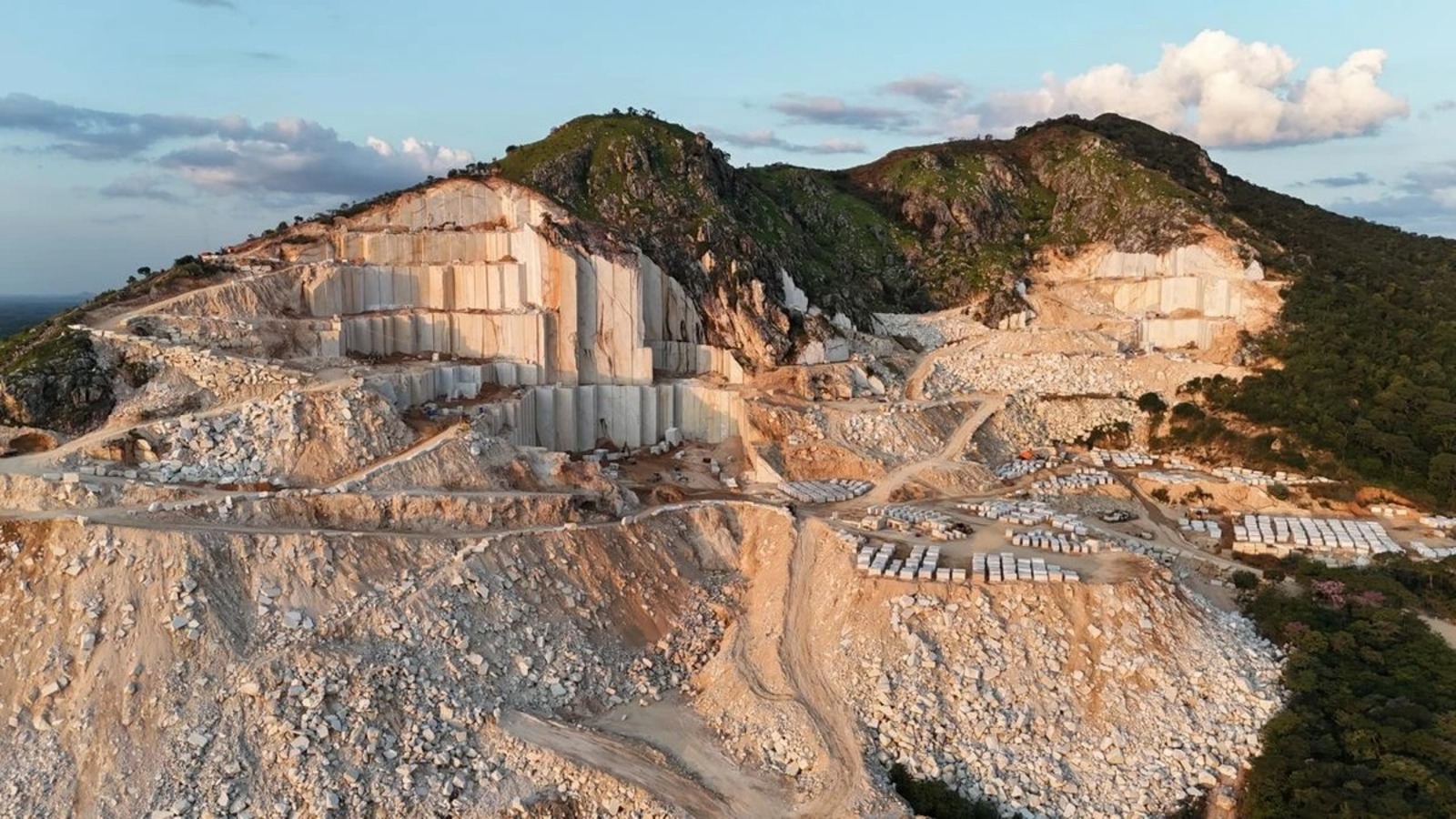


From Sobral to the World: The Taj Mahal Quartzite, Extracted by Vermont Mining, Became a Symbol of Luxury and Resilience, Generating R$ 675 Million and Dominating the International Natural Stone Market Between 2023 and 2024
Vermont Mining, founded in 2005 in Sobral, Ceará, gained international prominence by exploiting one of the most coveted stones in the market: the Taj Mahal quartzite. The exclusive deposit is located in Uruoca, about 300 kilometers from Fortaleza, and has become synonymous with quality and luxury in civil construction.
Most of the extracted blocks are processed in Espírito Santo, which concentrates approximately 80% of the national ornamental stone industry.
Between 2023 and 2024 alone, the Taj Mahal generated around US$ 125.7 million, equivalent to R$ 675 million at the current exchange rate.
-
France Revamps 530 Social Housing Units with Large Balconies and Glass Facades Without Demolishing Existing Buildings

-
10-Year-Old Max Makes History with Paris Fashion Show, Launches Own Brand, Hires Staff, and Sets World Record as Youngest Runway Designer

-
Bolivian Female Construction Workers Form Association to Combat Discrimination and 38% Pay Gap in the Industry
-
Near Amsterdam, residents buy land and discover they must also build streets, manage drainage, handle waste, and grow food on half their plot.




Tariff-Exempt Stone and Export Champion
In recent months, the scenario has become even more favorable. The Taj Mahal quartzite is the only type of Brazilian stone exempt from tariffs imposed by the United States on exports.
This competitive advantage has boosted demand—especially since the North American country accounts for over 60% of Brazil’s sales in this sector.
With the increase in demand, the Ceará material has solidified its position as the absolute leader in the natural stone market, keeping Vermont at the forefront of exports.
From Discovery to Global Exclusivity
The discovery of the quartzite occurred in 2009, but it was between 2011 and 2012 that it conquered the international market.
In 2013, Vermont’s owner, Jorge Jordão, established exclusive marketing agreements with nine renowned companies: Zucchi, Antolini, Favorita, Thor Granitos, Stoneval, Marmi Orobici, Testi do Brasil, Bruno Lucchetti, and Argos.
The streamlined operating model—in which Vermont sells only raw blocks—ensured agility and global reach for the product, which began to circulate in major luxury projects.
Resilience, Beauty, and Production Expansion
“It has beauty, of course, but the differential is in its resilience. It is very difficult to break, so it doesn’t give headaches to the customer,” stated Cássio Jefferson, the company’s director.
According to him, the United States absorbs 60% of all Taj Mahal production, followed by China and Italy, which have also increased their purchases.
To meet the growing demand, Vermont invested R$ 25 million between 2024 and 2025 in expanding its extraction capacity, currently at 4,800 m³ per month.
The goal is to reach 7,000 m³ in two years, with an additional investment of R$ 30 million.
Expansion in Other States
In addition to the deposit in Uruoca, Vermont maintains over 30 mining operations distributed among Ceará, Bahia, São Paulo, and Piauí—solidifying its position as one of the largest references in the sector in the country.
With information from A Gazeta.








