Portuguese
  Spanish


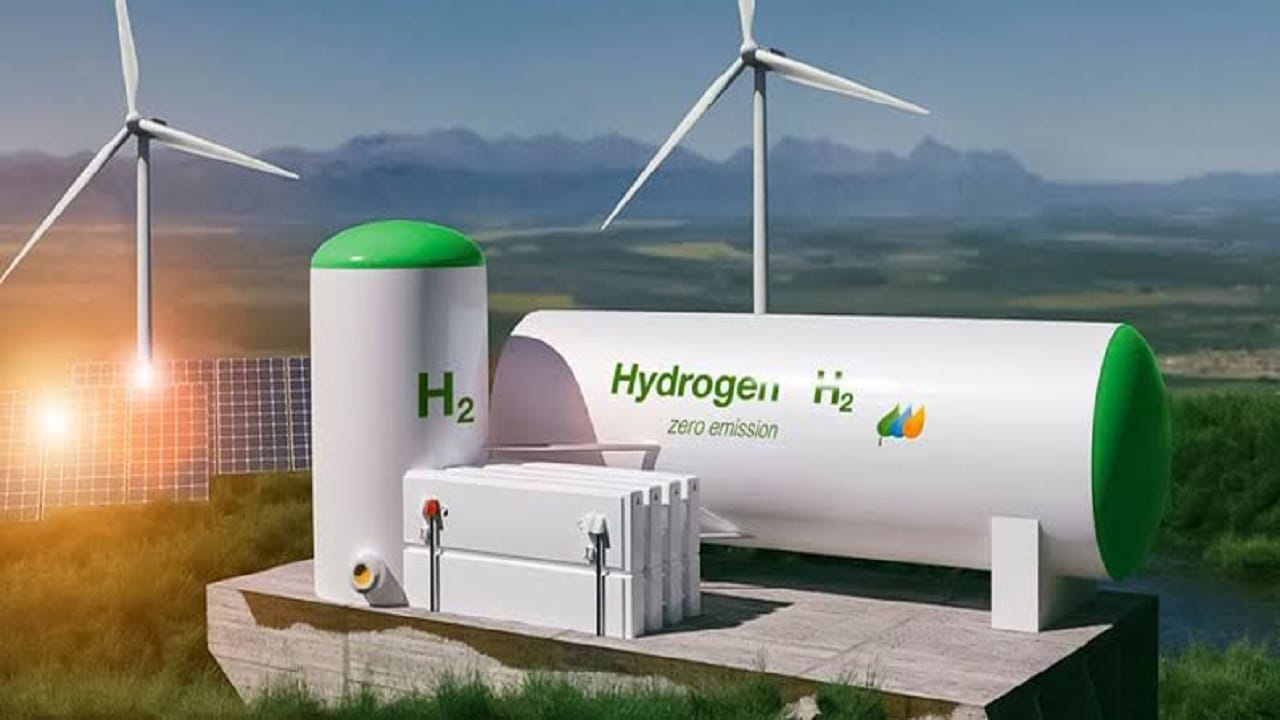

Brazil Explores Alternatives To Expand The Use Of Clean Fuels, Such As Green Hydrogen And Corn Ethanol, Reducing Dependence On Fossil Fuels.
The seminar “Clean Energy: The Energy Transition In Brazil”, which was held by Folha, highlighted the importance of various sources of clean energy for the Brazilian energy transition. Green hydrogen, corn ethanol, and sustainable aviation fuel (SAF) were discussed in the event’s third panel as possible solutions to fossil fuels.
Green Hydrogen And Corn Ethanol Are Presented As Promising Solutions
According to Petrobras’ Director of Energy Transition and Sustainability, Maurício Tolmaquim, electricity generated from renewable sources is seen as crucial to eliminating fossil fuels and for global decarbonization.
The executive also emphasized that Petrobras plans to invest in wind energy, onshore solar, and biofuels, such as renewable diesel, in the short term. However, he noted that, in the medium term, green hydrogen is an excellent alternative, especially for sectors such as petrochemical, refining, steel, and fertilizers.
-
Brazil Aims to Become a Global Exporter of Green Hydrogen, the Clean Fuel Set to Generate Billions

-
Brazil to Hold First Offshore Wind Energy Auction, Aiming to Become the Country’s New Hydropower
-
Brazil to Hold First Auction for Batteries to Store Solar and Wind Energy from the Northeast
-
Brazilian scientists are simultaneously advancing two research projects on clean hydrogen and driving solutions that could transform the energy matrix, enhance industrial competitiveness, and accelerate large-scale emission reduction targets.





Former senator Katia Abreu highlighted the importance of corn ethanol, emphasizing its advantages, such as year-round production and the use of distillers dried grains (DDG) in animal feed.
Abreu also mentioned that Brazilian agribusiness has grown with the support of subsidies, but cautioned about the need to ensure economic health and avoid negative impacts on other sectors.
The Director-General of the National Electric Energy Agency (Aneel), Sandoval Neto, mentioned the need to rethink energy sector subsidies, pointing to energy tariff costs as a discouraging factor for the industry in the country.
Patricia Ellen, co-founder of AYA Earth Partners, highlighted Brazil’s opportunity to lead the energy transition, moving away from fossil fuels, mentioning the potential of corn ethanol, SAF, and green hydrogen.
Corn Ethanol In Brazil
The former president of companies like Light and Sabesp, Jerson Kelman, addressed governance issues in the electricity sector and the influence of lobbyists on decisions in the National Congress. Kelman emphasized the need to regain leadership in the energy sector and rethink public policies perpetuated by sectorial interests.
The debate provided a comprehensive view of the challenges and opportunities associated with the transition to a future without fossil fuels in Brazil, highlighting the importance of diverse sources to achieve energy sustainability.
It is important to note that, according to data from the National Union Of Corn Ethanol (Unem) as of October 2023, corn ethanol production is expected to reach 6 billion liters in 2024, an increase of 36% from the 2022/2023 cycle and of 800% over the last five years. The growth in production capacity is mainly due to the expansion of the Brazilian industrial complex, with an increase in the number of plants, adoption of technologies, improving industrial yield, and greater international demand for biofuels.
Brazil Can Be A Major Power In Green Hydrogen
On the horizon of the global energy transition, Brazil emerges as a leader in green hydrogen production, the most promising alternative energy source. With vast solar and wind potential, as well as abundant water resources, the country is positioned to lead the generation of clean and efficient fuel, leaving fossil fuels behind.
Green hydrogen, obtained through water electrolysis using renewable sources like solar and wind energy, emerges as a solution to mitigate pollutant gas emissions.
In contrast to gray hydrogen, produced from non-renewable sources, green hydrogen is both an economically viable and environmentally sustainable alternative. Brazilian institutions, such as the Photovoltaic Solar Energy Laboratory at the Federal University of Santa Catarina (UFSC), are already working on developing technologies for green hydrogen production.