






 Portuguese
  Spanish


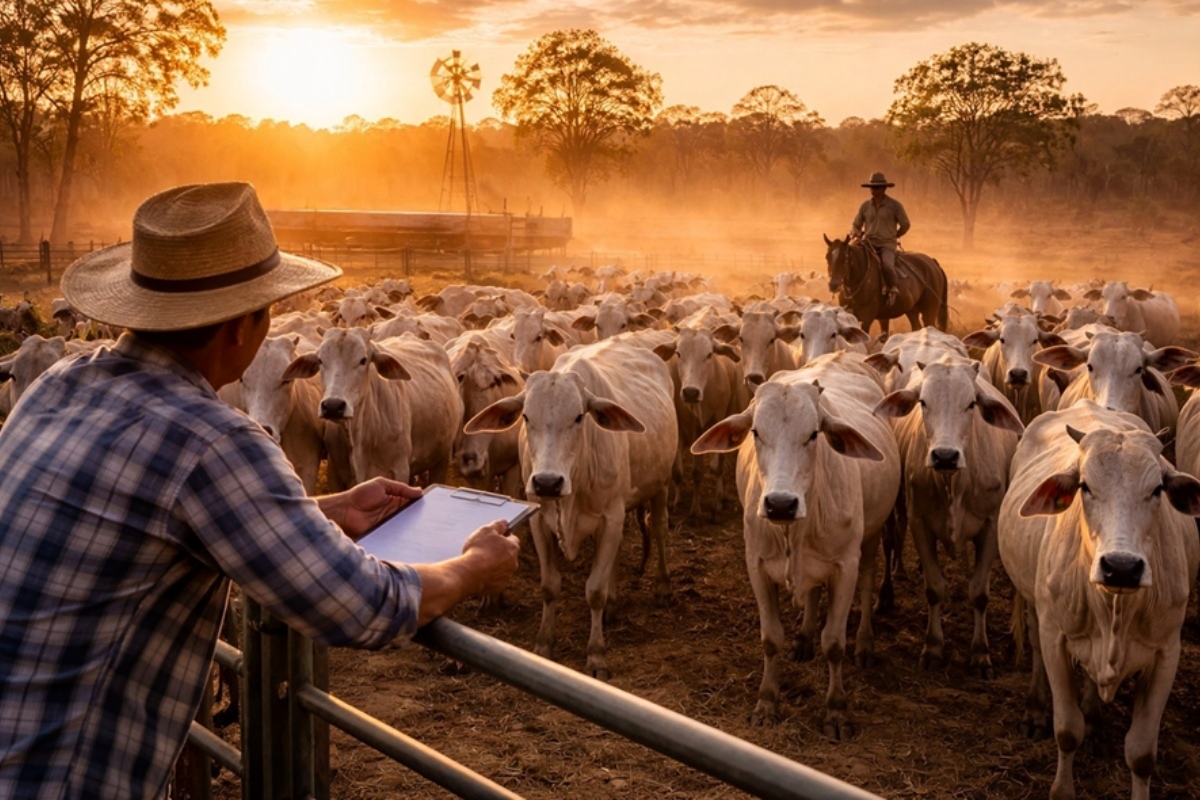

In Australia, Farmers Identify Climate Risks With US$ 94 Billion in Production, Adopt Adaptive Techniques to Protect Cattle, Crops and Supply Chains, and Alert Governments About Need for Immediate Investments in Infrastructure and Agricultural Policies
The first National Climate Risk Assessment of Australia points out that the agricultural sector is already feeling the impacts of rising temperatures, changes in growing seasons, and disruptions to supply chains. Producers highlight that while they are adapting, government support is urgently needed to maintain food production and protect rural communities.
The report shows that even heat-resistant cattle breeds, such as Brahman, are suffering from extreme temperatures, affecting productivity and animal welfare. Sunburn on fruits, poor pasture growth, and shorter growing seasons contribute to reducing the quantity and quality of available food.
The Australian agricultural sector, which contributes US$ 94 billion, sees itself as part of the solution but warns that it will need investments in infrastructure, technical assistance, and robust sectoral policies to face future challenges.
-
In Rural Brazil, José Sirval Operates a Water-Powered Mill Grinding 125 Kilograms of Corn Daily Using His Great-Grandfather’s Century-Old Monjolo

-
From Market Stall to Agribusiness: Patagonian Fruit Grower Owns 550 Hectares and Processes 18 Million Kilos of Pears and Apples Annually, Exporting Directly to Brazil
-
At 93, Brazilian Farmer Restores 56 Hectares of Forest and Revives Spring in the Amazon, Installs First Climate Tower in the Region
-
Brazilian Cheesemaker Wins European Award for Ant-Infused Cheese with Nutty Flavor Inspired by Indigenous Tradition


Thermal Stress and Direct Impact on Crops and Cattle
Extreme heat reduces crop productivity, hampers pasture growth, and causes stress in cattle. Fruits can suffer from sunburn, while crops that depend on cool nights face compromised flowering. The cascading effect threatens the health of farmworkers, food security, and the regional economy.
The National Climate Risk Assessment classifies the current risk to agriculture as moderate to high, potentially reaching very high by 2050, especially in northern regions of the country, such as Queensland, which hosts 18 of the 20 areas most exposed to heat.

Farmers Adapt Practices, But Call for Government Support
Producers like Shane McCarthy from AgForce Queensland highlight that farmers are already applying smart grazing methods and soil management that allow for carbon sequestration and increased resilience. However, he warns that public policies need to involve the industry from the outset, leveraging local knowledge.
Jo Sheppard from the Queensland Farmers’ Federation emphasizes that enhancements in soil management, irrigation, energy efficiency, and crop rotation should be supported with investments, so farmers can better prepare for extreme weather events.
Research, Technologies and Carbon Market as Allies
Data from satellites and pasture biomass modeling are already being tested in over 100 locations in Latin America and Africa, enabling producers to monitor in real-time where animals should graze to optimize forage and reduce methane emissions.
According to FAO, voluntary carbon markets can generate essential financing to support farmers in the transition to agroforestry systems and regenerative practices. The expectation is that these solutions will help mitigate emissions and increase sector resilience.
Investment in Biofuels as a Decarbonization Strategy
The Australian government announced a US$ 1.1 billion investment to accelerate the production of low-carbon liquid fuels made from canola, sorghum, sugar, and local waste. The goal is to replace fossil fuels in trucks, ships, and power plants, with the first production expected by 2029.
Dan Galligan from Canegrowers Queensland states that investment in biofuels will strengthen regional economies and help decarbonize agriculture, aligning energy production with food security.
Australia is already showing adaptation, but governments need to respond with long-term policies, investment in infrastructure, and technical support so that farmers can continue producing high-quality food while facing extreme heat and climate change.
Do you think the Australian governments are investing enough to protect the agricultural sector in the face of extreme heat and climate change? Share your opinion below!


