Portuguese
  Spanish



With a Focus on Strengthening Agriculture in Rio Grande do Sul, Mapa Distributed Backhoes to Ten Municipalities, Promoting Modernization and Rural Sustainability. The Investment Aims to Support Producers, Recover Roads, and Expand the Use of Technologies in the Field
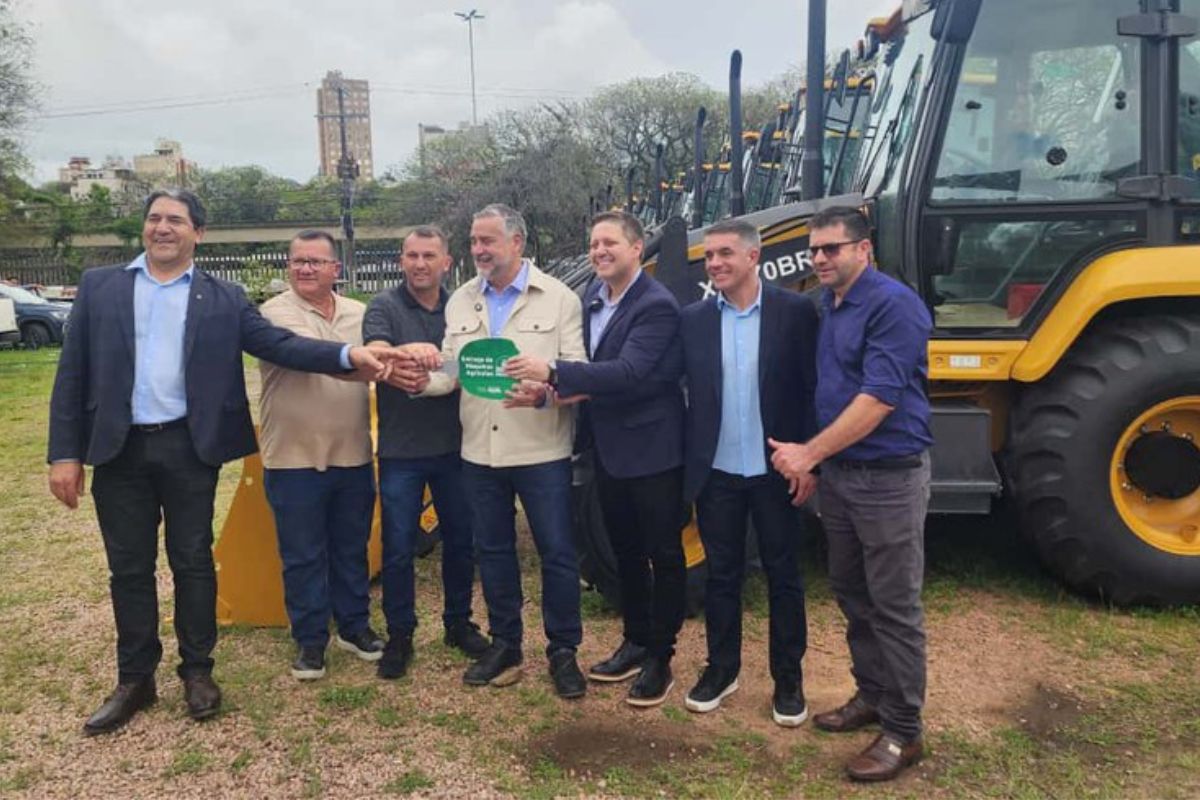
Agriculture in Rio Grande do Sul received an important boost with the delivery of ten backhoes to municipalities in the state, in an action by the Ministry of Agriculture and Livestock (Mapa), according to a report published.
The initiative, carried out by the Superintendency of Agriculture and Livestock in the State (SFA-RS), is part of the National Program for Agricultural Modernization and Support (Promaq).
In total, R$ 3.68 million was invested in this first stage, benefiting Bagé, Dilermando de Aguiar, Manoel Viana, Nova Santa Rita, Novo Cabrais, Pelotas, Piratini, Restinga Seca, Santa Bárbara do Sul, and Tabaí.
-
In Rural Brazil, José Sirval Operates a Water-Powered Mill Grinding 125 Kilograms of Corn Daily Using His Great-Grandfather’s Century-Old Monjolo

-
From Market Stall to Agribusiness: Patagonian Fruit Grower Owns 550 Hectares and Processes 18 Million Kilos of Pears and Apples Annually, Exporting Directly to Brazil
-
At 93, Brazilian Farmer Restores 56 Hectares of Forest and Revives Spring in the Amazon, Installs First Climate Tower in the Region
-
Brazilian Cheesemaker Wins European Award for Ant-Infused Cheese with Nutty Flavor Inspired by Indigenous Tradition


According to the superintendent José Cleber Souza, the project symbolizes the federal government’s commitment to the reconstruction and strengthening of the agricultural sector in the state.
Infrastructure for Small Properties and Strengthening Rural Roads in the State
The delivery of the machines marks a step forward in infrastructure for small rural properties and in the maintenance of local roads, essential for the transportation of production.
Each backhoe delivered will contribute to the recovery of access roads, channel cleaning, and support for family producers.
Deputy Paulo Pimenta highlighted Minister Carlos Fávaro’s agility in releasing the funds and emphasized that federal support has been constant since the recent challenges faced by Rio Grande do Sul.
By the end of 2025, Mapa plans to benefit more than 100 municipalities with new machines, totaling an estimated investment of R$ 130 million in modernization.
Sustainable Agricultural Technology and the Impact of Promaq on Regional Development
Promaq represents one of the most relevant public policies for Agriculture in Rio Grande do Sul, promoting sustainable agricultural technology and productive inclusion.
The program aims to reduce inequalities between regions and ensure that small and medium-sized producers have access to cutting-edge machinery.
The backhoes directly assist in soil conservation and the construction of water reservoirs, which are essential to cope with drought periods.
According to Mapa, the initiative aims to integrate sustainable practices into productivity, reinforcing the balance between technology and environmental preservation.
Regional Agricultural Development and Investments in Modernization in the Gaucho Field
With the federal investment of R$ 130 million planned by the end of 2025, regional agricultural development gains a new dimension in Rio Grande do Sul.
Agriculture in Rio Grande do Sul is advancing with the use of backhoes in community projects, logistical support, and improvement of rural roads.
The project aims to stimulate the balanced growth of productive chains and encourage the use of sustainable agricultural technology throughout the state.
Mapa reinforces that the delivery of the machines will be continuous, prioritizing municipalities with strong agricultural potential and the need for rural infrastructure modernization.