Portuguese
  Spanish


Al Khaleej Sugar Announces Megafactory in Bahia That Promises to Generate Thousands of Jobs. Sugar Refinery Will Have Capacity to Produce 14 Million Tons Annually.
Al Khaleej Sugar (AKS), owner of the largest sugar refinery in the world, headquartered in the United Arab Emirates, plans to build a megafactory in Bahia, generating thousands of jobs. During a meeting held last Tuesday (19), between the governor of Bahia, Jerônimo Rodrigues, and the owner of the company, Jamal Al Ghurair, details of the project for a sugar refinery were discussed, aiming to strengthen the sugarcane and bioenergy sector in the state.
Al Khaleej Sugar Megafactory in Bahia Promises to Generate Up to 50,000 New Jobs
The meeting resulted in the signing of a protocol of intentions, formalizing Al Khaleej Sugar’s commitment to expanding its operations in Brazil. The new factory in Bahia will aim to process 14 million tons of sugarcane per year, focusing on sugar production for export and bioenergy.
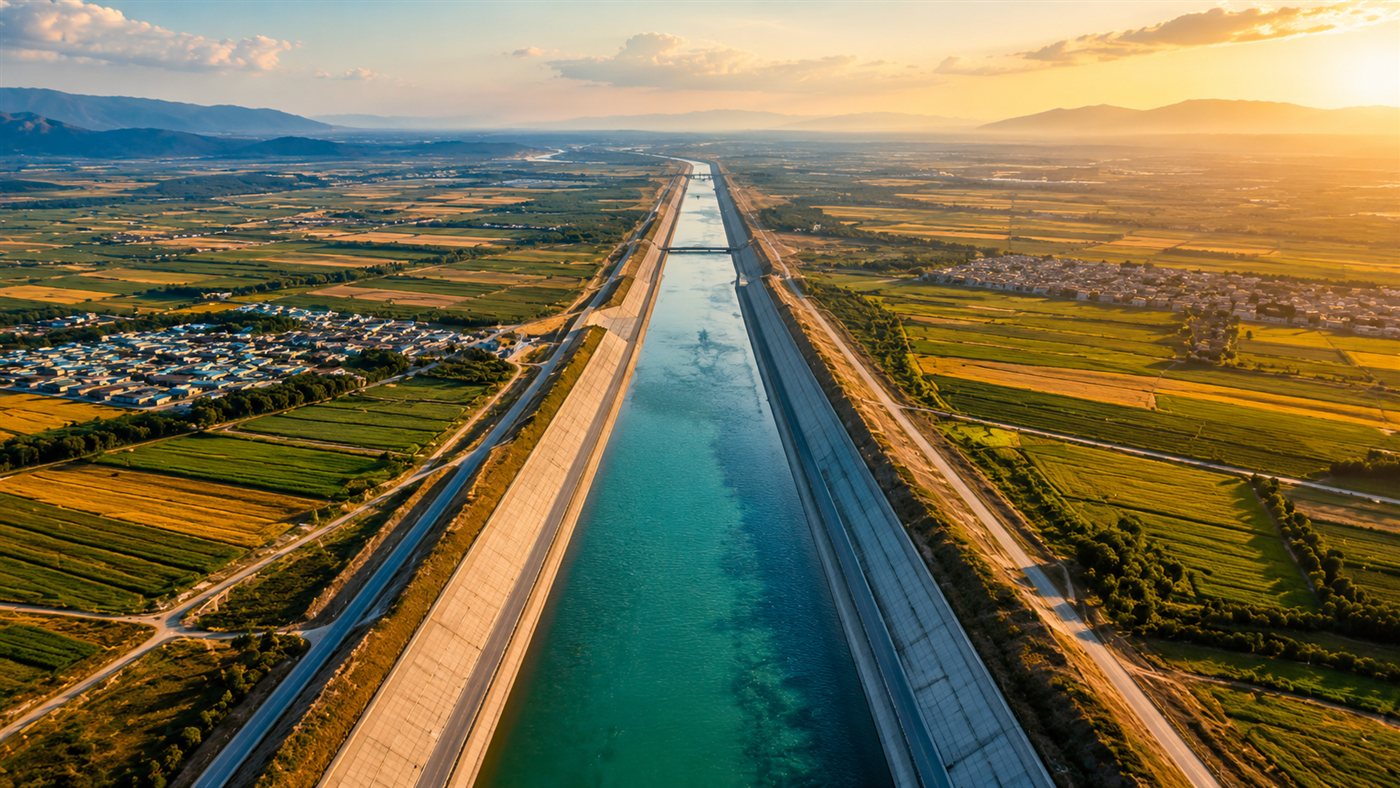
The choice of Bahia for the sugar refinery is justified by the strategic combination of natural resources and infrastructure. Al Khaleej Sugar highlighted the potential use of the West-East Integration Railroad (Fiol) as a solution for transporting the production. In addition, the abundance of water from the São Francisco River was pointed out as an essential factor for the project’s viability, which will create several jobs.
-
Abandoned Factory in Rio’s North Zone Becomes Urban Hazard with Standing Water and Debris

-
The U.S. Navy Conducts Submarine Tests in Idaho Lake to Detect Underwater Noises Hidden by the Ocean

-
British Factory Transitions from Mechanical Parts to Producing 420,000 Electric Power Units Annually, Supplying 70% of Ford’s Electric Cars Sold in Europe
-
France Launches Network to Recycle 20 Million Cookware Pieces by 2027, Accepting All Brands for Aluminum and Coating Separation


The establishment of the megafactory in Bahia promises to generate up to 50,000 direct and indirect jobs, marking a significant impact on the Bahian economy. The expectation is that the project will also boost local agriculture, with partnerships between the sugar refinery and local producers, who will be responsible for supplying the raw material.
Furthermore, the megafactory will position itself as a driver of ethanol production, expanding the use of biomass and diversifying bioenergy avenues in the state.
Expectations for the Future of the Sugar Refinery
In addition to generating jobs, Al Khaleej Sugar plans to attract Brazilian investors to support the project, integrating agriculture, industry, and bioenergy. Governor Jerônimo Rodrigues expressed support for the initiative, committing to articulate policies that favor the execution of the proposal, aiming to add value to local products and expand Bahian exports.
The sugar refinery project from Al Khaleej in Brazil represents a milestone for the sugarcane sector. The partnership between the global sugar giant and the government of Bahia promises to boost the state as a strategic hub for export and innovation in the bioenergy market, in addition to generating thousands of jobs.
With a robust investment and the generation of thousands of jobs, the initiative has the potential to transform the local economic landscape and consolidate Brazil’s leadership in the global sugar and ethanol market.
How the Meeting Between the Bahia Government and the Company Went
On the occasion, Rodrigues emphasized Bahia’s competitive advantages for hosting the project, highlighting the qualities of the soil, the abundance of water resources, and the logistical infrastructure necessary for transporting the production. According to him, Brazil has all the conditions to host the megafactory in Bahia, which will enhance its productive capacity and generate many jobs for the population.
Still during the meeting, Rui Costa also pointed out the importance of ongoing infrastructure works, such as Fiol and Porto Sul, as key elements to enable the transportation of production. He also mentioned the BNDES and Petrobras as possible partners in financing the project. According to the government of Bahia, the installation of the sugar refinery is considered a priority.