Portuguese
  Spanish


Discover How Argentina Boosts Solar Energy by Expanding Clean and Sustainable Generation and Strengthening Its Role in the Global Energy Transformation.
Currently, Argentina is increasingly boosting solar energy, reflecting a global movement towards cleaner and more sustainable energy matrices.
Furthermore, the country implements policies and incentives that stimulate distributed generation, allowing residences, businesses, and cooperatives to produce their own electricity from renewable sources, primarily solar, and inject excess into the electric grid.
This model transforms the way energy is produced and consumed, promoting autonomy, efficiency, and environmental awareness.
-
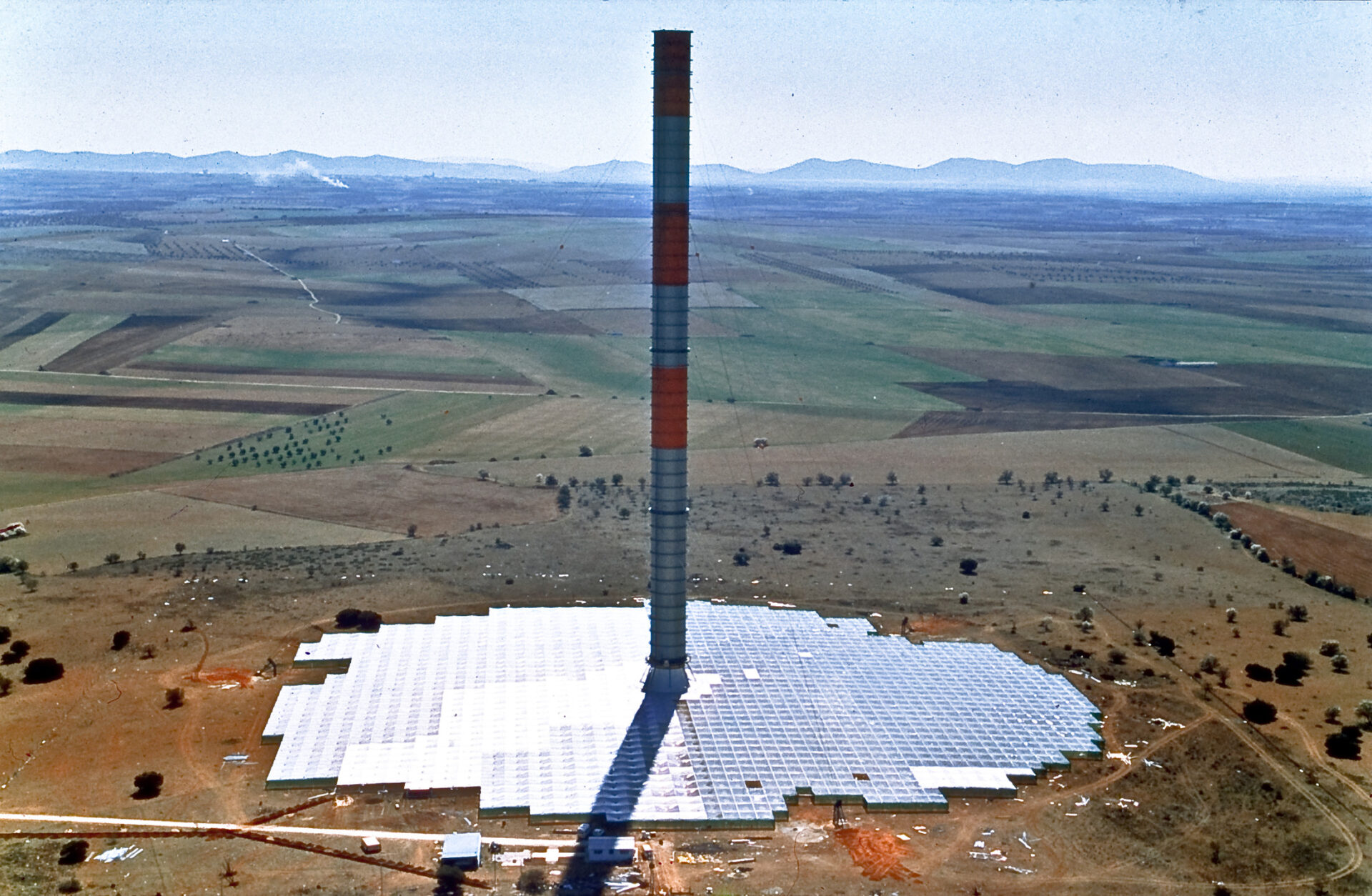
Solar Chimney in Spain Harnessed Sun to Generate Electricity for 7 Years Without Burning Fuel

-
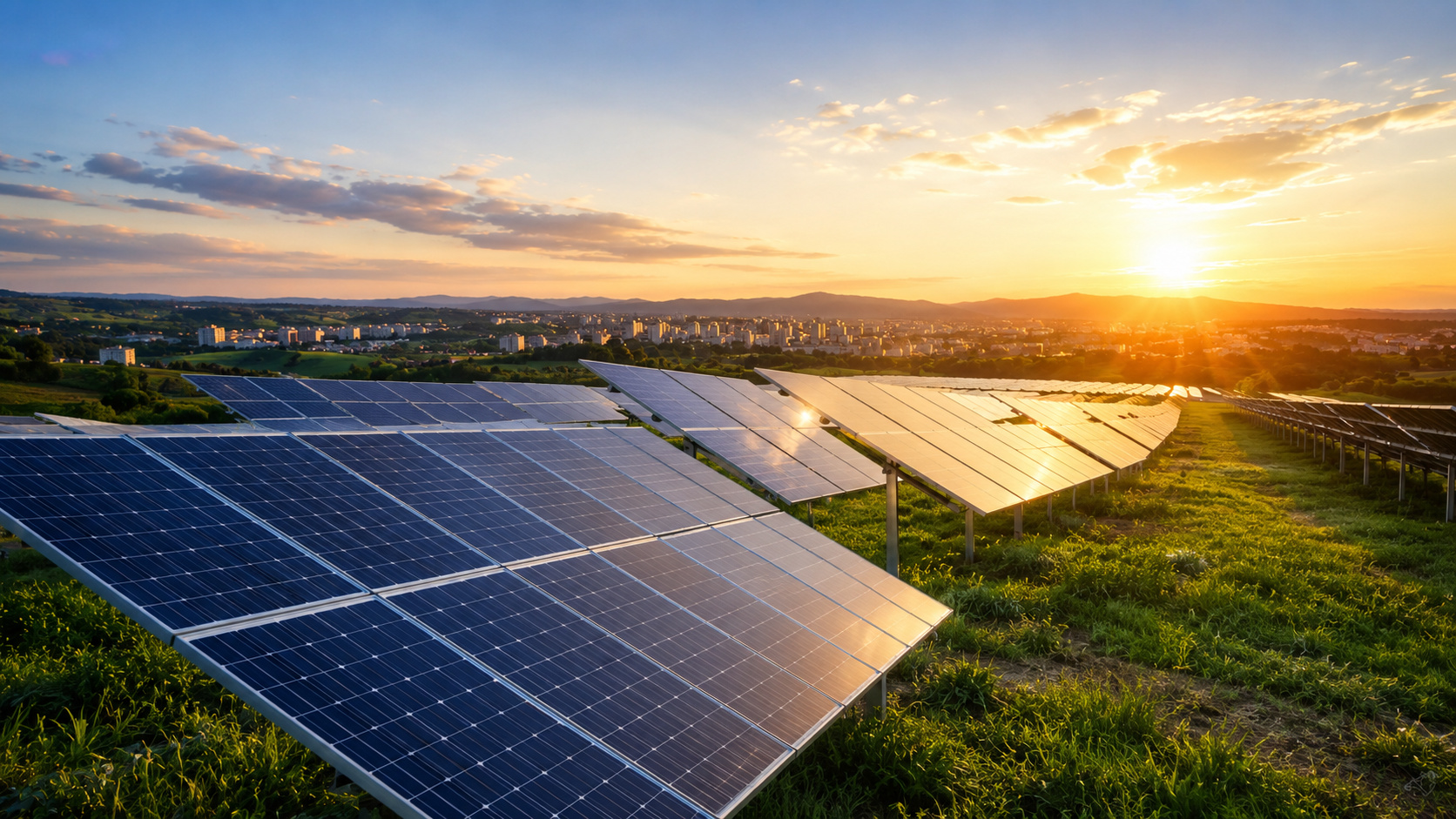
Solar energy reaches 55 GW, becoming the second largest power source in Brazil’s energy mix

-
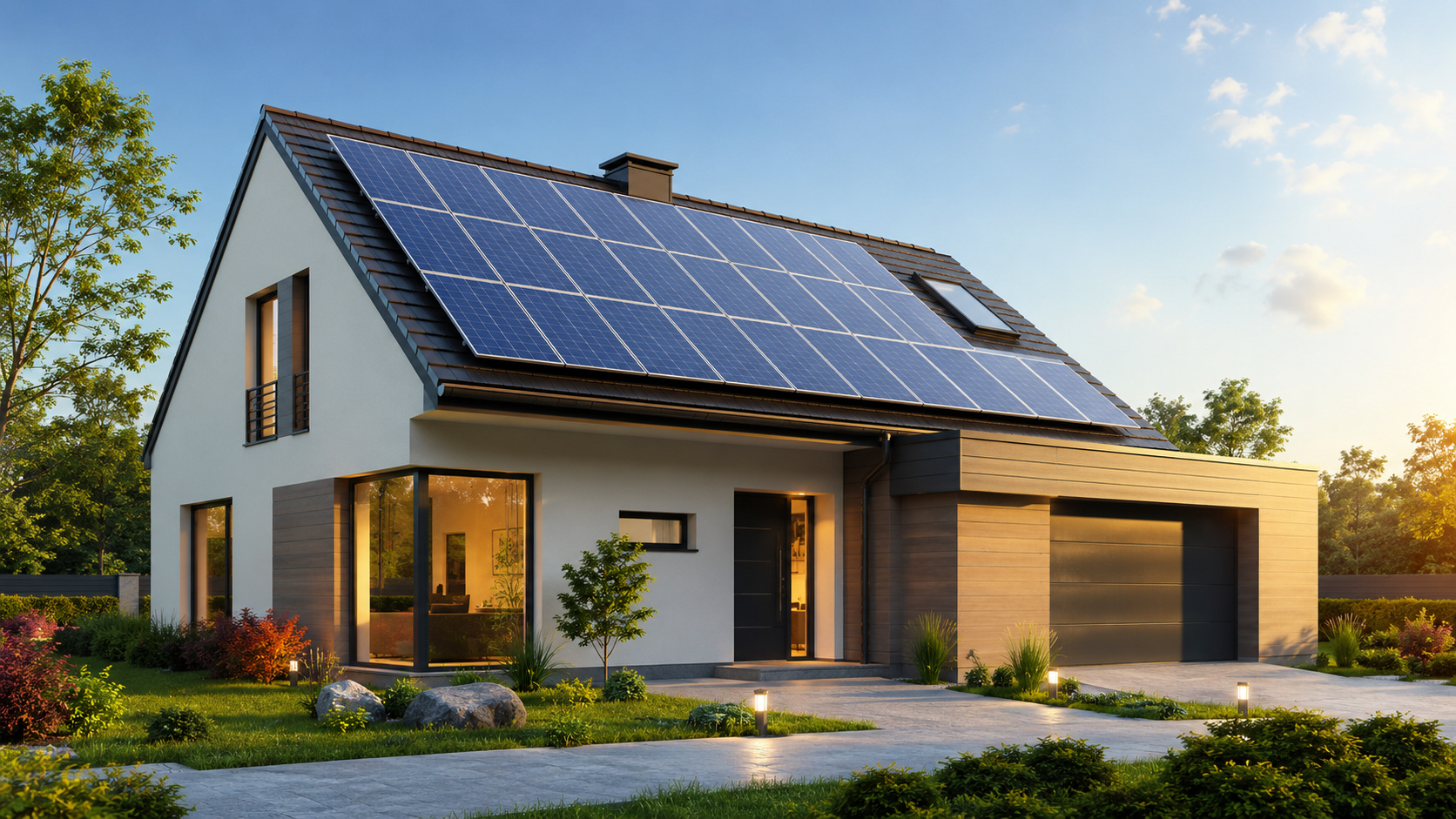
Solar energy can increase property value by up to 10% and become a selling point.
-
Solar and wind energy surpass natural gas for the first time in the world and accelerate energy revolution


Historically, researchers discovered the photovoltaic effect in the late 19th century, making it possible to convert sunlight into electricity.
However, only in the 20th century, thanks to technological advancements and the need to reduce dependence on fossil fuels, large-scale commercial development was consolidated.
Consequently, countries around the world began to invest in solar systems, recognizing that this clean source could supply energy demand and reduce greenhouse gas emissions.
In Argentina, the enactment of Law 27,424 reinforced the movement for solar energy distributed generation.
Therefore, the law allows users to produce electricity close to residences, industries, and commercial buildings using grid-connected photovoltaic systems.
By consuming their own energy and injecting the surplus into the grid, citizens obtain discounts on their electricity bills and contribute to the stability of the electric system.
Moreover, the expansion of solar energy fosters new specialized companies and cooperatives in the installation, maintenance, and monitoring of photovoltaic systems.
As a result, this sector growth generates skilled jobs and technological development opportunities, strengthening the local economy and encouraging young people to pursue careers related to renewable energies.
Thus, Argentina boosts solar energy not only in energy terms but also as a driver of economic and social transformation.
Benefits of Distributed Generation for Consumers and the Electric System
In addition to individual benefits, distributed generation offers significant advantages for the entire electric system.
By producing energy during peak demand times, such as summer midday hours, solar systems relieve the load on substations and transmission lines, thus increasing the reliability of the electricity supply.
Similarly, distributors benefit from the proximity of generation, which reduces transmission losses by up to 10%, thereby increasing the system’s efficiency.
Recent data from Argentina’s Energy Secretariat shows that the country has more than 3,300 user-generators, totaling an installed capacity of over 97,000 kW.
Therefore, the 67% growth in less than a year underscores structural changes in the way electricity is produced and consumed.
Furthermore, the provinces of Córdoba, Buenos Aires, and San Juan lead the expansion, with Córdoba accumulating over 32,000 kW installed.
Thus, the reduction in equipment costs, the rise in tariffs, and the environmental awareness of the population drive this progress.
The initial cost of a solar installation ranges from $2,000 to $2,500, depending on the project’s scale.
However, users can expect a return within four to six years, considering energy consumption, local solar radiation, and tariffs.
On the other hand, industrial sectors, such as food and agriculture, adopt solar systems to reduce operational costs and lower their carbon footprint, aligning production with sustainability.
Additionally, solar energy strengthens the dissemination of knowledge about renewable sources.
Hence, universities, research centers, and engineering associations offer courses and projects that encourage innovation and practical application of photovoltaic technologies.
This way, Argentine society actively participates in the development of sustainable solutions, not just in the consumption of clean energy.
Social and Environmental Impacts of Solar Energy
Indeed, solar energy promotes benefits that go beyond financial.
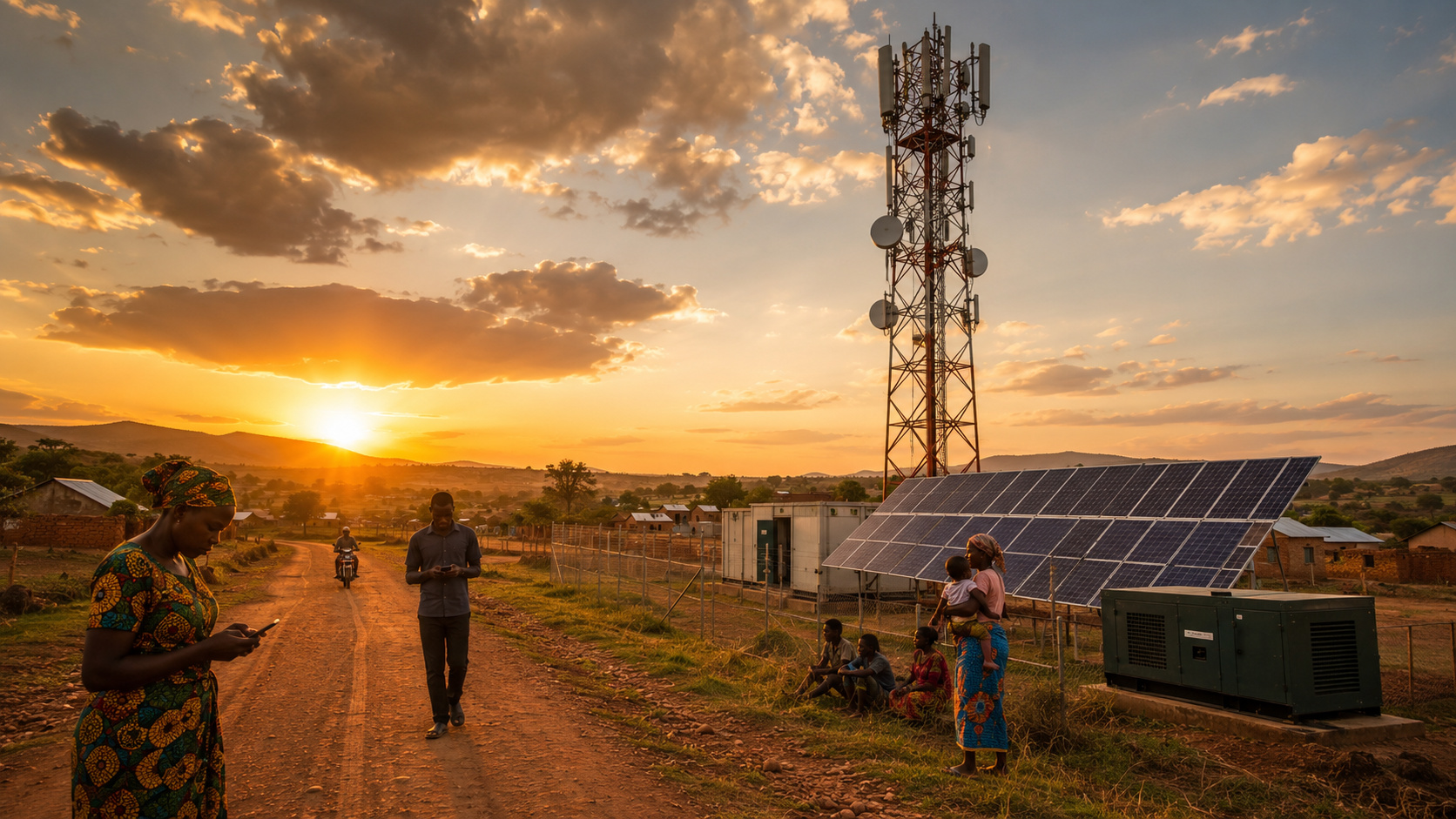
Moreover, it democratizes access to electricity, allowing isolated communities or those with limited infrastructure to produce and consume their own energy.
Thus, it increases energy independence, generates local jobs, and encourages technological innovation.
At the same time, by reducing the need to transport electricity over long distances, solar energy minimizes system losses and environmental impacts related to the construction and maintenance of transmission lines.
Globally, solar energy leads the growth of renewable sources.
Therefore, the International Energy Agency estimates that installed solar capacity worldwide will double before 2030.
Similarly, countries like China, India, Germany, and Brazil demonstrate how photovoltaic systems can transform electric grids, reduce emissions, and stimulate economic development.
Consequently, the Argentine model follows this trend, integrating with the global energy transformation and reinforcing the country’s commitment to sustainability.
Argentine legislation also provides tax incentives to stimulate distributed generation.
Thus, users who inject energy into the grid receive exemptions from taxes such as VAT and Income Tax.
Additionally, the law establishes the goal of reaching 1,000 MW of distributed solar energy by 2030, requiring cooperation between the government, private sector, and civil society.
Therefore, success depends on effective policies and the active participation of citizens.
Moreover, solar energy increases the country’s energy security.
By reducing dependence on imported fossil fuels and decentralizing production, Argentina decreases its vulnerability to international energy crises, price fluctuations, and geopolitical instabilities.
Every installed panel represents, therefore, a step towards a more resilient matrix, capable of meeting present needs without compromising the future.
The Future of Argentina’s Energy Matrix
The growth of distributed generation highlights the energy decentralization, in which electricity production does not exclusively depend on large plants.
Furthermore, this model strengthens the resilience of the electric system, distributes risks, and brings producers and consumers closer.
Thus, solar energy becomes a tool for social, economic, and environmental transformation.
In addition to economic benefits, the expansion of solar energy significantly reduces carbon emissions, which is essential for combating climate change.
Each solar installation contributes, therefore, to a cleaner, fairer, and more sustainable energy matrix, consolidating Argentina’s position in the global fight for a greener planet.
The country’s energy future depends, consequently, on incentive policies, investments in research and development, and social engagement.
As the costs of solar systems decrease and technology advances, residences, businesses, and cooperatives will increasingly adopt distributed generation.
Thus, Argentina boosts solar energy strategically, integrating with global trends and reaffirming its commitment to a sustainable energy future.
Moreover, the country is moving towards hybrid projects, combining solar energy with other renewable sources, such as wind and biomass, creating more stable and reliable systems.
On the other hand, investment in energy storage, through batteries and smart grids, ensures that the generated energy works even during periods of low sunlight or high demand.
In summary, Argentina’s trajectory in solar energy reflects a profound transformation in the way electricity is produced.
By uniting technological innovation, effective public policies, and citizen participation, the country becomes a protagonist in the global energy transformation.
Therefore, distributed generation connects the economy, environment, and society, paving the way for a cleaner, fairer, and more efficient future.