






 Portuguese
  Spanish


Tectonic Transformations Indicate the Emergence of a New Ocean, Reshaping the Geography of the Planet.
The Earth is about to witness an impressive phenomenon: the emergence of a new Ocean. This geological process, driven by the movement of tectonic plates, occurs at a slow but steady pace and has already begun to reconfigure the future maps of our planet.
How Is the New Ocean Emerging?
The formation of a new Ocean occurs when tectonic plates, large blocks that make up the Earth’s crust, begin to drift apart. This movement creates fissures that allow magma to rise, forming new ocean basins. This is how phenomena like the Red Sea emerged, separating continents and redrawing geographic boundaries. Now, this same process is active in various parts of the world.

In the Gulf of Mexico, for example, intense seismic activities indicate that California may, in the future, separate from the rest of North America. This would result in a large oceanic mass, creating a new Ocean. In Africa, between Uganda and Zambia, areas currently landlocked have the potential to gain direct access to the sea with the emergence of a new body of water. This event could transform trade routes and offer new maritime pathways for global commerce.
-
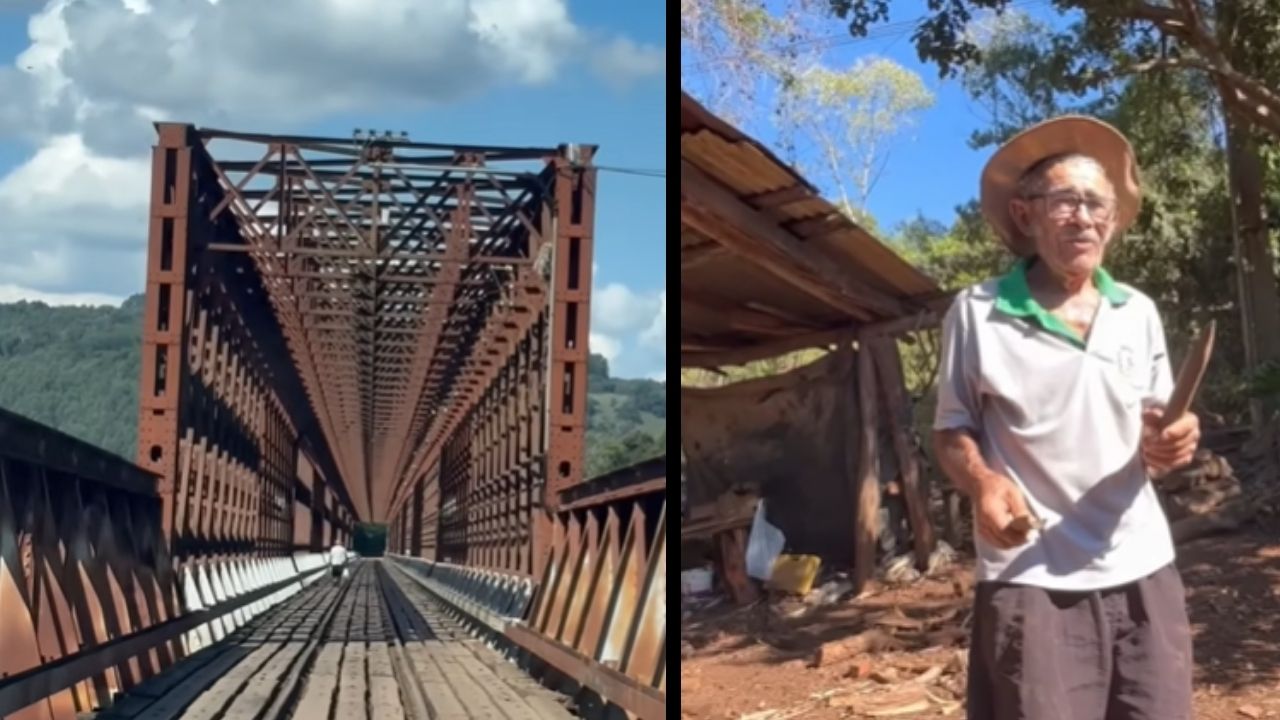
Driver Crosses 100-Year-Old Railway Bridge Over Uruguay River, Encounters Rural Couple Preserving Traditional Farming Methods

-
Rural Producer Returns to Brazilian Farmland, Builds Family Agricultural Business with Children’s Support and Industry Backing
-
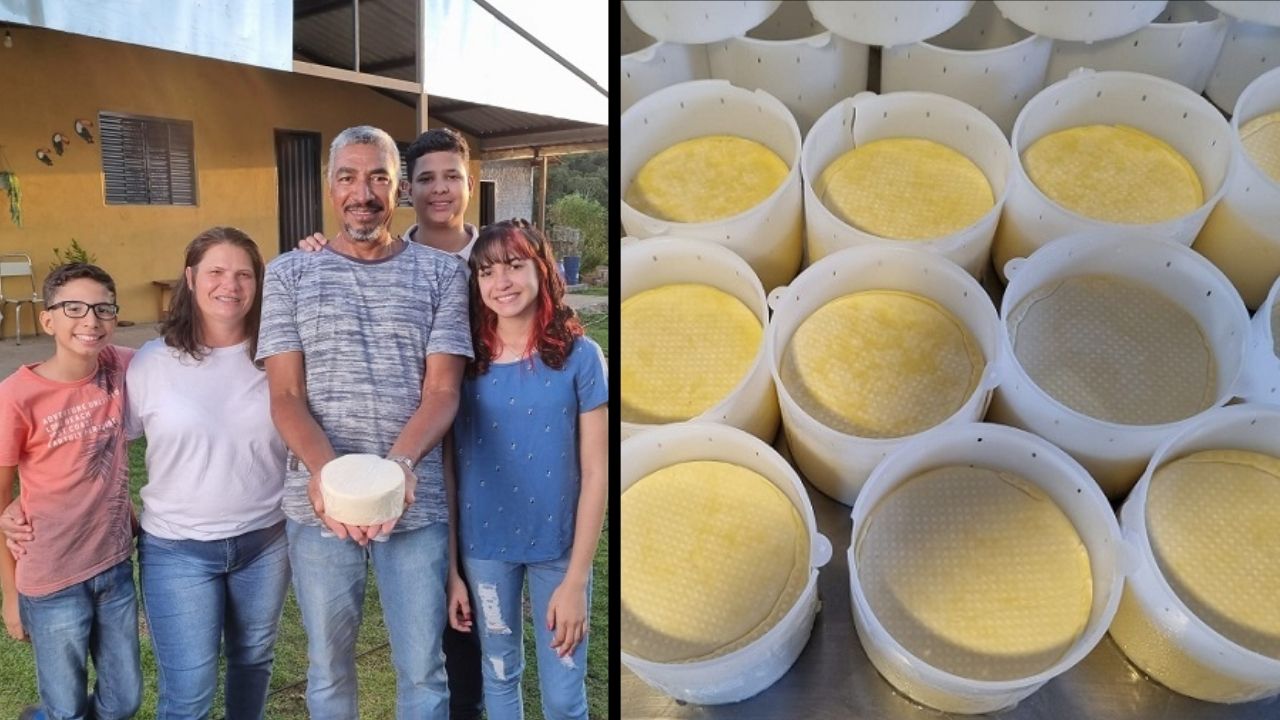
Goiás Couple Boosts Artisan Cheese Production from 25 to 70 Kilos Daily with Technical Support, Transforming Family Life in Rural Brazil
-
13-Year-Old Discovers Ancient Roman Ring Near Mount Carmel, Now Set for Display in Jerusalem


What Changes for the Earth?
Tectonic transformations bring profound impacts for the Earth. From ecosystems to economies, the emergence of a new Ocean could shape the future of the planet. Here are some points:
Ecosystem Impacts: New marine habitats will emerge, but they may threaten species that cannot adapt quickly.
Changes in Global Trade: Opportunities for new maritime routes may boost the flow of goods.
Challenges for Nations: Countries will need to adapt infrastructure and legislation to deal with the new coastal geography.
On the other hand, the expansion of these oceans also reinforces the importance of continuous monitoring of the Earth’s crust. Scientists worldwide use cutting-edge technology, such as satellites and seismographs, to predict and study these tectonic movements and their consequences.
Opportunity for a Connected Future
The emergence of a new Ocean is not just a reminder of nature’s transformative power but also an opportunity for humanity to prepare for a more interconnected future. As the Earth changes, it is up to us to adapt to the new landscapes it offers, seizing opportunities and facing challenges in a sustainable and innovative way.
Get ready, because the Earth’s story is far from over – and a new Ocean will be the next great page in this ever-changing book.





Possas fiquei preocupado. Nem sei o que fazer quando nascer o novo oceano. Acho que vou ficar com a casa alagada kkkkkkkkk
A formação de um novo oceano é um processo geológico lento, demorando milhões de anos. No entanto, é importante estar preparado para mudanças climáticas e possíveis alterações no nível do mar. É recomendado consultar especialistas em geologia e mudanças climáticas para mais informações.
Meu Jesus isso sério
As alterações fazem parte da evolução geográfica. A transformação, as mutações , também. Somos objetos de reciclagem, apenas isso.