Portuguese
  Spanish


Brazil Achieves Highlights In The Global Market With A Tropical Fruit That Moves Millions Of Dollars A Year And Boosts The Agricultural Business Of Northeastern States.
Brazil crowned mango as its most exported fruit in 2025, with revenue surpassing US$ 80 million and shipping 73.6 thousand tons abroad by May.
The European Union is the main destination, with strong participation from the states of Pernambuco and Bahia in production aimed at the international market.
Mango Exports On The Rise Boost Agricultural Business
Mango holds the absolute leadership in Brazilian fruit exports in 2025.
-
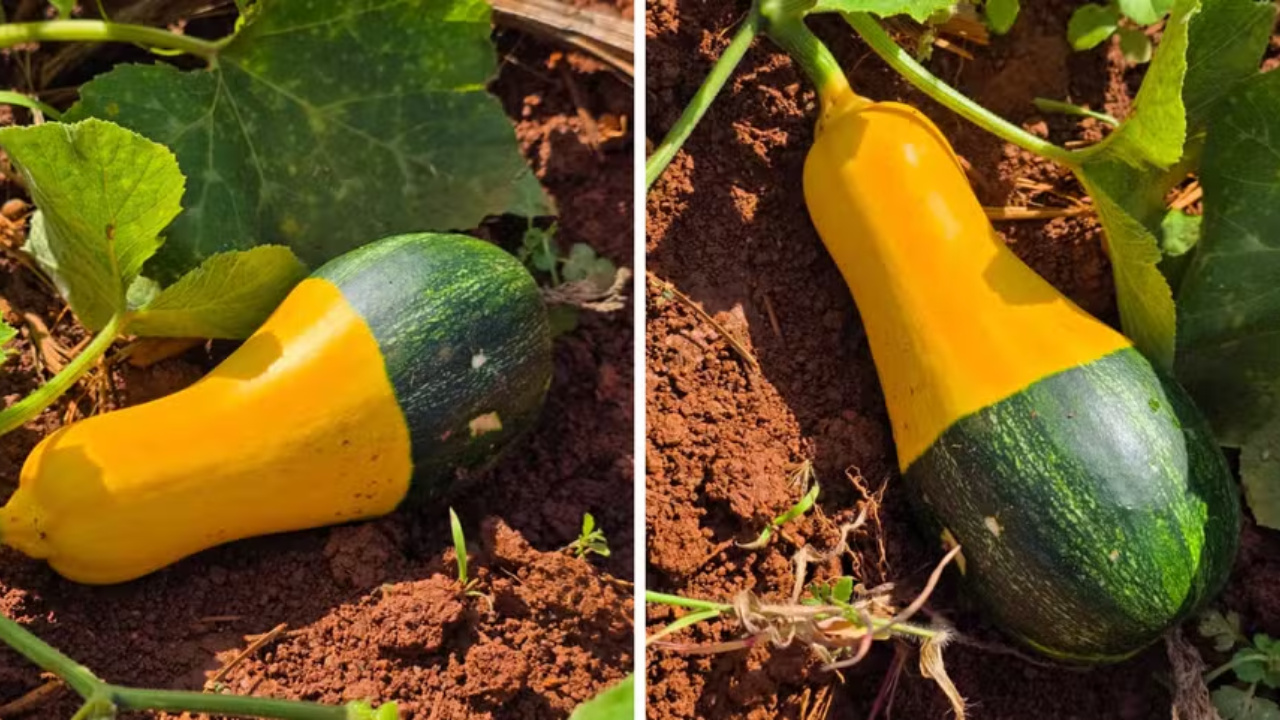
Bicolor Pumpkin Resembling Hand-Painted Art Discovered by Brazilian Researchers in the Capital Due to “Spontaneous Mutation”

-
In China, a 26-story building produces 1.2 million pigs annually, revolutionizing livestock farming with tube feeding and AI surveillance.

-
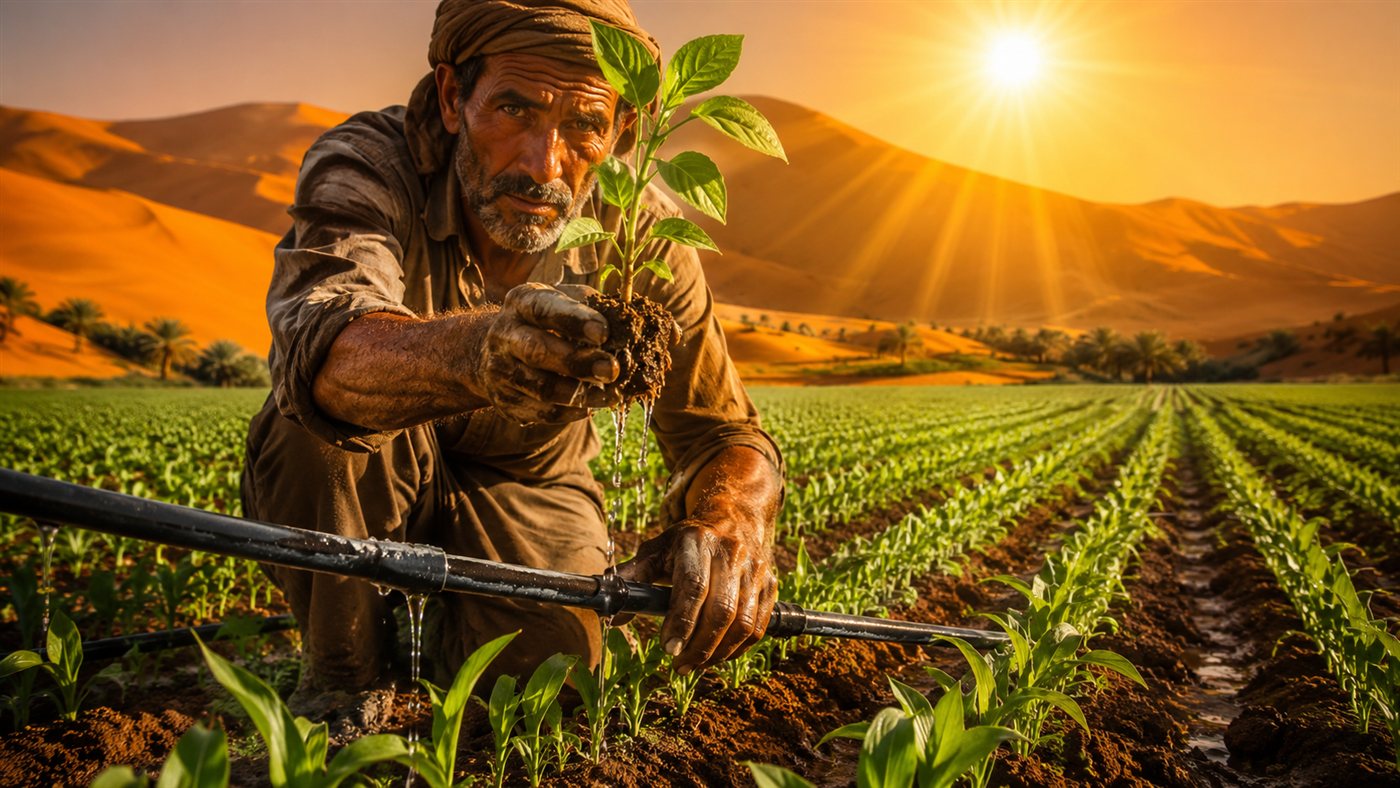
With Nearly 60% Desert, Israel Desalinates Seawater and Recycles 90% of Wastewater to Build a Billion-Dollar Agricultural Powerhouse in Dates and Cotton
-
74-Hour Barbecue in Brazil Sets World Record: 3.4 Tons of Meat, 10,500 Meals Served



According to data from the first quarter, it recorded revenue of over US$ 80 million and a volume of 73.6 thousand tons shipped, strengthening its position as the flagship of the national agricultural business.
According to the Ministry of Agriculture, Livestock and Supply (Mapa) report, Palmer and Tommy varieties dominate shipments, especially to the Netherlands (52%), Spain (26%), and Portugal (8%).
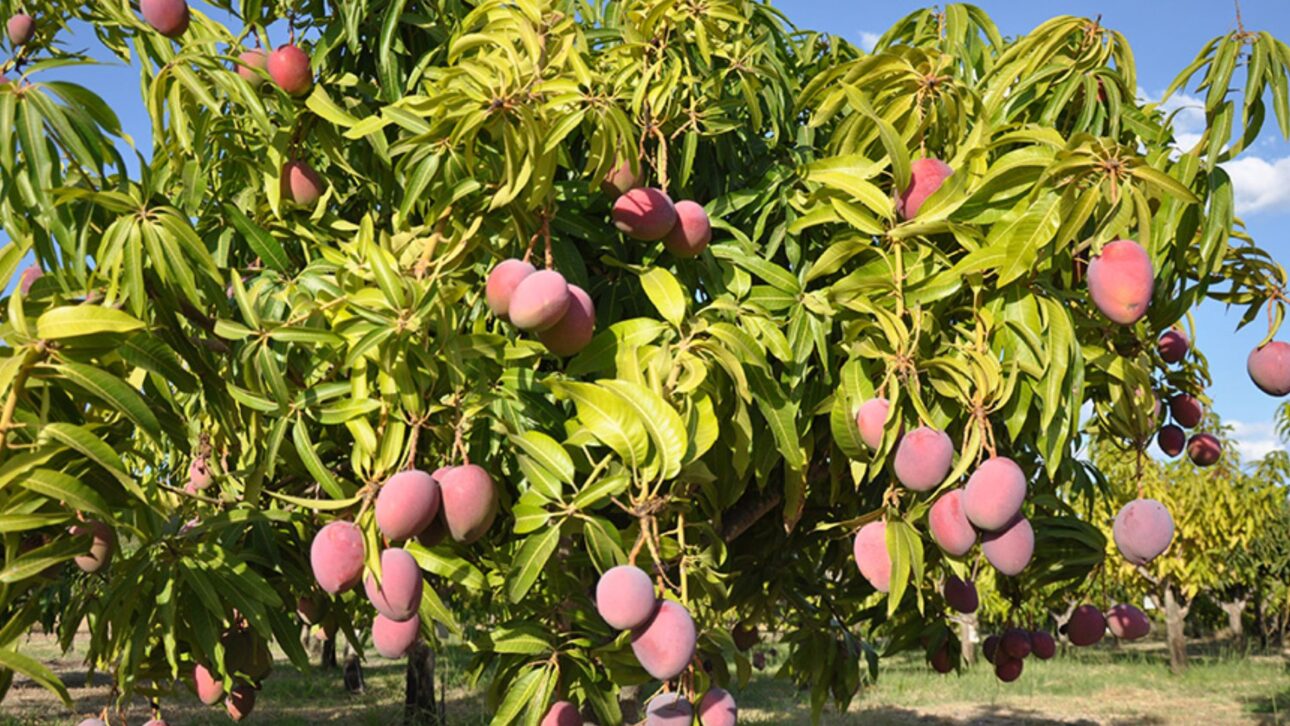
Northeast Is The Main Producer Hub Of Mango For Export
The Northeast region concentrates most of the production destined for foreign trade.
Pernambuco and Bahia are responsible for more than 80% of exported mangoes.
Productivity in the region, especially in the São Francisco Valley, reaches 30 tons per hectare, surpassing the national average of 20 tons per hectare.
Fruits Sector Of Brazil Reaches US$ 1.38 Billion In 2024
In 2024, Brazil exported more than 1 million tons of fruits, generating revenue of US$ 1.38 billion.
This amount represents growth in value, even with a slight decrease in volume shipped.
Mango alone totaled over US$ 350 million in sales the previous year.
Between January and September 2024, mango exports grew 46.2% in value, rising from US$ 147 million to US$ 215 million, despite a slight decrease in volume.
Other highlights were lemons and limes, with growth of 14.5% in value, and melons, with an increase of 7.7%.
In 2025, the season began promisingly: the first quarter recorded an increase of 26% in the volume of exported fruits (301 thousand tons) and 7% in revenue (US$ 311 million) compared to the same period in 2024.
Besides mango, melon, watermelon, lemon/lime, banana, and apple led shipments.
Brazilian Mango Is Rich In Nutrients And Attracts International Markets
The mango exported by Brazil combines flavor and health.
It is rich in vitamin C, vitamin A, fiber, potassium, folate, calcium, and zinc.
These nutrients strengthen the immune system, protect vision, improve skin health, and regulate intestinal function.
Its antioxidants and anti-inflammatory compounds help to combat premature aging and reduce the risk of gastritis.
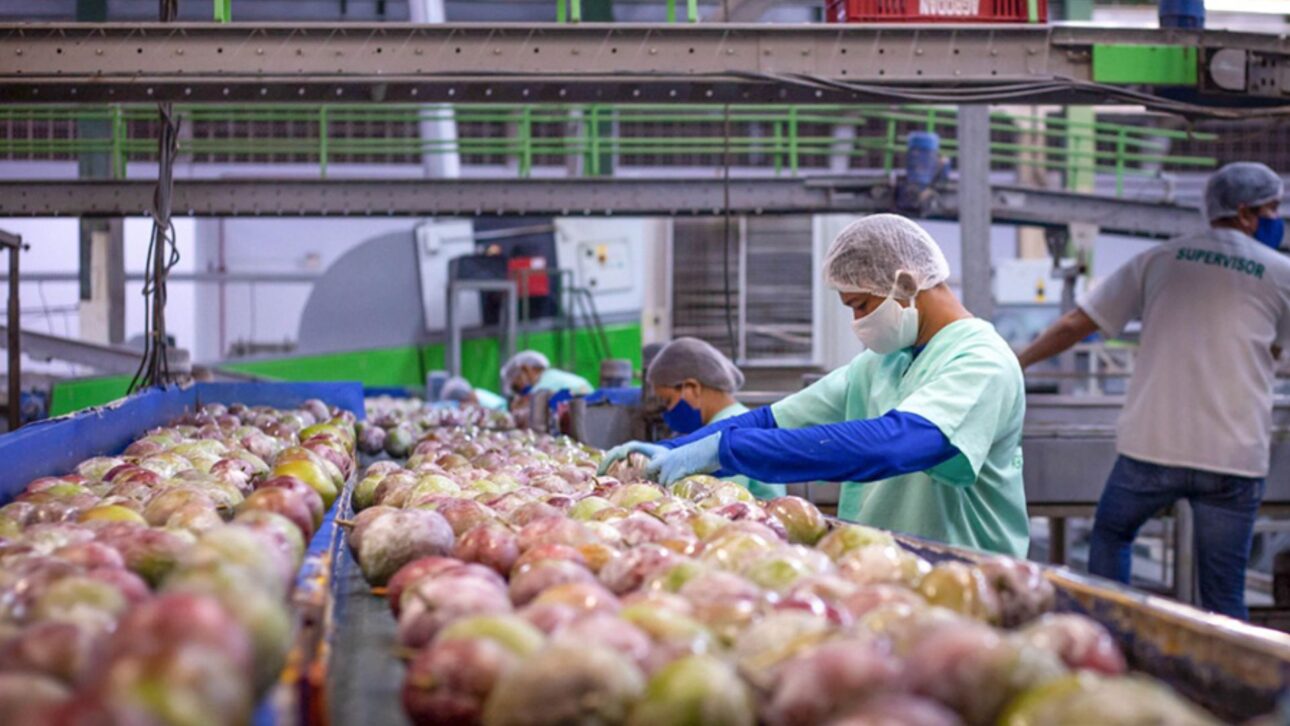
Factors That Explain The Success Of Mango Exports
Efficient Logistics And Variety Of Cultivars
The Palmer and Tommy varieties are preferred in European markets for their durability and quality.
The logistics infrastructure — especially exports via the Netherlands — reinforces the competitiveness of Brazilian mango.
Climate Resilience And Agricultural Innovation
Even in the face of heavy rains in 2024, exports grew 8.5% in value between January and September.
Adapted irrigation techniques in the semi-arid region increased water efficiency and productivity, as studies with ‘Kent’ mango in Petrolina (PE) indicate.
Global Increase In Demand For Tropical Fruits
The search for healthy foods drives demand for Brazilian mango in countries like the European Union, the United States, and the United Kingdom, the main destinations for the fruit.
Opportunities And Challenges For National Fruit Farming
Brazil seeks to expand its presence in fruit exports with higher added value.
To achieve this, investments in logistics infrastructure, trade agreements, and technical support for small producers are needed.
Aside from mango, new markets have been opened for grapes and avocados, such as China and Chile.
Brazil’s presence on World Fruit Day, celebrated on July 1st, reinforces its global standout role and the need to diversify production.
Mango symbolizes not only the commercial success of the sector but also its capacity to innovate and conquer new markets.