Portuguese
  Spanish


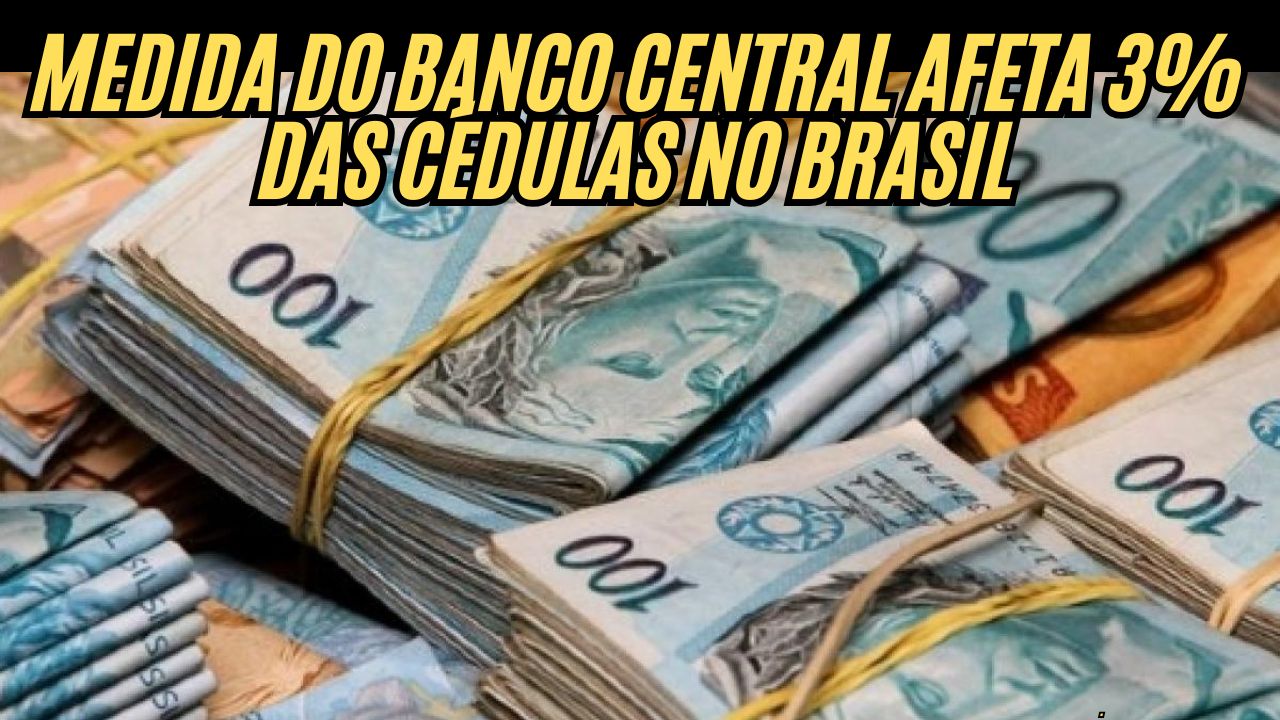


Central Bank Announces That First Notes of the “First Family of the Real” Begin to Disappear; Collectors Can Profit From the Decision.
The Central Bank announced, in June 2024, the withdrawal of the first banknotes of the real, issued at the beginning of the currency’s implementation in 1994. The measure, which affects the so-called “first family of the real,” aims to modernize the money in circulation in Brazil, replacing the older notes with newer and better-preserved versions.
Financial institutions are already mobilized to collect these banknotes, but the Central Bank clarifies that, for now, they are still being accepted normally in commerce and daily transactions. The decision was motivated by the physical wear of the notes, which impacts both distribution logistics and security, as deteriorated banknotes can be difficult to accurately identify by machines and even by the public.
Central Bank and the Modernization Underway in Brazil

Since 2010, Brazil has been replacing the banknotes of the first family of the real with the second, which features improvements in both design and security mechanisms. Currently, the old notes represent only about 3% of the money in circulation. The transition began with the new versions of the R$ 50 and R$ 100 banknotes and was consolidated with the launch of the R$ 200 note in 2020.
-
Owner of Havan Visits Paraguay to Discuss Lower Taxes, Local Suppliers, and International Expansion with President

-
Brazilian Construction Retail Chain Closes After 60 Years, Begins Liquidation Sale Across Five Cities

-
Brazil Approves Landmark Bill Requiring Workplace Adaptations for Autism Inclusion

-
Brazil’s Micro-Entrepreneur Program May See Major Changes: Income Cap Could Increase to R$ 130,000, Annual Inflation Adjustments, and Allow Hiring of an Additional Employee



The Central Bank emphasized that the withdrawal of the first banknotes of the real from circulation is part of an ongoing effort to improve the quality of the notes in use, ensuring greater durability and reducing replacement costs.
Treasures in Your Pocket
Although they are being withdrawn from circulation, the banknotes of the first family are gaining relevance in the collector’s market. Some notes, especially those of R$ 1, are valued for their rarity and condition. Unblemished, uncreased specimens can be worth much more than their nominal value.
Banknotes with signatures of historical figures, such as former Finance Ministers Ciro Gomes and Pedro Malan, have also drawn interest. The Central Bank’s decision to withdraw these notes from circulation could, in practice, make them a promising investment for those who still possess them.
What to Do With the Old Notes?
Despite the gradual withdrawal, the public does not need to rush to exchange the banknotes. The Central Bank reaffirms that they remain valid and can be used normally. However, it is likely that, over time, their use will become rarer, further increasing their value for collectors.
Thus, the Central Bank’s decision regarding the withdrawal of the first banknotes of the real from circulation not only modernizes the Brazilian monetary system but also gives new life to an important piece of the country’s economic history.