Portuguese
  Spanish


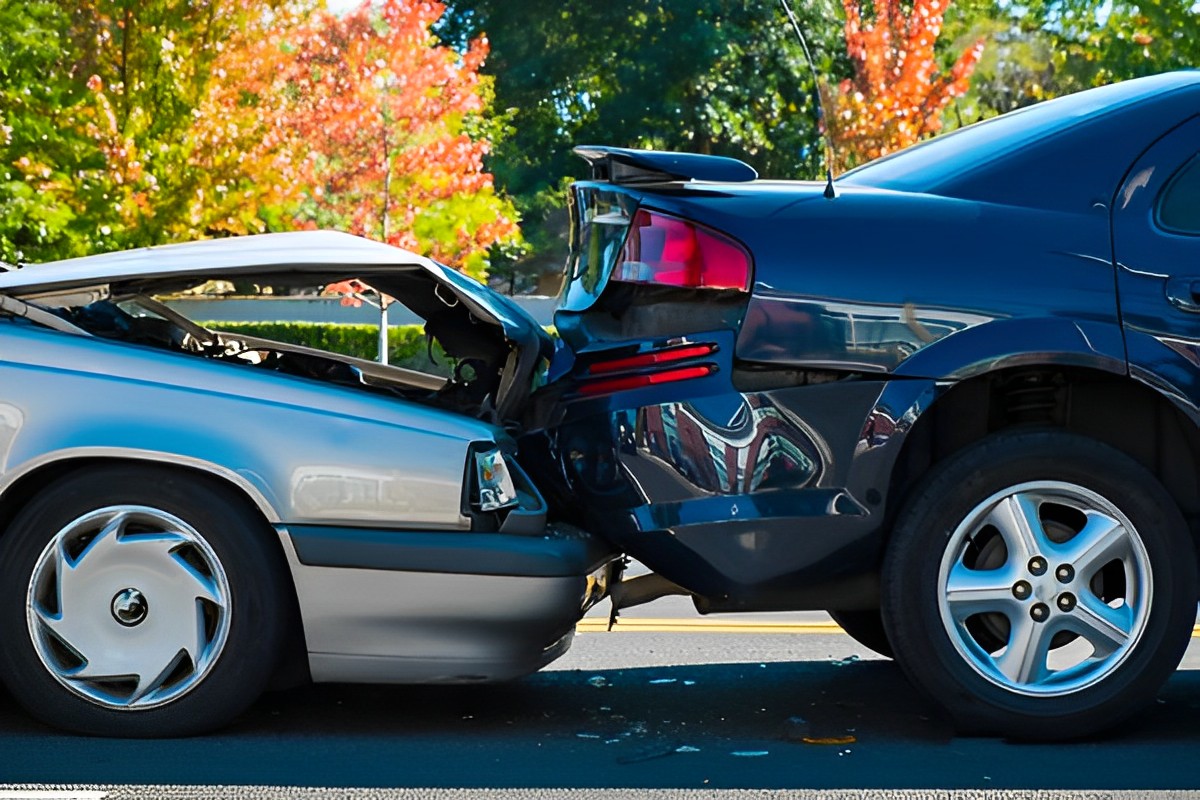

Compare the Market, An Australian Insurance Site, Conducted a Survey to Rank the Best and Worst Drivers in the World. To Reach This Conclusion, Various Countries Were Evaluated According to Specific Criteria, Such as Road Quality, Speed Limits, Road Accident Deaths, Blood Alcohol Levels, and Traffic Education on Social Media.
After Analyzing the Data Collected During This Survey, It Was Possible to Identify That Japan is the Country with the Best Drivers and Thailand with the Worst. Some European Countries Also Achieved Good Results in the Survey Due to High Scores in Road Quality and Traffic Education.
In Contrast, Some American Countries Rank Among the Worst on the List Due to the Significant Amount of Alcohol in Blood Recorded. Finally, Brazil Appears on the List of the Worst Drivers in the World. This Research Shows That Driving is a Globally Shared Human Activity.
However, There Are Also Regions Where Practicing This Skill Can Be a Constant Danger Due to the Culture of Local Drivers. Therefore, Everyone Who Decides to Drive Must Be Aware of Current Rules and Respect Local Particularities to Avoid Any Accidents or Unnecessary Tragedies.
-
Rolls-Royce Turns Heads with 30-Inch Floating Wheels, 6.6-Liter V12 Engine, and 563 Horsepower

-
2019 Kia Sportage EX: A Spacious and Cost-Effective SUV with 2.0 Flex Engine and Panoramic Roof
-
Fiat Strada Becomes Top Seller in June, Surpassing Onix, Polo, Hilux, and T-Cross with 107 HP Engine and 732 km Range.

-
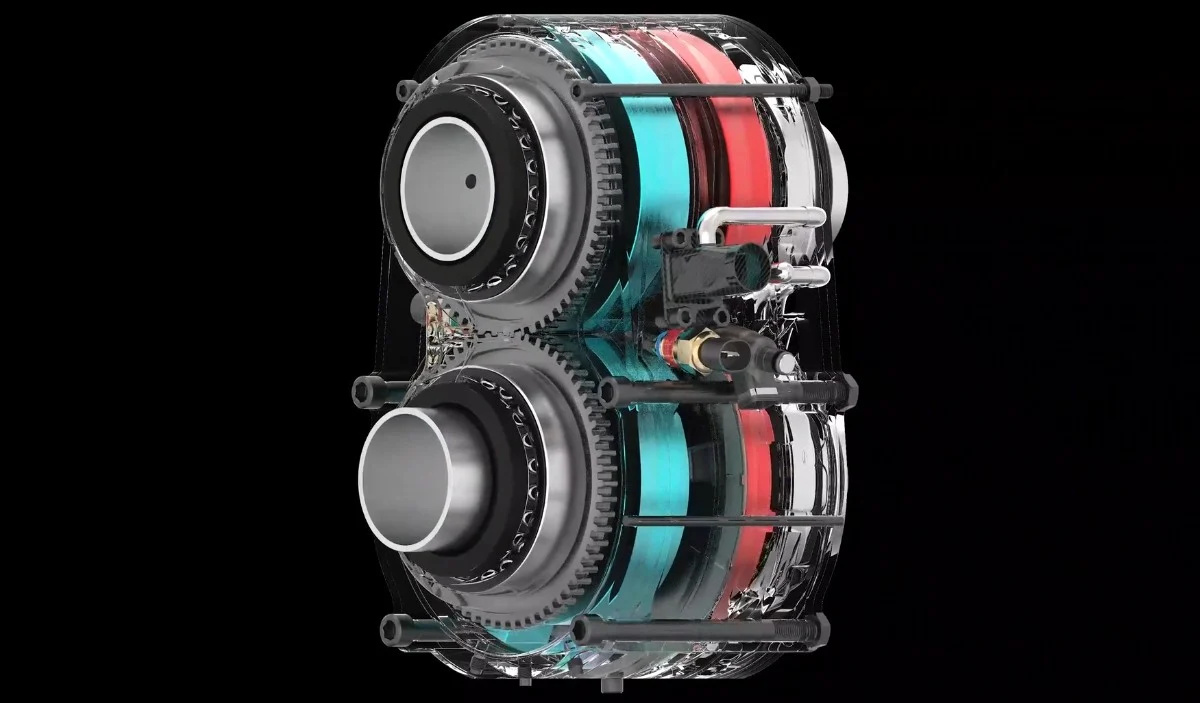
Suitcase-sized hydrogen engine spins at 25,000 rpm, nearly doubling the efficiency of conventional cars and replacing exhaust smoke with water vapor


Countries with the Best Drivers
| BEST DRIVERS | |
| Country | Score |
| Japan | 4.57 |
| Netherlands | 4.02 |
| Norway | 4.00 |
| Estonia | 3.91 |
| Sweden | 3.89 |
| Austria | 3.87 |
| Spain | 3.72 |
| Singapore | 3.65 |
| Portugal | 3.65 |
| South Korea | 3.56 |
Countries with the Worst Drivers
| WORST DRIVERS | |
| Country | Score |
| Thailand | 2.17 |
| Peru | 2.28 |
| Lebanon | 2.28 |
| India | 2.34 |
| Malaysia | 2.36 |
| Argentina | 2.04 |
| United States | 2.51 |
| Colombia | 2.56 |
| Canada | 2.64 |
| Brazil | 2.65 |
How to Drive Better
Driving is a Pleasurable Experience for Those Sitting Behind the Wheel, but It Requires Caution and Concentration to Ensure That the Journey is Smooth, Safe, and Uncomplicated. Driving Well is Essential for Your Own Safety, as Well as for the Passengers and Everyone Around You. Therefore, It’s Important to Practice and Continuously Improve Your Driving Skills. Do You Want to Know What to Do to Drive Masterfully? Check Out Our Special Tips!
Don’t Fool Yourself into Thinking You Know Everything
Unfortunately, 53.7% of Accidents Occurring in Brazil Are Caused by Recklessness — Mainly Violating Laws and Distracted Driving. This Demonstrates That Overconfidence Can Be Dangerous, Especially in Adverse Weather Conditions Such as Fog or Rain. To Drive Better, You Need to Be Aware That There is Always Something New to Learn.
Respect Traffic Laws
Many Drivers Think That Driving Well Means Disregarding Traffic Laws — Speed Limits, Prohibited Turns, Driving on the Shoulder, etc. However, Driving Well Goes Beyond Mastering the Car: It Involves Following Established Rules, Planning the Route in Advance, and Paying Attention to Your Own Limits — Such as Not Grabbing the Wheel When Tired or Intoxicated.
Familiarize Yourself with Your Vehicle
Many People Believe that All Cars Are the Same, but Each Has Its Own Particularities — Engine, Wheels, and Other Elements — That Must Be Considered When Driving. If You Are Driving a New Vehicle, Spend Some Time Getting to Know Its Features Before Taking It on the Road.
Practice Relationships Between Gears, Discover What Changes in Automatic Cars, and Study the Manuals to Learn About Warning Signs and Dashboard Controls. This Way, You Will Gain Confidence to Drive.
Take Care of Your Posture
Your Posture While Driving Also Influences the Quality of Driving. When Seats, Steering Wheel, and Mirrors Are Not Properly Adjusted, You Will Have Compromised Visibility, Difficulty Reacting Quickly, and Faster Bodily Fatigue — Thus Impairing Your Performance and Reflexes.
The Ideal Position is One Where Your Head is Fully Supported by the Headrest; Arms Forming a Right Angle; Both Hands on the Wheel in the 10 and 10 Position; Lumbar Support; Knees Slightly Bent and Easy Access to the Pedals.
Practice in Less Busy Areas
Heavy Traffic Can Intimidate Those Looking to Acquire Skills in Automotive Driving — This is Why Many of These Individuals Give Up on Their Goals Before Even Starting. This is Why Driving Schools Opt to Take Students to Quiet Neighborhoods: Practicing on Less Busy Streets is an Excellent Strategy to Train Maneuvers and Familiarize Yourself with the Wheel Without External Pressures.
Adopt Defensive Driving
Defensive Driving Involves Constantly Paying Attention to the Conditions of Public Roads as Well as Taking Preventive Measures — Maintaining Safe Distances Between Vehicles, Respecting Established Limits, Not Forcing Overtakes, Etc. — Aiming to Avoid Serious Accidents at All Costs.