Portuguese
  Spanish


New Police Force in Portugal Increases Migratory Surveillance and Brazilians Receive Warning from Consulate About Risks of Detention Without Valid Documents. Law Changes Make Stay More Restrictive and Directly Affect Thousands of Immigrants.
The Consulate-General of Brazil in Lisbon issued, on Monday, August 25, 2025, a warning with guidelines for Brazilian residents following the start of operations of the National Unit for Foreigners and Borders (UNEF), the new immigration force of the Public Security Police (PSP).
The agency recommends carrying a valid official document in public, keeping digital copies of proof of migratory status, and cooperating during approaches.
In case of detention, Brazilians have the right to present evidence of ties to Portugal, appeal to the courts, and request the appointment of a public lawyer, as well as a possible waiver of fees through Social Services or the Citizen’s Shop.
-
Salvador’s Acarajé Vendors Turn Used Frying Oil into Income by Selling it for Biodiesel Production

-
Volunteer Revives Dead Lake in Bengaluru Overnight, Doubling Water Capacity and Attracting Kingfishers and Herons
-
1909 Train Car Once Destined for Abandonment Transformed into Luxury Accommodation in the U.S. After $3,000 Restoration

-
86-Year-Old Brazilian Man Starts Homemade Bread Business After Learning from TV Recipe


What Is the UNEF and When Did It Start Operating
The UNEF began operating on August 21, focusing on monitoring the stay of foreigners and controlling air borders, as well as managing voluntary return processes, expulsion, readmission, and coercive removal.
The creation of the unit is due to Law No. 55-C/2025, approved in July, which also adjusted the division of responsibilities with the Agency for Integration, Migrations and Asylum (AIMA).
The goal is to unify and expedite control and removal procedures when there are violations of migratory regulations.
Brazilian Community and Direct Impact of Changes
The Brazilian community is the largest among foreigners in Portugal, with about 550,000 people. Recent changes in legislation impact this group by restricting pathways to regularization that have been used in recent years.
Among the most significant points are the end of the possibility to enter as a tourist and then apply for residency, the limitation of the job-seeking visa to highly qualified professionals, and new rules for family regrouping, which now require at least two years of legal residency from the applicant, with requests from adults made while still in their country of origin.
Duties of the UNEF in Portugal
Created by specific law and subordinate to the PSP, the UNEF is a nationally operating unit responsible for monitoring and controlling airport borders, supervising the stay of foreigners in areas under police jurisdiction, and instructing and executing processes of coercive removal, expulsion, readmission, and voluntary return.
It can also initiate administrative offenses for violations of entry and stay regulations. Practically, the UNEF gained responsibilities that were previously split between the PSP and AIMA, concentrating the administrative and operational stages of removing those who are in an irregular situation.
Police Approaches and Mandatory Documents
With the UNEF in action, identity and migratory status checks can occur at airports, public transport, and urban roads.
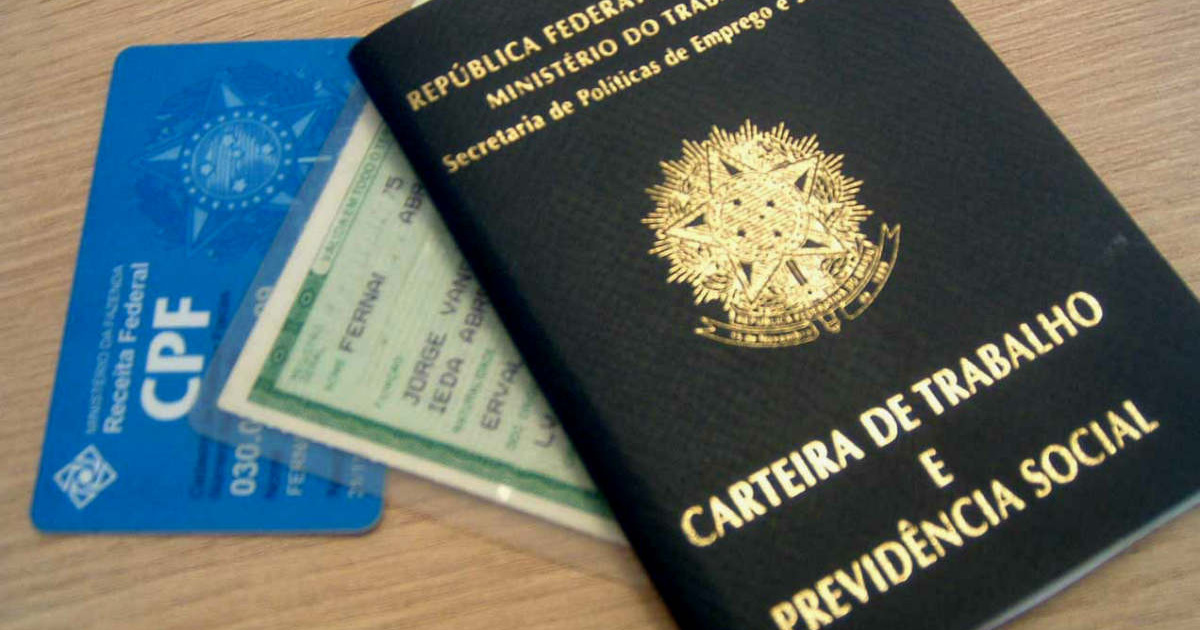
The Consulate advises Brazilians to always carry a valid identification document and, when possible, copies or photos of originals that demonstrate ties to Portugal, such as residence permits, expressions of interest, proof of contributions to Social Security, employment contracts, or green receipts.
The recommendation includes cooperation with the authority, whose identification is mandatory by law. In the event of detainees, it is the immigrant’s right to present evidence of everyday ties to the country and challenge judicially the measure.
Rights of Brazilians in Case of Detention
If a coercive removal process is initiated by AIMA or UNEF, Brazilians can request a public lawyer and ask for waiver of fees through Social Services or a Citizen’s Shop.
The consulate emphasizes that questions and reports of occurrences should be sent to the email cg.lisboa@itamaraty.gov.br. In communication to the public, the agency added that “a consular agent will contact you to provide the necessary guidance.”
Recent Changes in Immigration Law
The amendments approved in July 2025 redefined central points of the entry and stay regime.
The job-seeking visa has become restricted to highly qualified activities, with criteria to be detailed by regulation.
The family regrouping for spouses and adult children now depends on two years of legal residency of the holder and must be requested outside the territory in most cases. It is no longer possible to convert a tourist entry into a residence permit.
These changes were submitted to preventive oversight by the Constitutional Court and resulted, in parallel, in the creation of the UNEF within the PSP.
Effects for Those Who Already Live in Portugal
For those who already have valid residency, the main immediate effect falls on family reunification, which is now more time-consuming and has requirements for housing and means of subsistence.
Those undergoing regularization should pay extra attention to documentation and compliance with deadlines, as notices for voluntary abandonment can be issued and converted into coercive removal if the imposed conditions are not met.
The UNEF, confirmed to start on August 21, centralizes stages that were previously scattered, which tends to expedite the processing of voluntary returns and expulsions through legal channels.
How to Act in Light of the New Rules
Although daily life should not change for those who are regular and have documents in order, the recommendation is to always carry identification, maintain an up-to-date digital file of proof of ties, and, if approached, remain cooperative and request that the agent identify themselves.
In case of an infraction or detention, seek legal assistance and inform the consulate with a detailed report of the incident, including location, date, time, documents presented, and names of agents, when possible.
These measures increase the predictability of the process and safeguard rights assured under Portuguese law.
Approval of the Law and Start of the UNEF
Parliament approved the package of amendments to the Immigration Law on July 16, 2025, with subsequent promulgation after preventive oversight requested by the Presidency of the Republic.
The law that created the UNEF was published on July 22, and the unit began operations days later, on August 21.
The consolidation of these changes occurs as the government announces other measures for border management and integration, with effects that should be gradually felt by the entire migrant community.
In light of this scenario, do you already gather and carry proof of ties to Portugal when leaving home, or do you still need to organize your documents to avoid problems during an approach?