






 Portuguese
  Spanish


In An Automotive Market Full Of Luxury Options And Advanced Technology, A Small Revolution On Wheels Is Catching The Eye Of Consumers And Experts. A Vehicle That Combines Economy, Practicality And A Compact Design Could Be The Solution For Those Seeking Efficiency In Urban Traffic. But What Makes This Model So Special? And How Could It Impact Brazil?
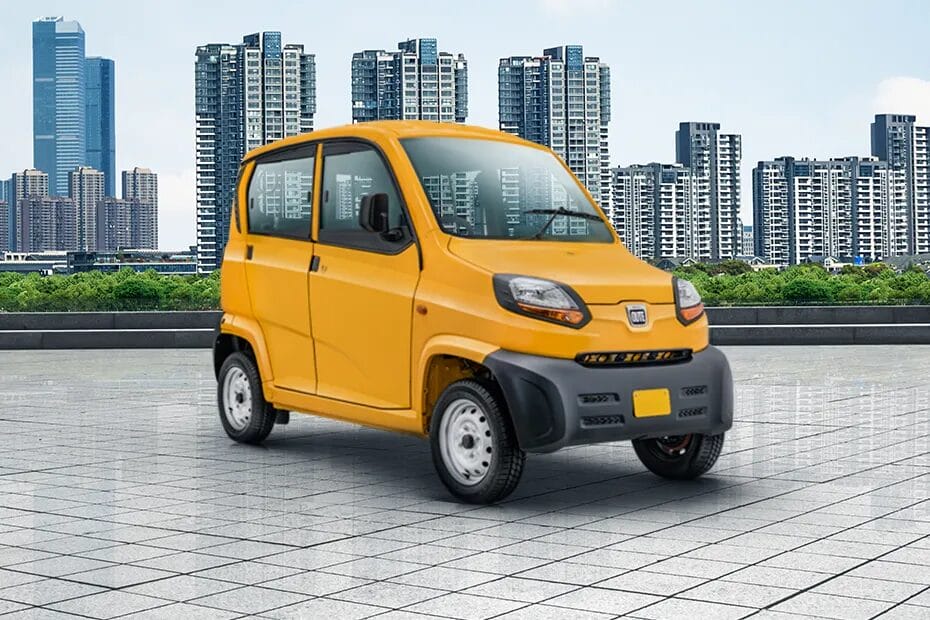
The Bajaj Qute, also known as RE60, is a quadricycle developed by Bajaj Auto, one of the largest vehicle manufacturers in India.
With a starting price of approximately ₹2,48,000 (equivalent to R$14,780), the Qute stands out for its affordability and energy efficiency.
Equipped with a 216.6cc single-cylinder engine, the vehicle delivers a power output of 13.1 PS (9.6 kW) when using gasoline and 10.8 PS (7.9 kW) with CNG.
-
Nissan Discontinues Qashqai SUV Amid Cost-Cutting, Chinese Competition, and Product Line Review

-
BYD Patents Revolutionary System Using Computer Vision to Detect Animals Under Cars Before Starting, Preventing Tragedies

-
Study Reveals Why Cars Are More Expensive to Produce and Buy in Brazil Compared to Mexico, Highlighting Taxes, Logistics, and Industrial Costs as Key Factors.
-
Toyota to Open New Factory in Brazil by November 2026 with $2.2 Billion Investment, Creating 2,000 Jobs, and Ending Corolla Production in Indaiatuba



With an impressive range of up to 43 km/kg with CNG and 35 km/l with gasoline, the car becomes an attractive option for those looking to reduce fuel costs.
Ideal For Urban Life
According to information from the ZigWheels.com website, the Qute is ideal for urban traffic due to its compact design, which makes it easier to navigate through congested areas.
According to the portal, the vehicle is classified as a quadricycle, which sets it apart from traditional cars, but still offers comfort and safety for four passengers.
Additionally, the Qute was designed with a clear focus on economy, both in terms of price and fuel consumption.
As stated on the cited website, the vehicle is equipped with a liquid-cooled engine, ensuring stable performance even in extreme heat conditions, common in Indian cities.
The combination of energy efficiency and low cost makes the Qute a viable solution for urban transportation, especially in regions with high population density and intense traffic.
Main Specifications Of The Bajaj Qute
| Feature | Specification |
|---|---|
| Price (India) | ₹2,48,000 (approximately R$14,780) |
| Engine | 216.6cc, single-cylinder, liquid-cooled |
| Power (Gasoline) | 13.1 PS (9.6 kW) |
| Power (CNG) | 10.8 PS (7.9 kW) |
| Range (CNG) | Up to 43 km/kg |
| Range (Gasoline) | Up to 35 km/l |
| Vehicle Type | Quadricycle |
| Passenger Capacity | 4 people |
| Design | Compact, ideal for congested urban areas |
| Source | ZigWheels.com, Team-BHP.com, Maxabout Autos |
And The Bajaj Qute In Brazil?
The possibility of the Bajaj Qute being introduced in the Brazilian market has generated expectations. With rising fuel prices and increasingly chaotic traffic in large cities, the Qute could offer an economical and practical alternative for Brazilians.
It is worth noting that Bajaj already has a factory in Brazil, which would facilitate the adaptation and production of the vehicle for the national market.
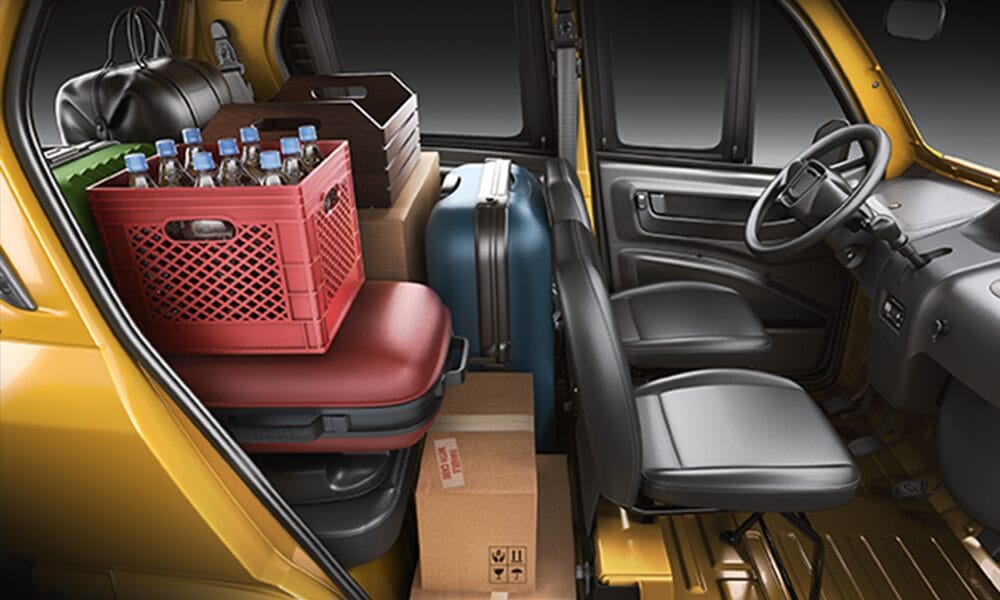
This existing infrastructure can accelerate the introduction of the Qute in Brazil, making it an even more viable and attractive option.
In other words, the Bajaj Qute car represents an innovation in urban transportation, combining accessibility with energy efficiency.
If the model is launched in Brazil, it could transform the way we move around cities, offering an economical and sustainable solution.
And you, what do you think? Would you like to see the Bajaj Qute on Brazilian streets? Additionally, be honest, how much do you think such a beauty would cost here in Brazil? Leave your opinion in the comments!



Compraria manutenção aliada a economia
O TAXADE não exitara em cobrar alto valor de imposto desses veículos. De 50 a 100% de imposto.
Uns $45.00,00 devido aos impostos. Principalmente que as AUTORIDADES não pagam combustível e tem carros à disposição quanto ao povo, tem mais é que pagar impostos .