






 Portuguese
  Spanish


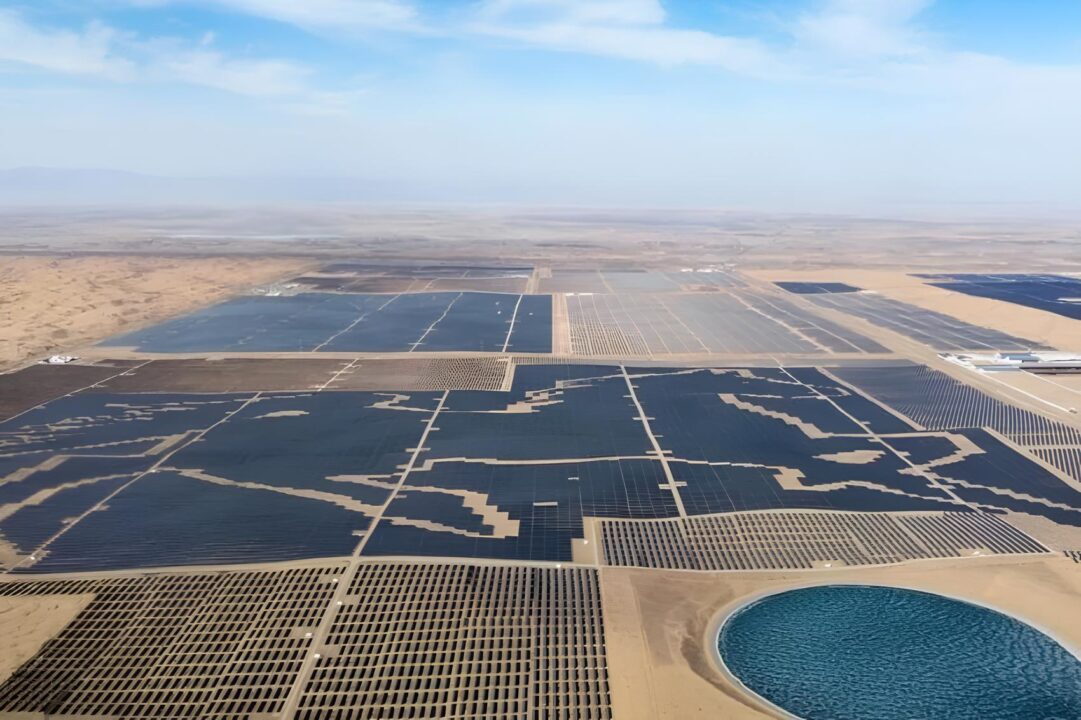


China Announces Installation of Millions of Solar Panels in the Kubuqi Desert. Discover More About This Project That Uses Photovoltaic Panels to Generate Clean Energy and Is Revolutionizing the Region.
China has taken another giant step in expanding its renewable energy capacity with the installation of millions of bifacial solar panels in the village of Chaideng, in the city of Ordos, located in the Kubuqi Desert region. There are an impressive 3.46 million photovoltaic panels covering an area of 30 million square meters. This project is part of an ambitious effort by the country to lead the global transition to clean energy, leveraging the vast potential of the desert to generate solar power. In addition to reducing carbon emissions, the project also aims to boost the local economy by creating jobs and developing cutting-edge technologies in the energy sector.
Project in the Kubuqi Desert Will Set a New Record in China
According to Liu Tianyun, deputy director of the Ordos Forest and Pasture Department, this large solar panel project, although unable to rival the Great Wall in length, is planned to extend for about 400 kilometers with an average width of five kilometers.


Liu highlights that the project in the Kubuqi Desert will establish a new record in terms of area for solar farms in China and will have 100 GW of installed capacity upon completion. The city currently has 5.42 GW of solar energy over more than 13,000 hectares of sandy terrain. The solar incidence in the region is approximately 3,100 hours of sunshine per year.
-
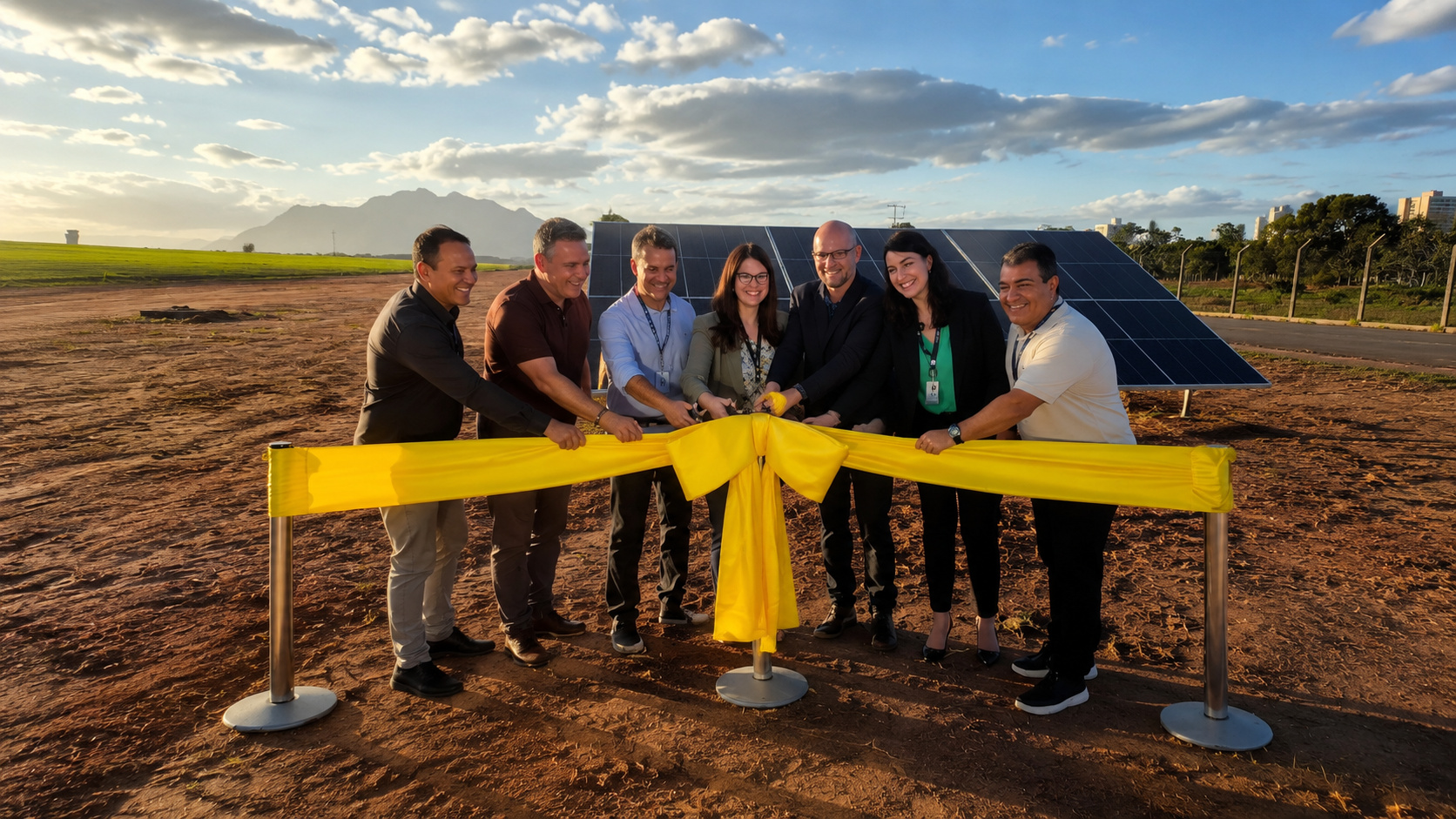
Brazil’s Vitória Airport to Launch Solar Plant Covering Area of 10 Soccer Fields, Boosting Clean Energy and Cutting Costs

-
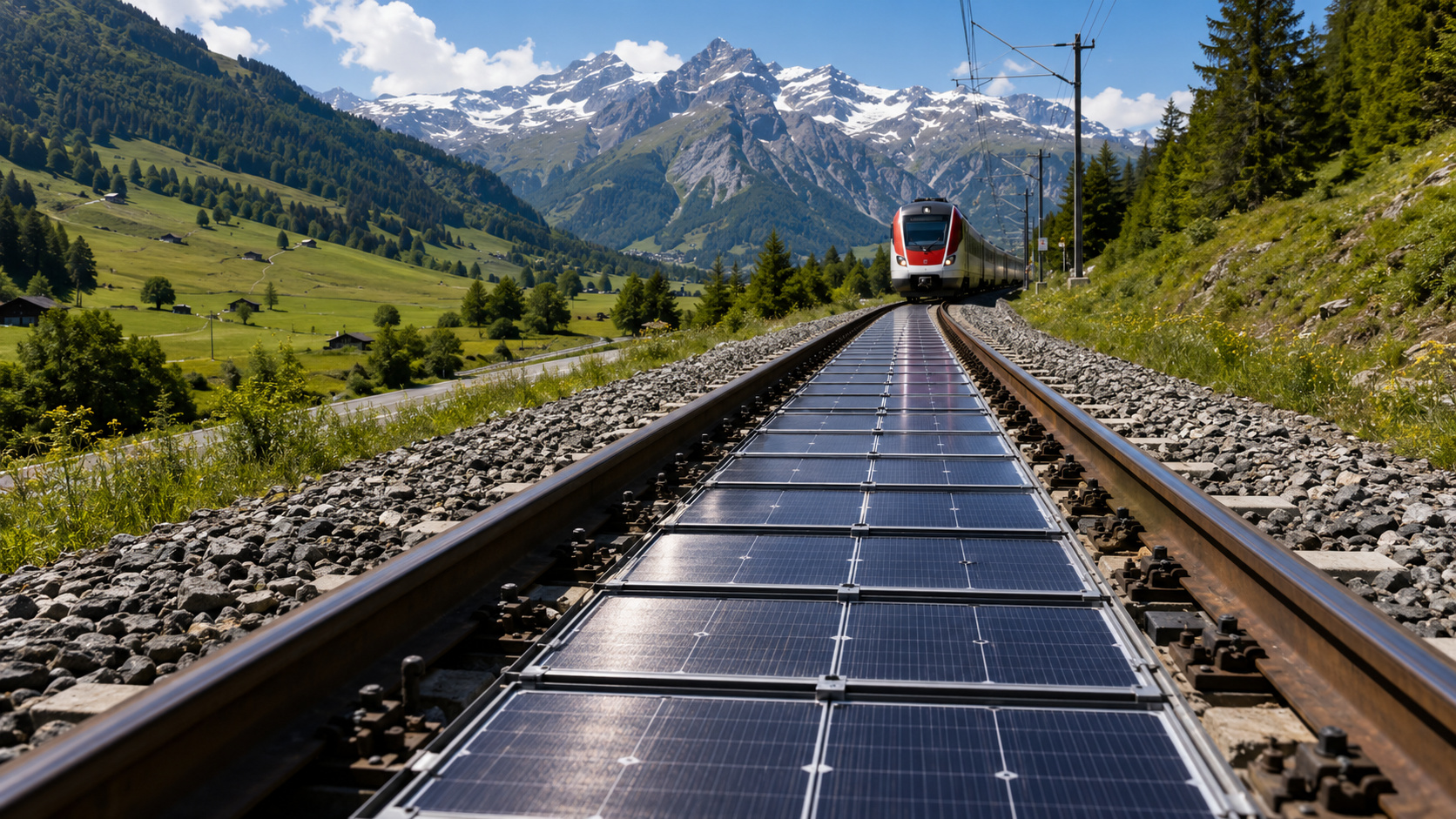
Switzerland Converts Train Tracks into Solar Power Plants with Removable Panels to Generate Energy Without Using Additional Land
-
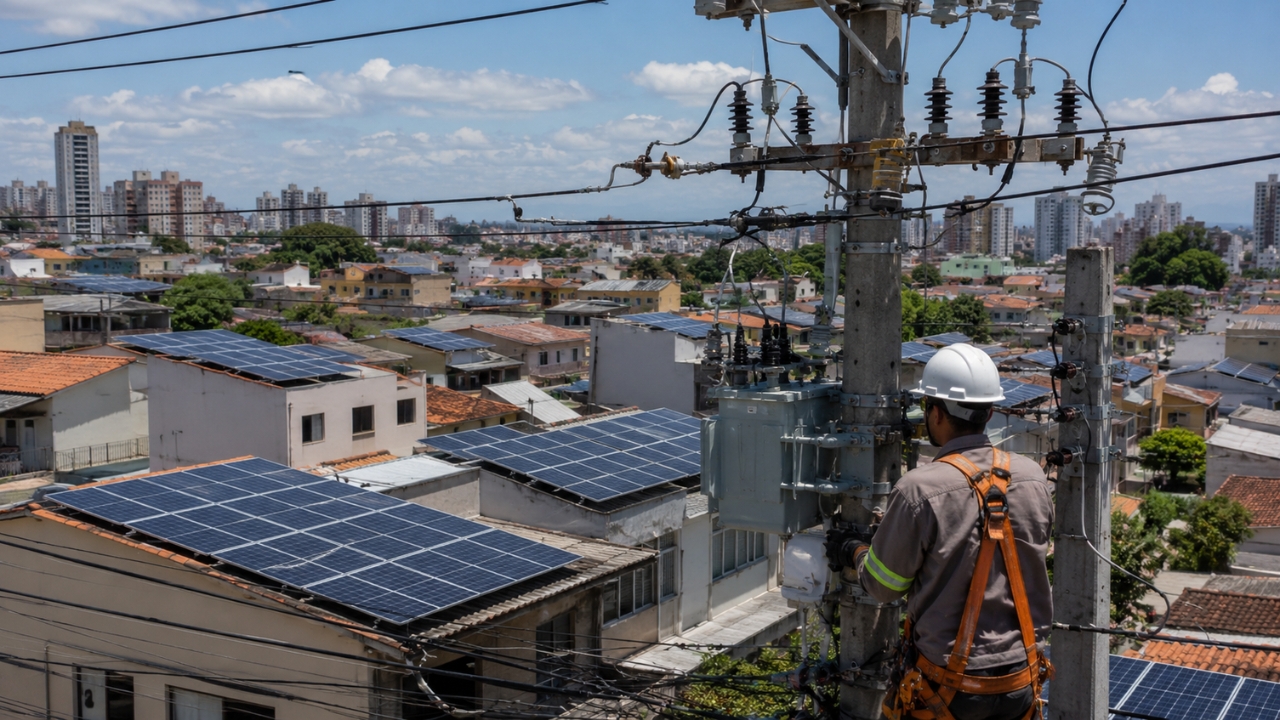
Surge in Solar-Powered Homes in Brazil Leads to Grid Strain and Connection Restrictions in Three States

-
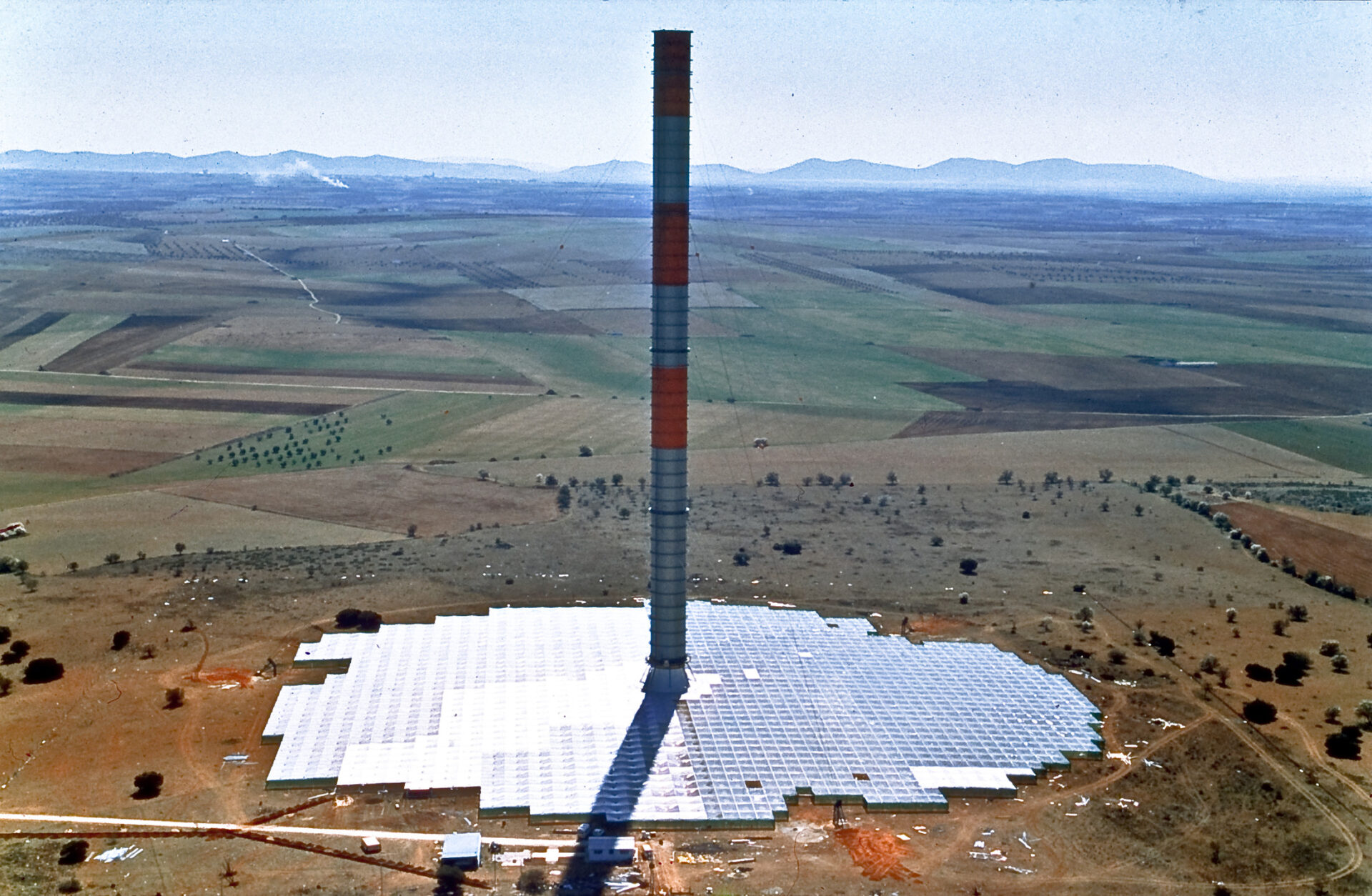
Solar Chimney in Spain Harnessed Sun to Generate Electricity for 7 Years Without Burning Fuel

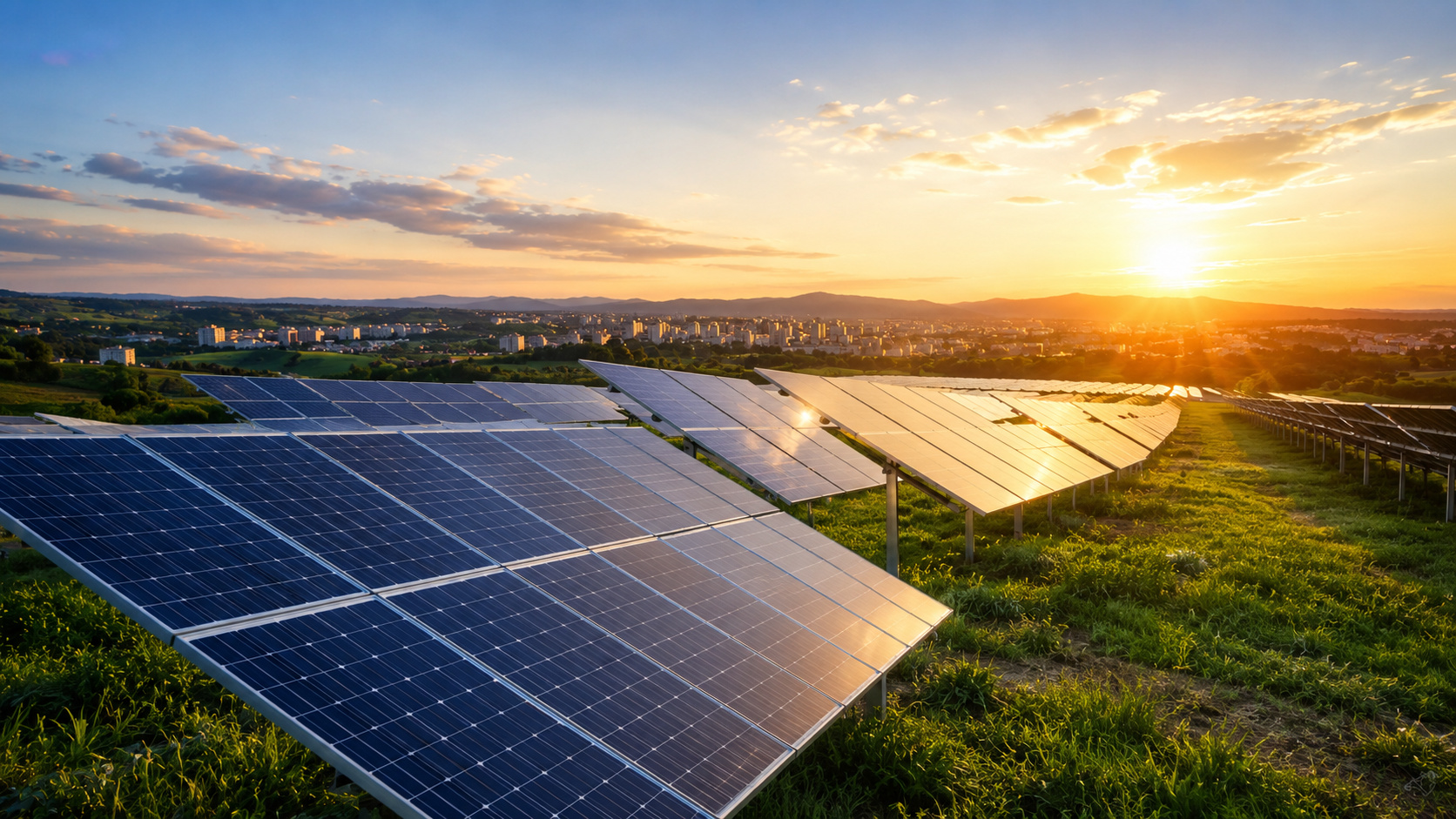
The distance between the ground and photovoltaic panels has been adjusted to about 2.5 meters, allowing ample space for people and machines to move easily, facilitating agricultural work. The Kubuqi Desert in China has several coal mines, the treated drainage water from the mines is channeled to the solar power base and is used to clean the photovoltaic panels and water plants.
Benefits of Photovoltaic Panels
According to the Xinhua news agency, solar panels can reduce groundwater evaporation by 20% to 30% while providing shade and reducing wind speed, allowing plants to grow and animals to utilize the space. Thus, in addition to generating energy, local solar projects have also proven useful in mitigating the frequent and intense sandstorms and desertification in the area.
The project used an innovative approach, with generating solar panels mounted on top, allowing plants to grow on the ground and small farm animals to graze beneath the equipment. To adapt to the challenging conditions of desert environments, innovations in photovoltaic panels have been introduced.
The photovoltaic modules use bifacial technology and high-efficiency cells that can capture sunlight from both sides, taking advantage of the high reflectivity of sandy surfaces to increase energy generation by about 8%.
Panels Have a Lifespan of 30 Years
The lifespan of the solar panels used in the Kubuqi Desert, China, has also been extended from 25 to 30 years after using dual-glass encapsulation materials. As mentioned above, the minimum clearance between the equipment and the ground has been adjusted to 2.5 meters, providing ample space for people and machines to move freely for agricultural work.
Standing beneath a set of solar panels in the village of Chaideng, Zhang Xiuling, deputy mayor of Ordos, states that by planting crops in the sand and covering them with solar panels, they are essentially creating a double-layer shield, keeping the shifting sands under control.
It is worth noting that solar energy in China accounts for one of the highest rates of change with the new energy solution, given that the country has committed to using 35% non-fossil fuels in its power matrix so that the environment is not compromised, being one of the leading solar energy producers in the world.







Vão tomar no cú.
No ritmo que cresce, logo vão precisar do terreno para construir prédios.