Portuguese
  Spanish


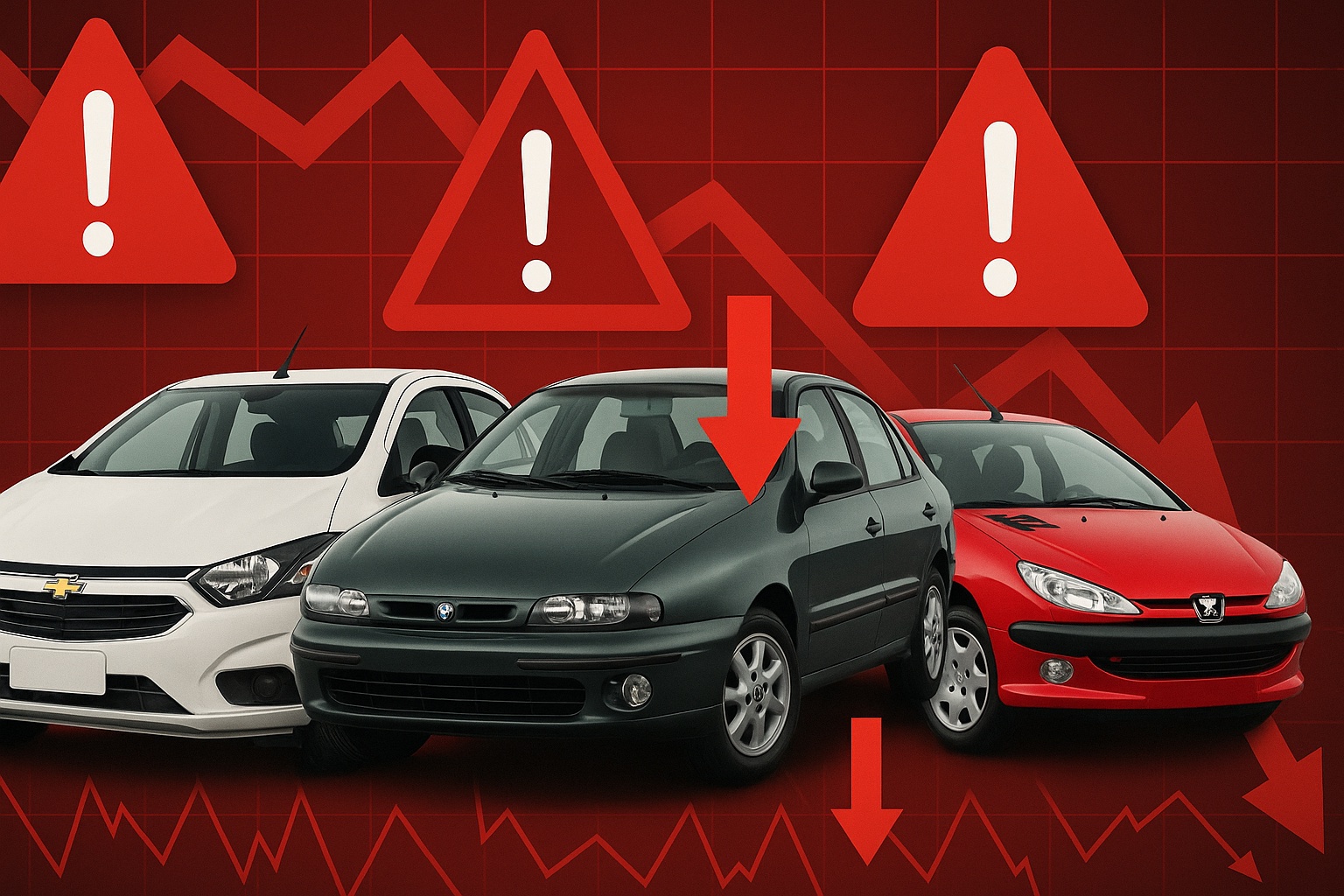


Discover The Cars That Plummeted In Sales Due To Recurring Defects. Models Like Chevrolet Onix, Fiat Marea, And Peugeot 206 Faced Problems That Shook Their Popularity And Consumer Confidence
The automotive industry is marked by innovation, performance, and reliability. However, when technical problems become recurring, even popular models can lose strength in the market. Among the most well-known cases are the Fiat Marea, Peugeot 206, Ford Focus Powershift, Volkswagen Golf with DSG transmission, and Chevrolet Onix. These vehicles experienced a drop in sales after the revelation of flaws that compromised consumer trust and directly affected the reputation of the brands.
Why Cars With Recurring Defects Suffer Immediate Impact On Sales
Recurring technical failures are one of the main reasons automotive models lose sales rapidly. Consumers become cautious, maintenance costs increase, and the perceived value of the vehicle is shaken. Vehicles that exhibit chronic problems frequently face a drop in sales, as recurring failures affect consumer trust and brand reputation.
Furthermore, frequent recalls and lawsuits increase media attention and reinforce negative perceptions among potential buyers. Therefore, even popular cars like the Chevrolet Onix can lose market space when consumer trust is compromised.
-
Sales of Brazil’s Cheapest Electric Car Halted Before First Deliveries: E-Motors Suspends Emova Easy Due to Import Tax Increase and Rising Freight Costs

-
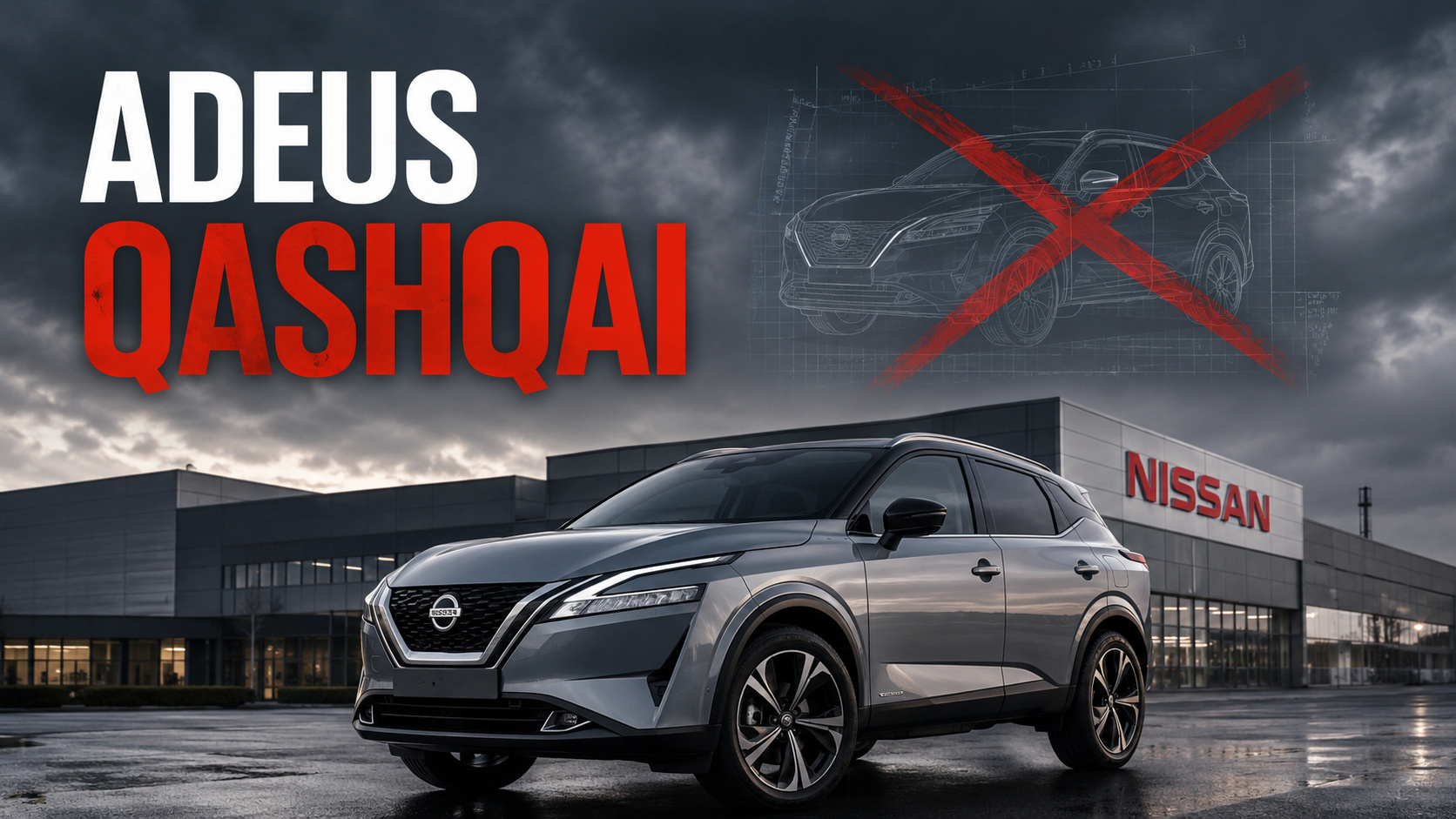
Nissan Discontinues Qashqai SUV Amid Cost-Cutting, Chinese Competition, and Product Line Review

-
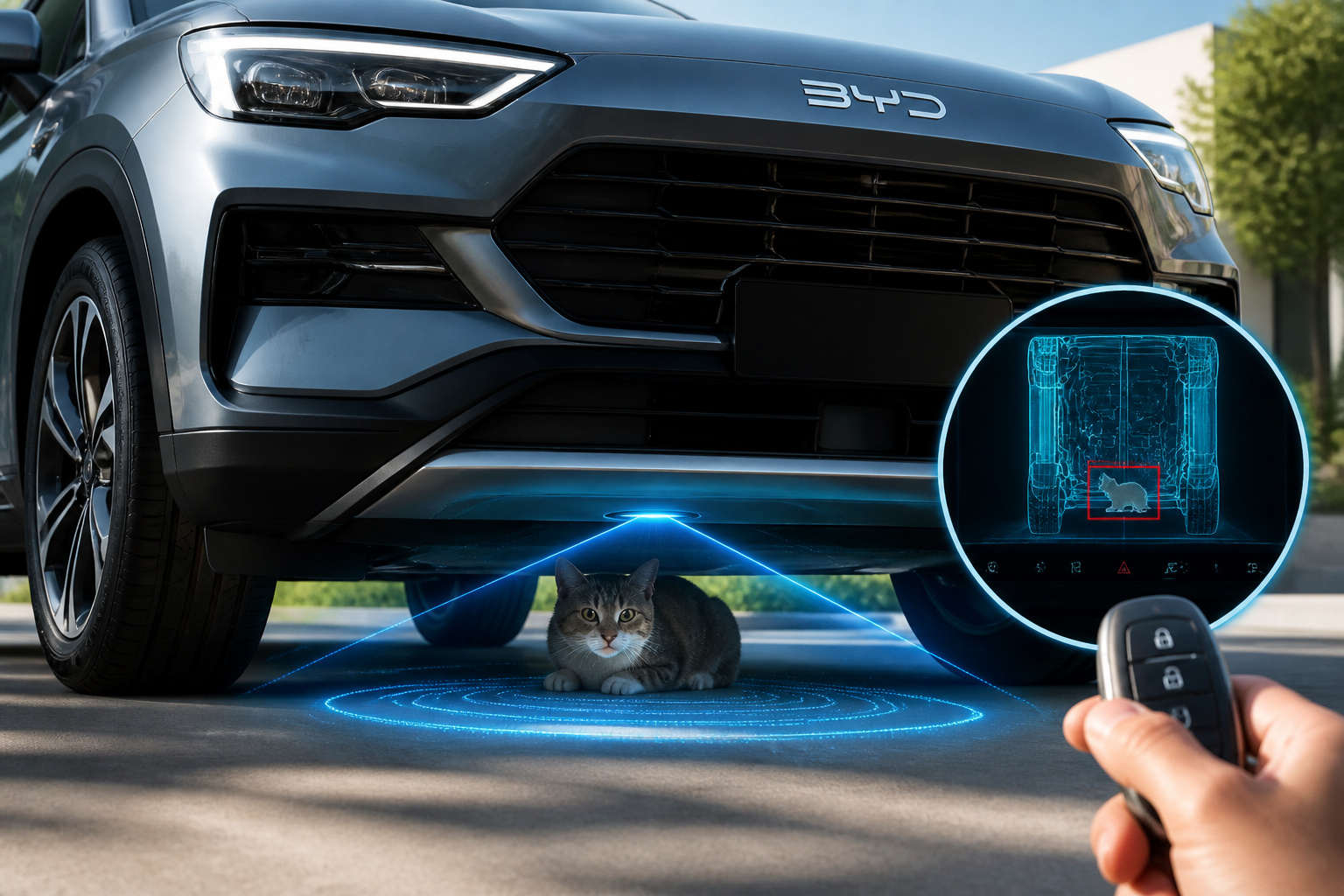
BYD Patents Revolutionary System Using Computer Vision to Detect Animals Under Cars Before Starting, Preventing Tragedies

-
Study Reveals Why Cars Are More Expensive to Produce and Buy in Brazil Compared to Mexico, Highlighting Taxes, Logistics, and Industrial Costs as Key Factors.


Fiat Marea: Transmission And Engine As Villains Of Sales
The Fiat Marea, launched in Brazil in 1998, quickly won consumers with comfortable sedan versions and powerful engines. However, chronic problems affected its reputation:
- Dualogic Transmission with Failures: gear shifting was slow or irregular, creating difficulties in daily driving.
- Premature Engine Wear: especially in the 2.0 versions, there was excessive oil consumption and risk of overheating, increasing maintenance costs.
The Fiat Marea experienced an impact on sales after reports of recurring failures emerged, illustrating how technical problems can affect consumer trust. The combination of issues with the transmission and engine eventually drove away consumers who previously considered the model a reliable option.
Peugeot 206: Sales Drop Due To Electrical And Suspension Failures
The Peugeot 206 was a sales success in the 2000s but presented defects that directly affected its popularity:
- Electrical Problems: failures in the dashboard, headlights, and lighting system generated dissatisfaction among owners.
- Suspension And Steering: accelerated wear on front components hindered drivability and required frequent maintenance.
The Peugeot 206 faced a decline in popularity after reports of electrical failures and suspension problems surfaced, showing how recurring defects can affect consumer confidence. Consumers began to search for more reliable alternatives from other brands, highlighting how cars with recurring defects can be quickly penalized in the market.
Ford Focus Powershift: The Risk Of Advanced Technology Poorly Implemented
The Ford Focus Powershift exemplifies how the introduction of technology without proper adjustments can impact sales:
- Problematic Automated Transmission: the dual-clutch system exhibited jolts and shakes, particularly at low speeds.
- Premature Clutch Wear: increased maintenance costs and decreased customer satisfaction.
The combination of these factors resulted in recalls and lawsuits, generating a direct impact on Ford’s image and a drop in sales of Powershift models between 2013 and 2018. This case demonstrates that innovations need to be thoroughly tested to prevent cars that plummeted in sales from being associated with technological failures.
Volkswagen Golf DSG: Sophisticated Technology With Reliability Issues
The Volkswagen Golf with DSG transmission was an example of innovation that suffered from chronic problems:
- Transmission Failures: jerks and hesitations during gear changes compromised the driving experience.
- Expensive Maintenance: repairs required imported parts, raising the total cost of ownership and driving away potential customers.
Even as a premium hatchback, the Golf DSG lost ground to competitors that offered greater mechanical reliability. Among consumers, the negative perception of defects contributed to a sales downturn in strategic markets, including Brazil.
Chevrolet Onix: Popularity Threatened Despite Sales Success
The Chevrolet Onix, a sales leader for several years, also faced chronic problems that affected its acceptance:
- Defects in Infotainment System and Engine: some versions experienced failures that hindered connectivity and performance.
- Recalls and Consumer Dissatisfaction: corrective measures were implemented, but public trust was temporarily shaken.
This episode shows that even popular models widely accepted in the market can face significant sales declines when they feature cars with recurring defects. However, GM managed to recover part of the market with updates in subsequent versions.
Cars That Plummeted In Sales: Impact On The Automotive Market
The analysis of these five models highlights that cars that plummeted in sales share common factors: recurring technical problems, expensive maintenance, and consumer dissatisfaction. The main lessons for the automotive sector include:
- Prioritize Quality And Reliability: well-tested and reliable vehicles maintain consistent sales and a positive reputation.
- Monitor Consumer Feedback: complaints should be addressed quickly to avoid damage to brand image.
- Invest In Efficient Recalls: resolving technical failures swiftly can minimize sales declines and restore trust.
Additionally, consumers should research the history of problems and recalls before purchasing a vehicle, ensuring that the investment is safe and that the chosen model offers good durability.
What The History Of These Cars Teaches Consumers
Fiat Marea, Peugeot 206, Ford Focus Powershift, Volkswagen Golf DSG, and Chevrolet Onix demonstrate that recurring defects can undermine even the most popular models. For buyers, the main lesson is to evaluate:
- Maintenance And Recall History: information available on official websites and specialized forums helps identify potential issues.
- Repair And Parts Costs: models with expensive maintenance can compromise the vehicle’s cost-effectiveness.
- Experience Of Other Owners: testimonials and user reviews reveal flaws that may not always show up in magazine tests or marketing.
These measures help minimize risks and ensure that consumers make safer and more informed choices. This overview highlights that the success of a car depends on both innovation and reliability. Chronic problems can drastically reduce sales, affect brand reputation, and generate high costs.
The experience of models like Fiat Marea, Peugeot 206, and Chevrolet Onix reinforces that attention to quality and consumer support are essential for maintaining market trust.