






 Portuguese
  Spanish


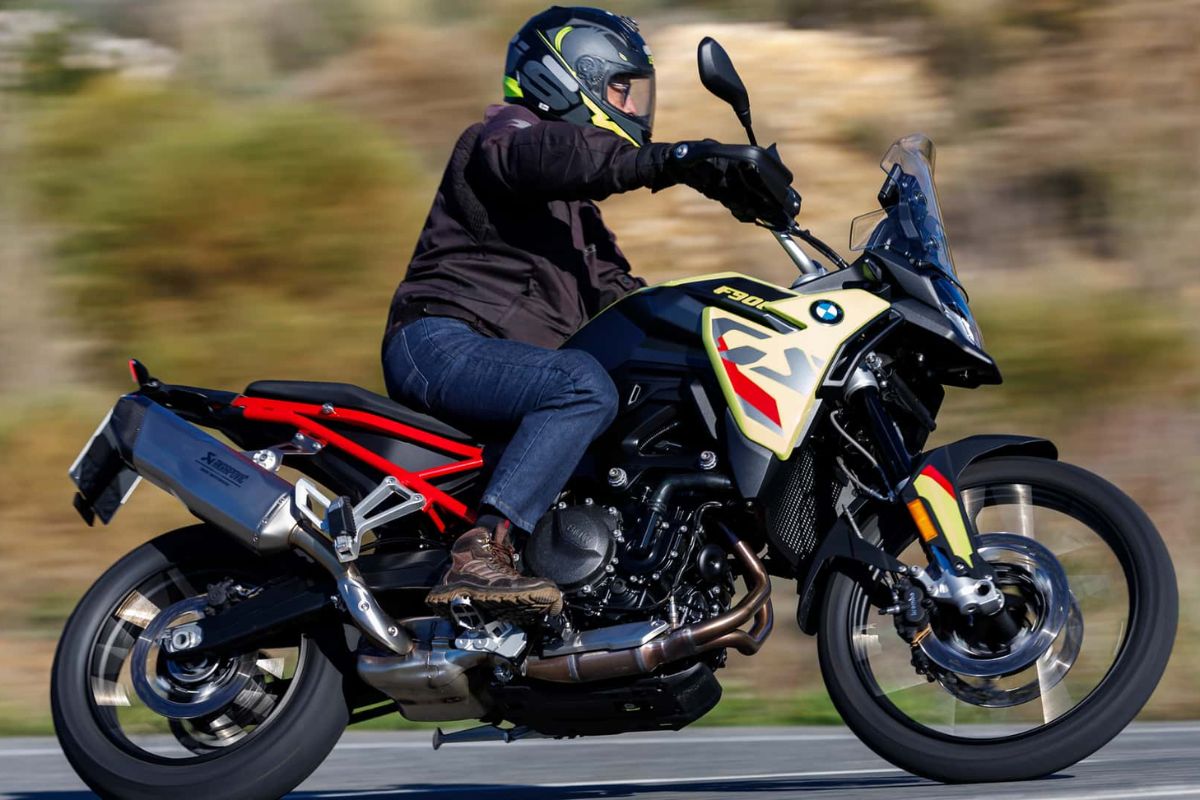


We Evaluated Every Detail of the New BMW Adventurer, From the Connected TFT Display to the Off-Road Riding Modes.
BMW Motorrad has just redefined the rules in the fierce segment of premium big trails in Brazil. With the launch of the new BMW F 900 GS 2025, the German brand not only updates its adventurer, but completely reinvents it, aiming directly at the jugular of its main competitor, the Triumph Tiger 900. The new bike has shed weight, become more powerful, and, most importantly, received a technological arsenal worthy of its larger 1300cc siblings.
But what does all this technology mean in practice for those dreaming of exploring the most challenging roads and terrains in Brazil? We delved deep into the specifications of the F 900 GS, analyzed its optional packages, and compared its attributes to understand if the new German adventurer has what it takes to be the new queen of the category.
What Comes in the Enduro Pro Package of the F 900 GS?
BMW offers the F 900 GS in a modular configuration, where the optional packages define the bike’s personality. The most complete and off-road focused is the Enduro Pro. This package includes a raised handlebar for more comfortable standing riding, fully adjustable Showa front suspension in gold, and the M Endurance chain, which features a special coating for greater durability and lower maintenance.
-
New Spanish Engine with Just 500cc Promises Power of 2,000cc, Is 70% Lighter, Crankshaft-Free, Seeks $14 Million to Exit Testing by 2026

-
Nissan Versa Offers Surprising Space and Comfort for Under $10,000, Impressing with Japanese Engineering

-
Changan Hunter K50 REEV: New Hybrid Pickup with 1,031 km Range and 4×4 Drive Set to Launch in 2026

-
Brazilian Company Unveils 3.3-Meter Foldable Micro Capsule: Inflates in Under Two Minutes, Fits Small Spaces, and Includes Bed, Table, and Outdoor Shower


In addition to this, two other packages are crucial. The Dynamic package includes Dynamic ESA (electronic adjustment of the rear suspension) and the Pro Riding Modes (Dynamic, Enduro, and Enduro Pro), which alter throttle response, traction control, and ABS. The “Active” package adds items like the quickshifter, which allows gear changes without using the clutch, and cruise control.
Is Seat Height a Problem for Shorter Riders?
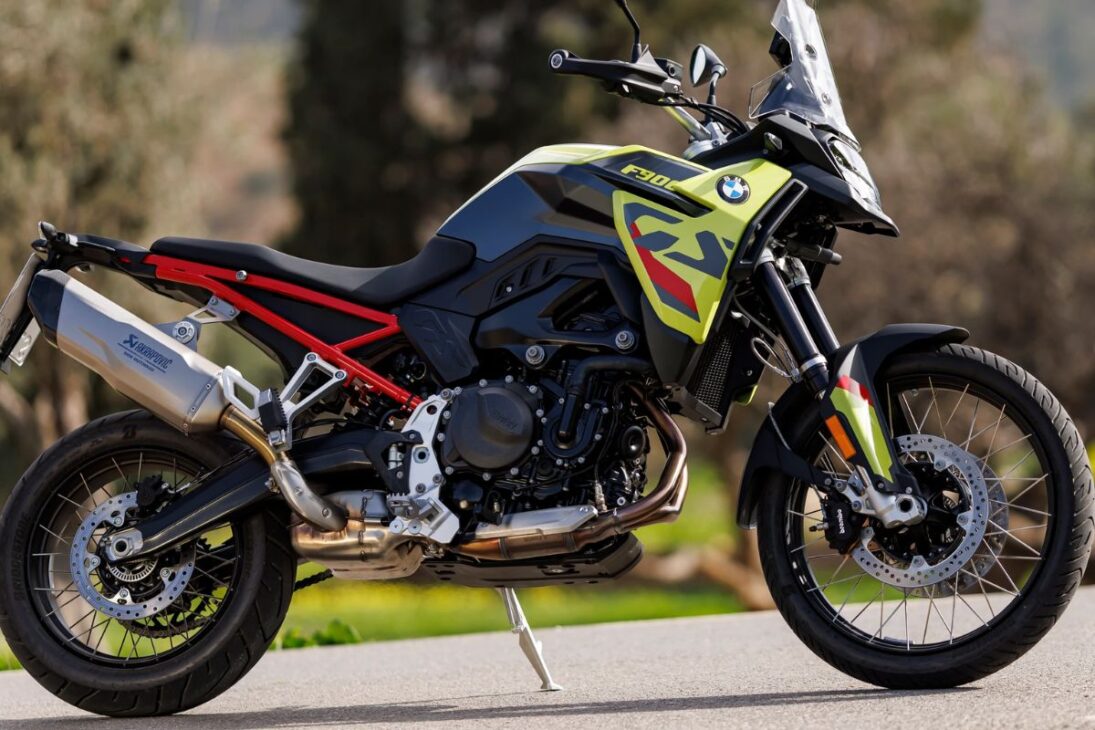
One of the main concerns with big trail category bikes is seat height. The BMW F 900 GS has a standard seat height of 870 mm, which can be a challenge for riders under 1.75 m tall. The higher suspension and longer travel, ideal for off-road, are responsible for this measurement.
However, BMW offers solutions to mitigate the problem. It is possible to purchase a low seat as an optional accessory, which reduces the height by a few centimeters, or even a suspension lowering kit, although this may slightly alter the bike’s dynamics. The ideal is always to perform a test ride to determine if the height is a real impediment for your body type.
How Much Does the Maintenance of the BMW F 900 GS Cost in Brazil?
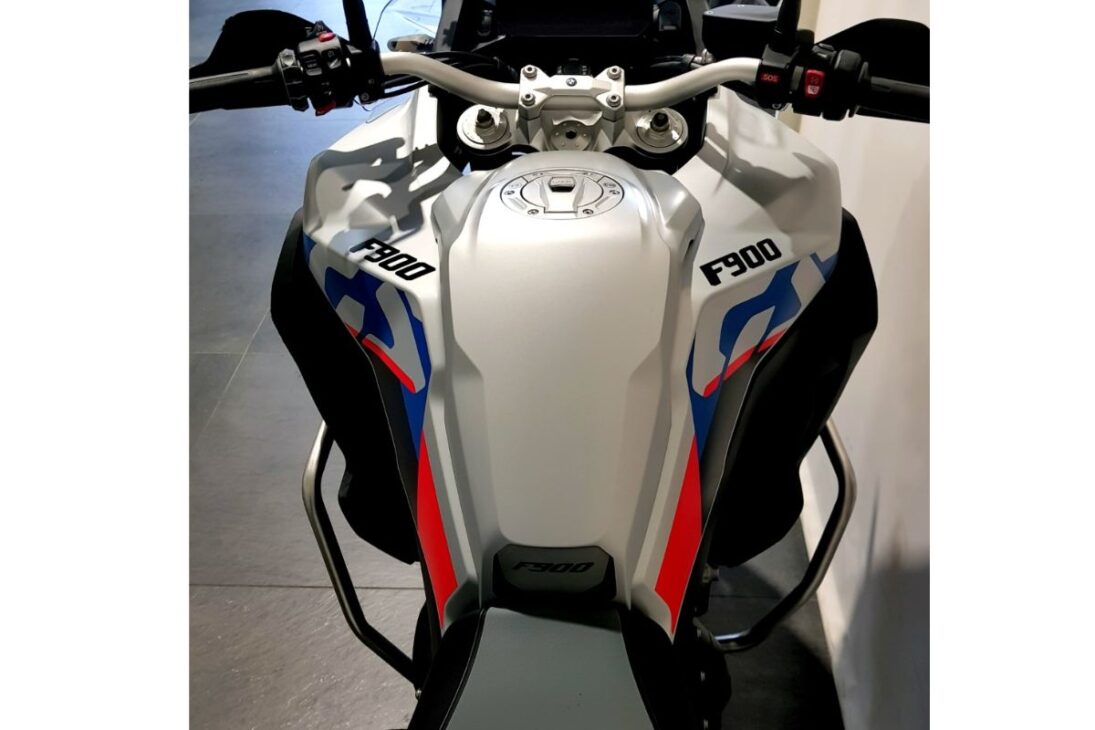
Maintenance cost is a decisive factor in purchasing a premium motorcycle. BMW operates a fixed-price maintenance program for most of its models, which provides more predictability for the owner. The first maintenance of the F 900 GS occurs at 1,000 km and is generally a courtesy of labor from the dealership.
The first major maintenance, at 10,000 km, which involves an oil change, filter, and a complete check, has a cost that varies, but the market average for models in the BMW F series ranges from R$ 1,500 to R$ 2,000, depending on the dealership and the region of the country. This is a cost aligned with the premium motorcycle segment.
Is It Better Than the Triumph Tiger 900?
This is the question that defines the purchase. The battle F 900 GS vs Tiger 900 is a classic case of opposites attracting. The Triumph Tiger 900 Rally Pro, its main competitor, bets on the linearity and torque of its three-cylinder engine, offering a smooth and predictable ride.
The evaluation of the BMW F 900 GS, on the other hand, reveals a bike with a more explosive personality and a greater focus on cutting-edge technology.
Engine: the BMW’s two-cylinder engine delivers its 105 hp in a more aggressive and vibrant manner, favored by those seeking more excitement.
Technology: BMW takes the lead with the Dynamic ESA, the electronically adjustable rear suspension, a feature that the Tiger does not offer in this version. The BMW’s TFT display is also a benchmark in connectivity.
Weight: the F 900 GS is slightly lighter, which makes it, in theory, more agile on rough terrains.
The final choice rests on the rider’s profile. The Tiger 900 is the choice for reason and comfort for long trips. The F 900 GS is the choice for excitement and cutting-edge technology.
If money were no object, would you choose the BMW F 900 GS or the Triumph Tiger 900 for a trip through South America? Vote and justify in the comments!






BMW
BMW, sem dúvida.
Bmw com certeza