






 Portuguese
  Spanish


Strategic Resources Gain Spotlight in the Clean Energy, Technology and Security Industry
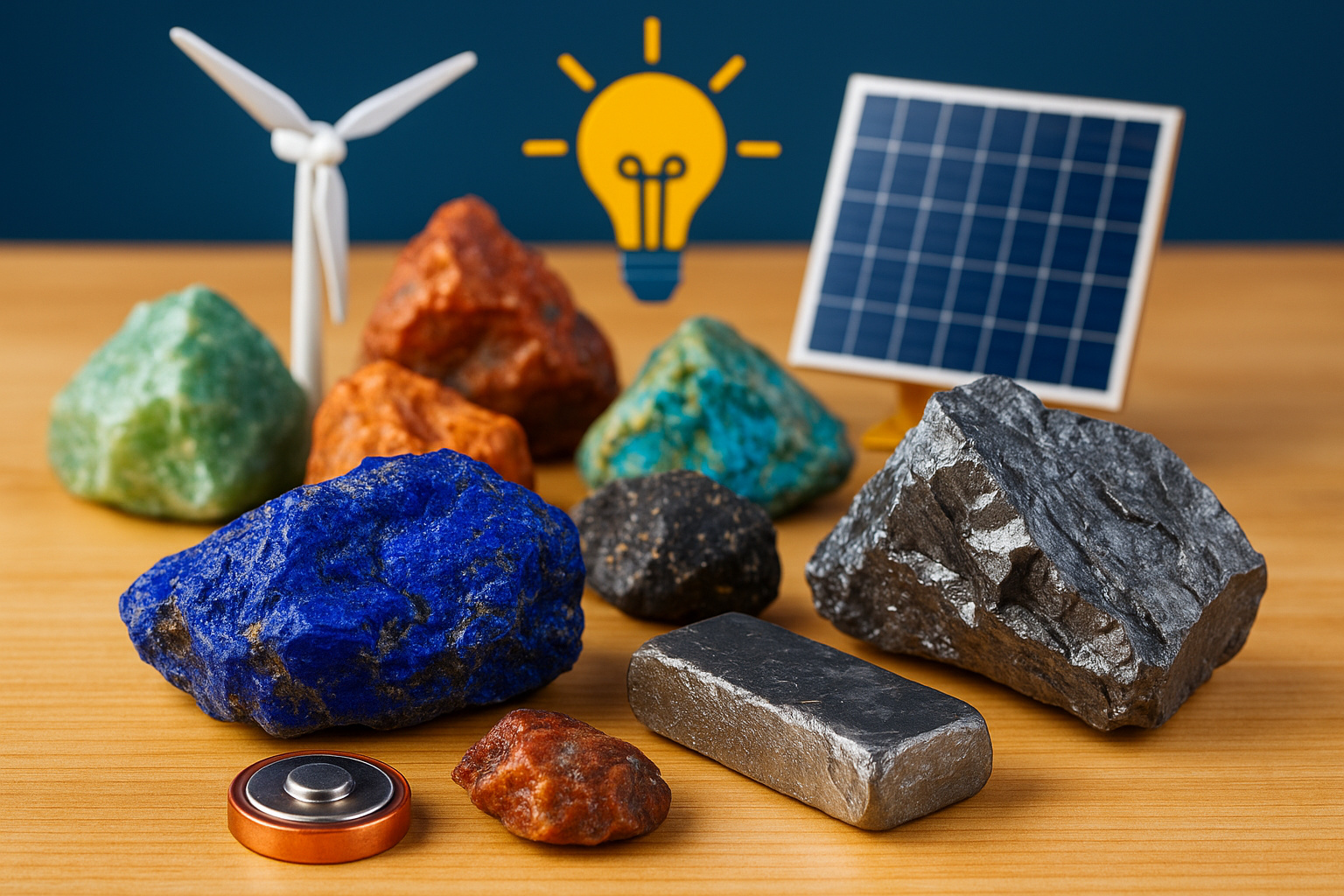
Critical minerals, such as lithium, cobalt, nickel and rare earths, have become protagonists in the global economic scenario.
They are essential for the manufacturing of electric vehicle batteries, wind turbines, solar panels, and semiconductors.
With the advancement of the energy transition and the increase in global digitalization, the demand for these elements is growing steadily.
This raises alerts about the dependence on a few suppliers and the risks of scarcity.
Countries and economic blocs have been adopting measures since 2020 to reduce vulnerability in the supply chain of these strategic inputs.
-
China could reduce iron ore imports from 80% to 50% of consumption by 2030, while its share in global steel production falls from 52% to 46%, in a shift that could reshape the global market, says CMRG.

-
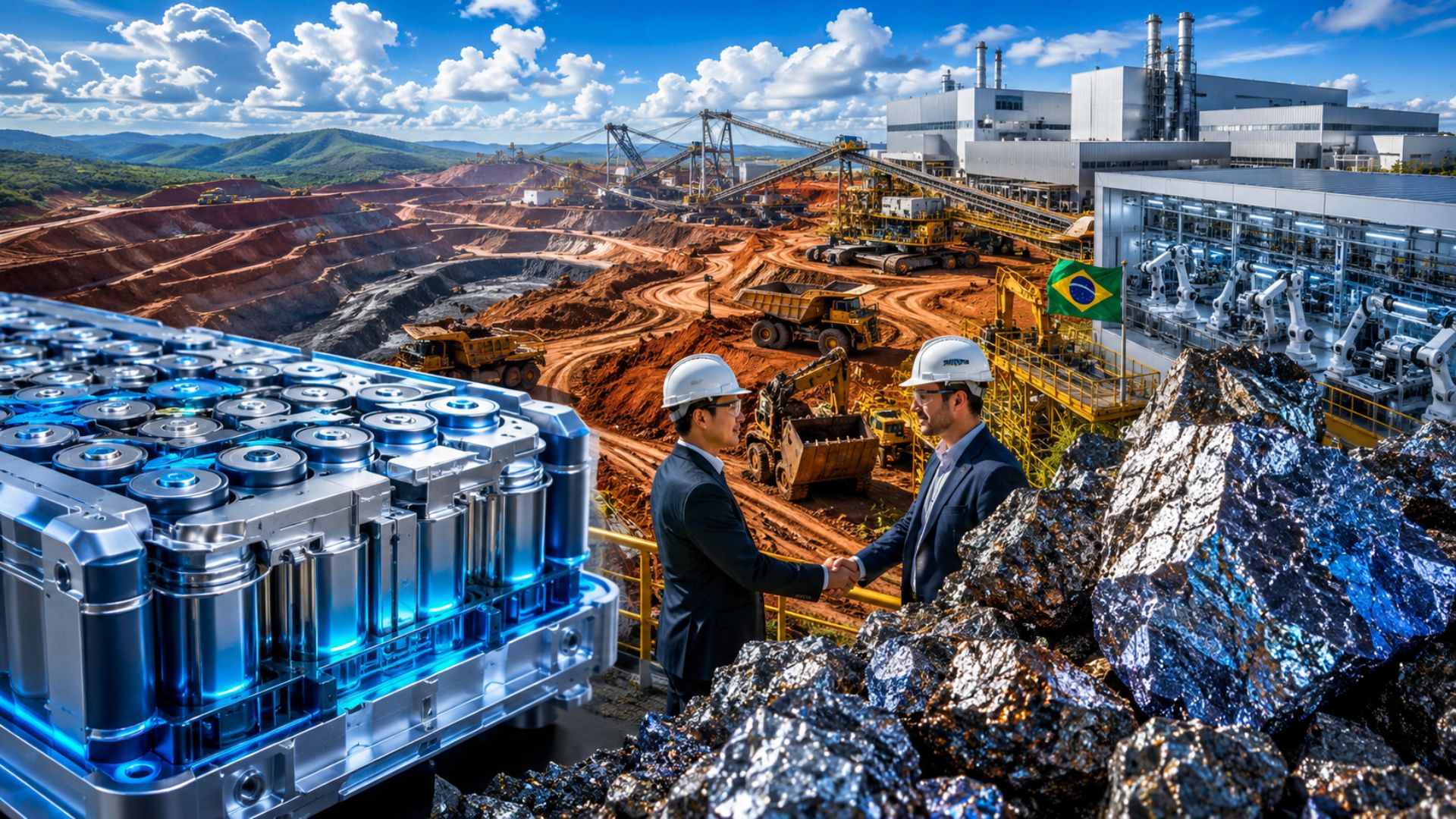
Brazil is sitting on one of the largest lithium reserves in the world, in the Jequitinhonha Valley, but national mining has almost become an appendage of China: 97% of the metal’s export goes to a single country, which also dominates refining.
-
Iron ore falls to 762 yuan in China as real estate sales decline and steel production hits lowest level since 2018
-
Brazil has minerals, clean energy, and a waiting market, but it could miss a billion-dollar opportunity if it doesn’t speed up the race for green minerals, while the steel industry seeks to reduce emissions.


Limited Supply Puts Economic Security on Alert
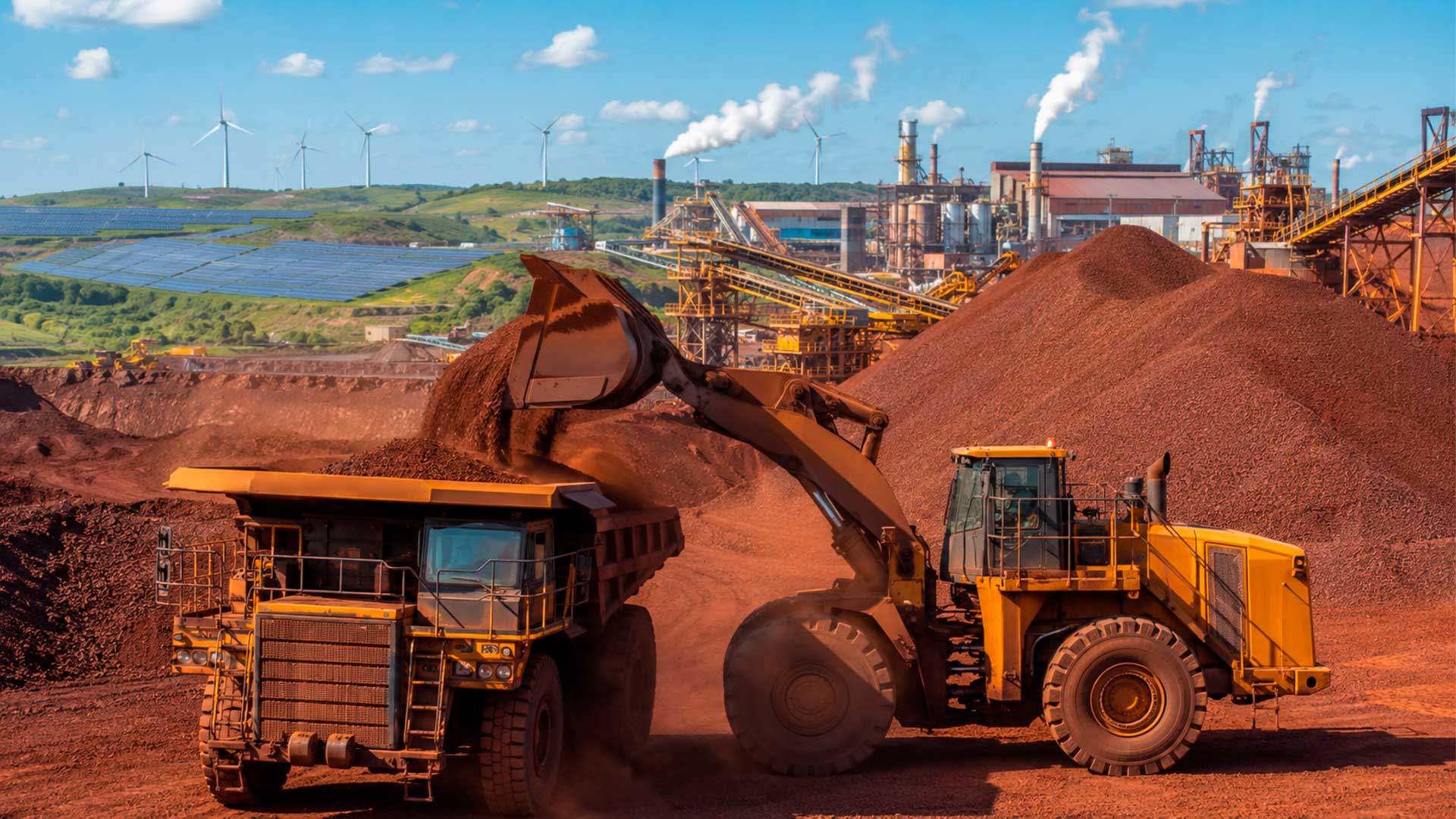
Although the market for critical minerals has shown strong expansion, the supply is still concentrated in a few countries.
China dominates the production of rare earths, accounting for more than 60% of the global total, according to the International Energy Agency (IEA) in a 2023 report.
This increases the vulnerability of other economies, especially in the defense and high technology sectors, where these minerals are irreplaceable.
Moreover, extraction and refining involve environmentally delicate processes, which impose additional challenges.
Diversifying global production with sustainability has become one of the top goals of major economies in recent years.

Demand Growth Drives Global Policies
The race for renewable sources, such as solar and wind, and for the electrification of urban mobility has caused the demand for lithium and cobalt to quadruple since 2015.
The World Bank warned in 2022 that to meet global climate targets by 2050, current production of these inputs will need to be multiplied by six.
Several countries, including the United States, Canada, Australia, and members of the European Union, have structured national plans to explore and refine critical minerals.
These actions strengthen local productive chains and reduce external dependence.
Sustainability and Geopolitics Influence Strategic Decisions
Beyond economic importance, critical minerals play a central role in geopolitical strategies.
Energy security and dominance over technological production chains have become priorities for various nations.
Governments, such as that of the USA, classified these minerals as national security assets in 2021.
At the same time, there is a growing demand for extraction processes with lower environmental impact, which drives investments in clean mining.
There are also incentives for a circular economy, allowing for the reuse of materials throughout the value chain.
Technological Innovation Depends on Stability in the Supply Chain
The advancement of artificial intelligence, semiconductors, and the Internet of Things directly depends on these resources. In addition, nickel and rare earths are crucial for electronic components and high-performance electric motors.
However, shortages or disruptions in the supply of these minerals can compromise the development of entire sectors. For this reason, companies and governments have been accelerating bilateral partnerships and multilateral agreements since 2023.
Thus, these actions aim to ensure a stable, sustainable, and ethical supply of these elements, which are essential for the economy of the future.







Be the first to react!