Portuguese
  Spanish


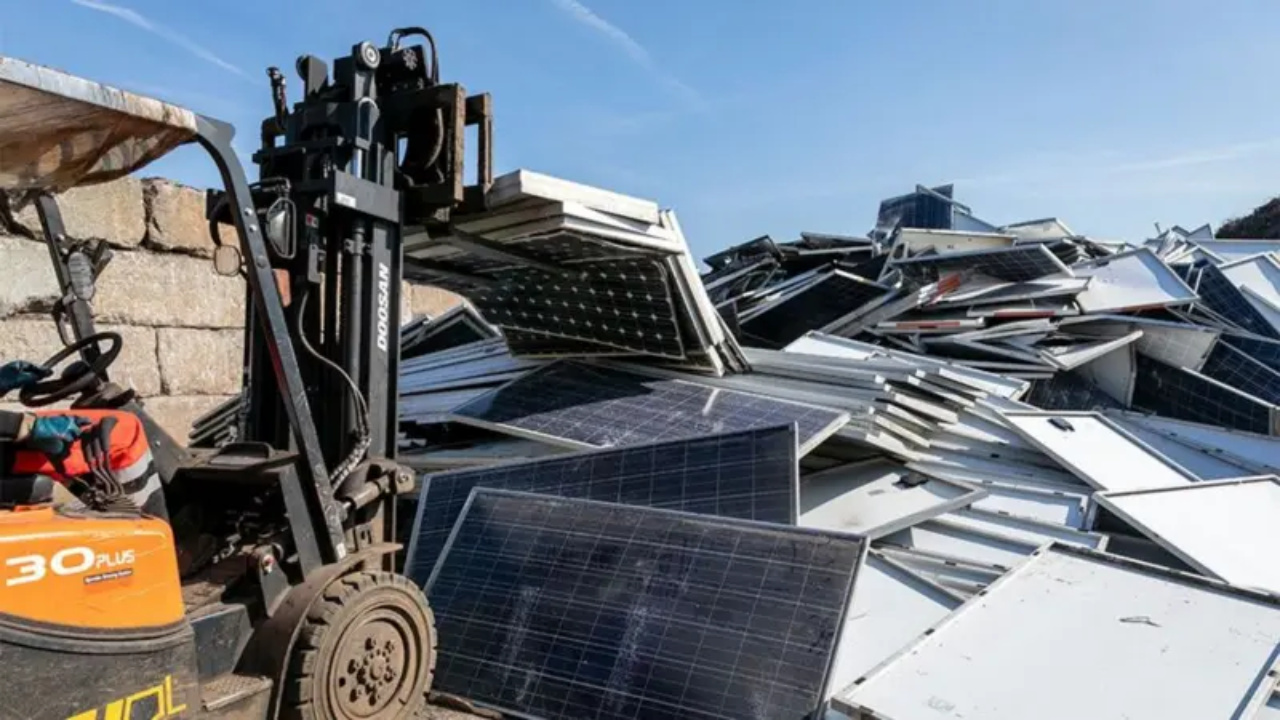


Energy Transition Boosts Solar Energy in Brazil, but Experts Warn of Increasing Discard of Modules and the Lack of a Structured Recycling Chain. Understand the Challenges, the Data, and the Alternatives Under Discussion.
Solar energy has become one of the pillars of the energy transition in Brazil. However, as technology advances and systems age, a challenge that has yet to be explored arises: the destination of photovoltaic modules at the end of their useful life.
Although the country is expanding its installed capacity year after year, the discussion about recycling or repurposing panels is still progressing slowly. And, as experts explain, the volume of waste is growing at an accelerated pace.
Solar Sector Matures, but Recycling Chain Remains Limited
To understand the current scenario, Canal Solar spoke with Everton Gois, an electrical engineer and founding partner of Solar 55, one of the pioneering companies in the country in the treatment of photovoltaic waste. He describes the Brazilian stage of recycling as “embryonic,” just as it occurs in much of the world.
-
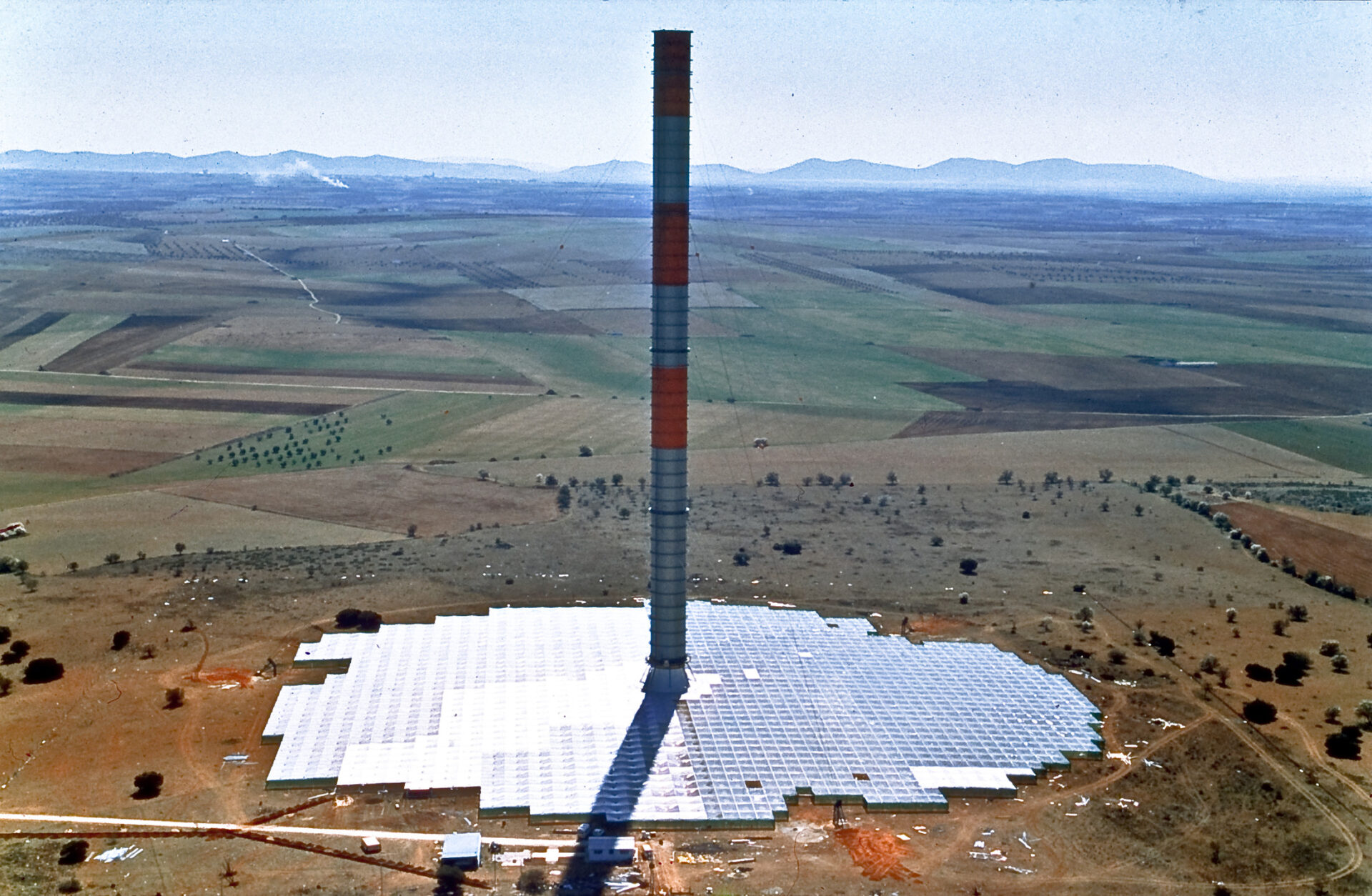
Solar Chimney in Spain Harnessed Sun to Generate Electricity for 7 Years Without Burning Fuel

-
Solar energy reaches 55 GW, becoming the second largest power source in Brazil’s energy mix

-
Solar energy can increase property value by up to 10% and become a selling point.
-
Solar and wind energy surpass natural gas for the first time in the world and accelerate energy revolution



According to Gois, the real recycling rate is still well below what is necessary. “Today, it is estimated that only about 10% of the panels are actually being recycled and diverted from landfills. We estimate that the recycling percentage matches the national average of solid waste at around 4%,” he explained.
Meanwhile, markets like the United States and the European Union are making progress with strict targets and specific legislation. In the European continent, for example, the directive establishes up to 80% recycling of discarded modules.
In Brazil, however, many panels continue to be treated as regular scrap, which compromises the repurposing of valuable materials and exacerbates environmental impacts.
A Time Bomb: Tons of Waste Accumulate Quickly
Reports from the IRENA (International Renewable Energy Agency) project that Brazil will accumulate between 3,000 to 8,000 tons of solar waste by 2030. Globally, this volume could exceed 80 million tons by 2050.
Gois notes that the problem is likely to intensify rapidly:
“It is important to emphasize that this is still a preliminary phase of disposal. The great tsunami of waste will occur between 2045 and 2055, when most of the modules currently in operation will reach the end of their useful life of 25 to 30 years.”
The engineer also highlights that the country does not even have a structured chain, pointing out logistical obstacles and the lack of awareness among installers and companies.
Between Recycling and Repurposing: Which Solution Is More Efficient?
Although repurposing seems like a more economical and immediate alternative, experts caution about its limits. According to Gois, modules that have structural defects can become dangerous.
“Cracks in the glass can create hot spots in the cells, compromising performance and, in extreme situations, even posing a fire risk due to overheating,” he stated.
This scenario makes recycling an inevitable path, especially given the exponential growth of the sector. Countries like Germany and the United States are already advancing with robust private initiatives, while the European Union relies on the WEEE Directive, which legally holds manufacturers accountable for the lifecycle of their equipment.
For Gois, this is the way toward a truly sustainable solar sector:
“The recycling of photovoltaic modules should be seen as a natural and necessary stage within the solar market chain.”
Regulation: The Missing Pillar to Boost Sustainable Solutions
International experience shows that the existence of clear rules accelerates the creation of logistics chains and encourages the development of recycling technologies. In Europe, the WEEE Directive requires a minimum collection rate of 85% of the equipment placed on the market and a minimum recovery rate of 80%.
In Brazil, although the country already has applicable legal tools, such as the National Solid Waste Policy (Law No. 12.305/2010) and Decree No. 10.240/2020, it still lacks direct regulation focused on solar modules.
Gois emphasizes that, in practice, the disposal ultimately falls on the end consumer, who faces high costs and a scarcity of collection points. The sector, according to him, still operates without specific guidelines that ensure shared responsibility among manufacturers, distributors, and integrators.
To change this scenario, the engineer advocates for a more active role from the companies that are part of the production chain:
“It is up to manufacturers, distributors, and integrators to structure and finance reverse logistics systems, including the creation of receiving points, covering transportation costs, and ensuring the correct final disposal.”
Solar Energy and Circular Economy: Challenges and Opportunities for Brazil
The advancement of solar energy in Brazil opens doors to a cleaner and more efficient future. However, for the sector to maintain its sustainability, the country urgently needs to address the management of photovoltaic waste. The debate on repurposing, reverse logistics, manufacturer responsibility, and robust regulatory frameworks must gain momentum in the coming years.
And, as experts warn, the sooner this structure is created, the smaller the environmental impact produced by the technology that symbolizes the Brazilian energy transition.