Portuguese
  Spanish


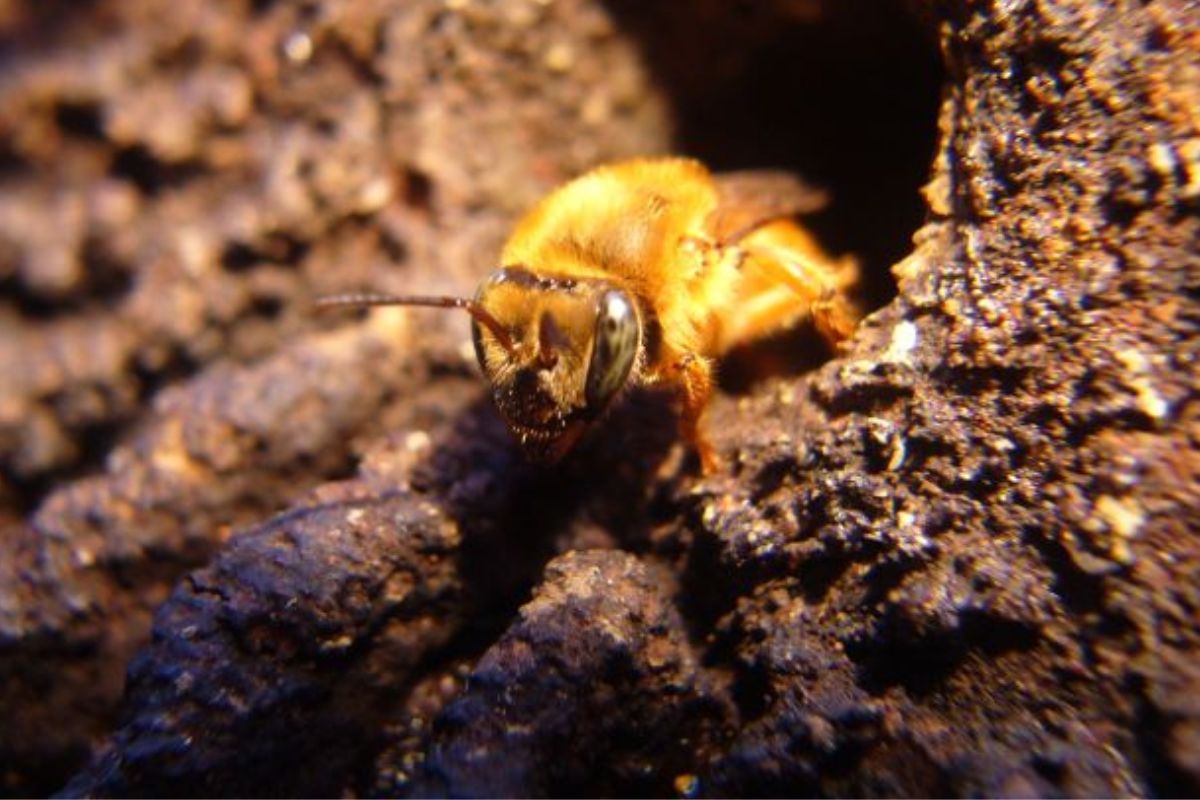

The Events On Bee Keeping In Florianópolis Combine Research, Sustainability, And Technical Training, With Lectures, Workshops, And An Open Fair To The Public In Early November
The keeping of stingless bees will once again mobilize Florianópolis on November 6, 7, and 8, with two major events focused on zootechnical meliponiculture: the 6th Santa Catarina Meeting of Zootechnical Meliponiculture (ECAMZOO) And the 2nd National Symposium on Zootechnical Meliponiculture, according to a report published.
The activities will take place at Epagri and the Center for Agricultural Sciences (CCA) of the Federal University of Santa Catarina (UFSC), in the Itacorubi neighborhood, and are open for public registration, including students, breeders, researchers, and enthusiasts.
Meliponiculture, a practice dedicated to the rational management of stingless bees, is gaining increasing prominence in agribusiness and urban sustainability as it combines environmental preservation and income generation.
-
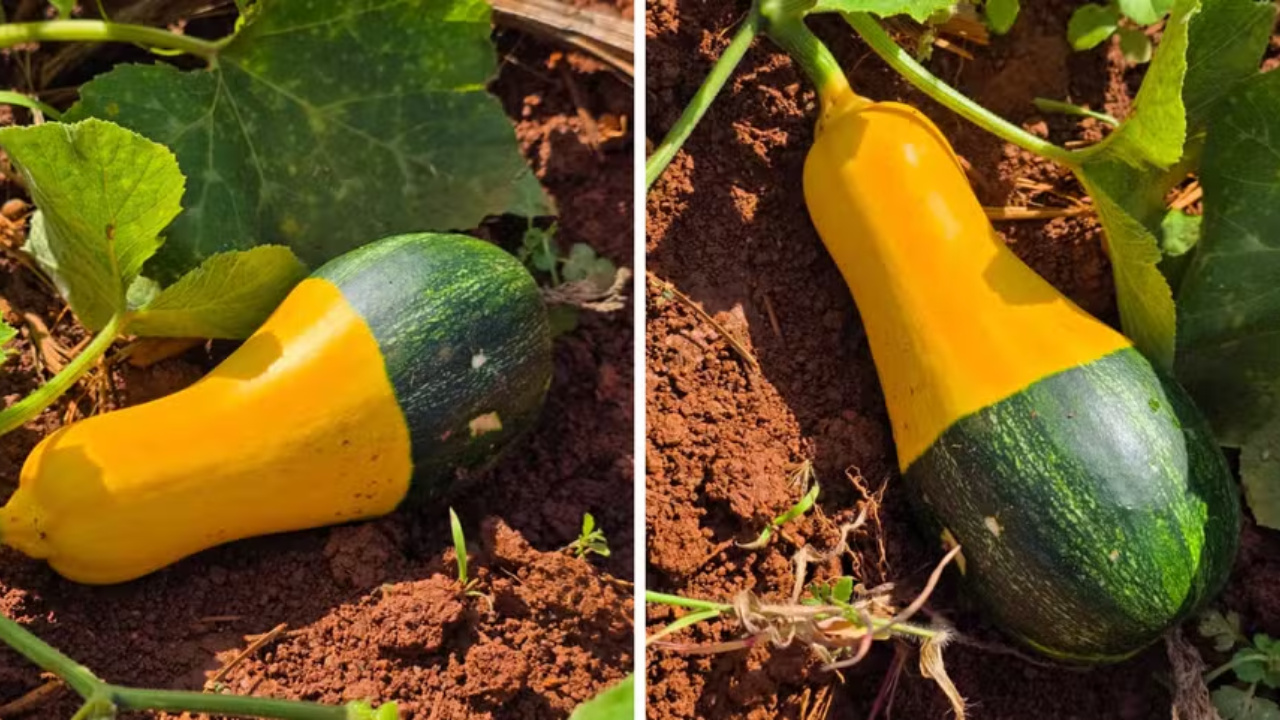
Bicolor Pumpkin Resembling Hand-Painted Art Discovered by Brazilian Researchers in the Capital Due to “Spontaneous Mutation”

-
In China, a 26-story building produces 1.2 million pigs annually, revolutionizing livestock farming with tube feeding and AI surveillance.

-
With Nearly 60% Desert, Israel Desalinates Seawater and Recycles 90% of Wastewater to Build a Billion-Dollar Agricultural Powerhouse in Dates and Cotton
-
74-Hour Barbecue in Brazil Sets World Record: 3.4 Tons of Meat, 10,500 Meals Served




In Florianópolis, the theme transforms into a showcase for innovation and ecotourism, strengthening the network of producers and environmental educators in the region.
Meliponiculture And Environmental Education As A Foundation For A Sustainable Future
The first day of the event, November 6, marks the inauguration of the meliponary at CCA/UFSC, resulting from a partnership between the university and the Santa Catarina Society of Meliponiculture (Somesc), responsible for donating the colonies.
The structure, open to public visitation, will serve as a research and learning center focused on bee keeping, particularly aimed at children’s environmental education.
Elementary school students will participate in practical workshops, learning about the role of stingless bees in pollination and the maintenance of biodiversity.
The proposal reinforces UFSC’s commitment to sustainable development and brings science closer to the community, fostering interest in native species and meliproduced products such as honey, pollen, and saburá.
This integration between academia and society is considered essential to increase the number of breeders and consolidate bee keeping as a sustainable economic activity.
Production Of Meliproduced Products And Ecotourism Highlighted In The Events
During the days of November 7 and 8, the program intensifies with technical lectures and practical workshops, distributed between the auditoriums of the Epagri Training Center (Cetre) and CCA/UFSC.
The lectures will cover productive management, legalizing stingless bee products, diversification of production, and the nutritional value of saburá, known as a superfood.
In open spaces, workshops will teach breeding techniques focused on species multiplication, identification, and honey extraction.
Meanwhile, the Meliponiculture Expo Fair will take place at Cetre on Friday (7), from 12 PM to 7 PM, and on Saturday (8), from 8 AM to 6 PM.
The event will be free and open to the public, gathering artisanal products, colony exhibitions, and honey and colony contests.
This integration between technical training and ecotourism reinforces the potential of meliponiculture as a source of income and environmental awareness in Santa Catarina.
Technical Training And Scientific Advances In The Keeping Of Stingless Bees
The 2nd National Symposium on Zootechnical Meliponiculture, held in the auditorium at Epagri headquarters on November 7, will bring together researchers, technicians, and producers from all over the country to discuss innovations and challenges in bee keeping within the zootechnical context.
The event will feature lectures, round tables, and presentations of scientific papers, in addition to the Meliponiculturist Space, where professionals will present their demands to the authorities present.
Registrations are available on the official event website: meliponiculturists and technicians pay R$ 50.00, while students pay R$ 30.00, rates valid until November 6.
At 4 PM, the approval of the Event Charter will occur, followed by the announcement of the photography contest and the event’s conclusion at 5:30 PM.
With a focus on applied research and experience sharing, the Symposium aims to consolidate the keeping of stingless bees as a strategic technical and scientific field for sustainability, associating biodiversity conservation, knowledge generation, and strengthening the Brazilian Agribusiness.