






 Portuguese
  Spanish


Driving Habits, Maintenance, and Aerodynamic Care Become Allies for Drivers Amid Rising Prices and Insecurity at Brazilian Gas Stations.
In 2025, the increase in ICMS in February, the suspension of ANP inspections in July, and the scandal revealed by the Federal Police in August — involving frauds related to adulterated fuel attributed to PCC — created a national alert scenario.
With gasoline and diesel prices soaring, drivers across the country are seeking solutions to reduce consumption and protect their wallets.
In this context, experts in automotive and mechanical engineering explain that simple behavior changes while driving and maintenance care can result in savings of up to 50%, transforming the way Brazilians drive and refuel.
Smart Driving Reduces Consumption

According to André Mendes, a Mechanical Engineering professor at Centro Universitário FEI, the driving mode directly influences fuel consumption.
“Strong accelerations and abrupt braking increase engine revs and waste energy. The ideal is to maintain a constant pace, anticipating traffic and avoiding last-minute reactions,” explains the expert.
-
BYD Patents Revolutionary System Using Computer Vision to Detect Animals Under Cars Before Starting, Preventing Tragedies

-
Study Reveals Why Cars Are More Expensive to Produce and Buy in Brazil Compared to Mexico, Highlighting Taxes, Logistics, and Industrial Costs as Key Factors.
-
Toyota to Open New Factory in Brazil by November 2026 with $2.2 Billion Investment, Creating 2,000 Jobs, and Ending Corolla Production in Indaiatuba

-
Brazilian Factory Restores Truck Engines and Parts, Reducing Raw Material Use by Up to 85% After 80 Years in Business




In cities, the “stop-and-go” pattern increases consumption, especially on congested roads. On highways, constant speed and smooth gear changes reduce gasoline consumption.
Therefore, planning the flow and driving predictably is one of the most effective practices for saving.
Aerodynamics and Air Conditioning Usage Directly Influence Consumption

The aerodynamics of the vehicle also plays a fundamental role. Mendes explains that the greater the air resistance, the more effort the engine has to exert. Therefore, avoid unnecessary accessories — such as racks and cargo carriers — and learn to balance the use of windows and air conditioning.
“At low speeds, driving with the windows down is more economical, but on highways, the ideal is to close them and turn on the air conditioning to reduce drag,” he details.
This simple adjustment helps maintain the vehicle’s energy efficiency, especially on long trips, when the aerodynamic impact becomes more noticeable.
Maintenance and Tire Pressure Keep Efficiency
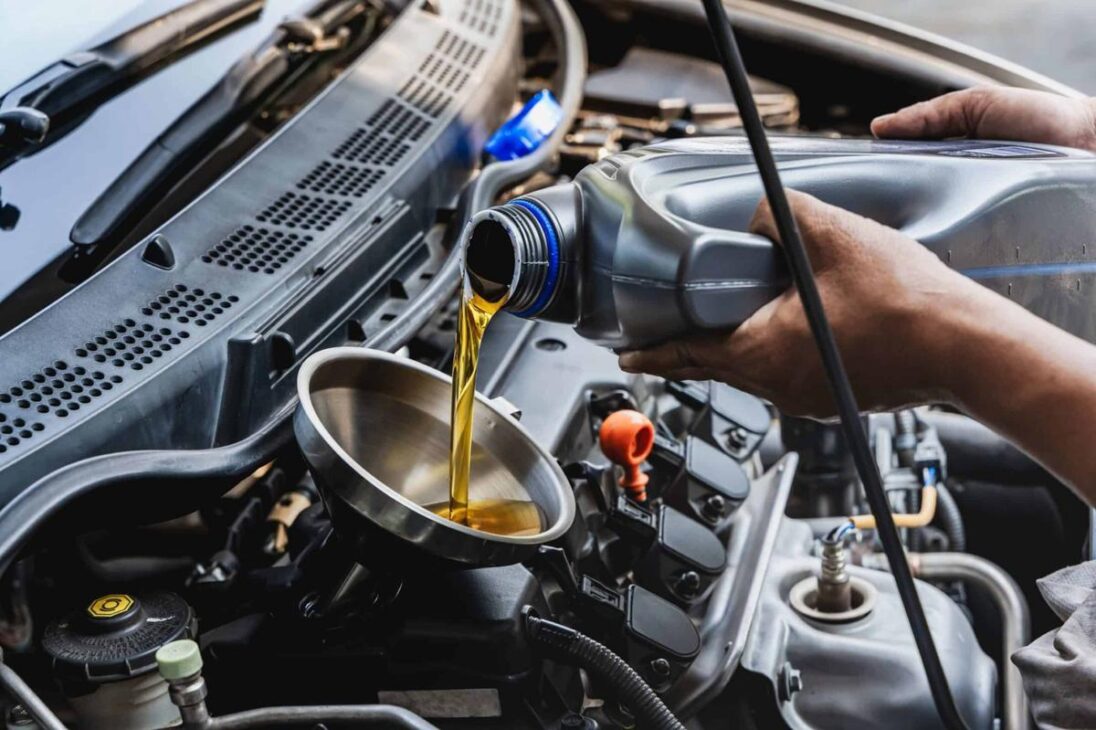
Preventive maintenance is another decisive factor. As mechanic Johnny Oliveira explains, delaying oil changes or neglecting tires can increase consumption and damage the engine.
“Old oil loses lubrication, generating more friction and requiring more effort from the engine,” he warns.
Additionally, flat tires increase ground friction, forcing the engine to work harder. According to Oliveira, simple weekly tire pressure checks can reduce fuel consumption by up to 10%.
The professional also recommends using cleaning additives in the injection system every 10,000 kilometers, a practice that improves performance and prolongs engine life.
Excess Weight and Full Tank: Silent Villains of Fuel Economy
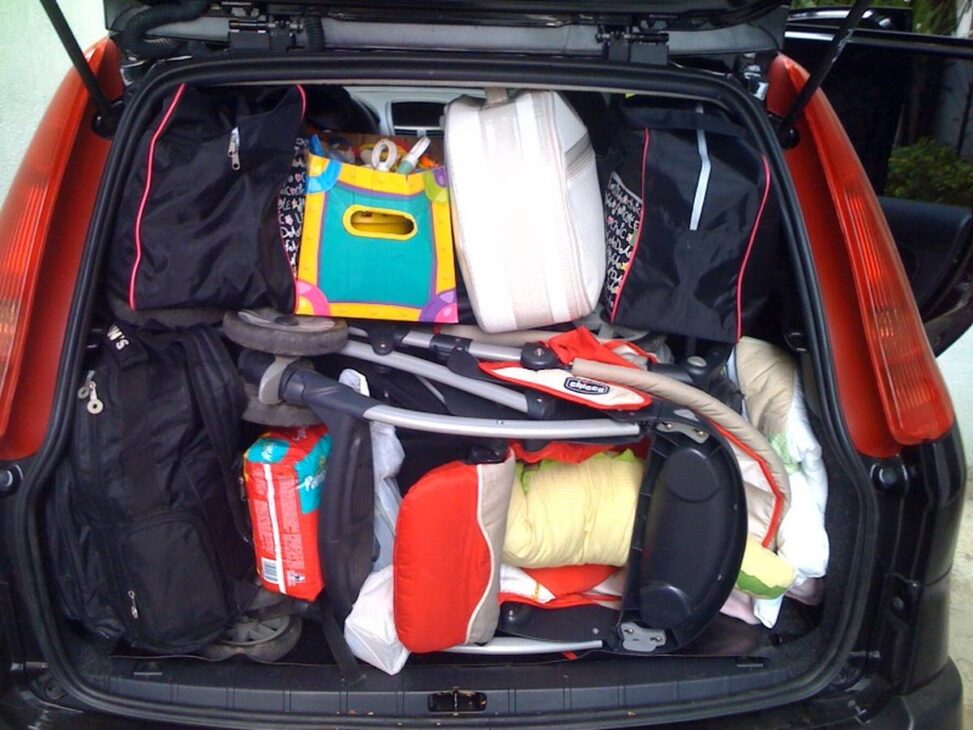
Carrying unnecessary objects may seem harmless, but every additional 50 kg increases consumption by 1% to 2%, according to technical estimates.
The extra weight increases engine effort and reduces efficiency, especially in automatic cars, where the transmission operates at higher RPMs.
Another common mistake is filling the tank to the brim. Mendes warns that this practice can damage the canister, a component that only handles vapors.
Oliveira reinforces: “Packing it to the neck does not provide any advantage and may cause waste and excessive pressure in the system. The ideal is to stop at the pump’s automatic shut-off.”
Habits That Transform Spending Into Savings
According to experts, the sum of small daily actions can cut fuel consumption in half.
“Checking tire pressure weekly, avoiding harsh accelerations, and keeping the engine tuned make a huge difference,” concludes Johnny Oliveira.
In a year marked by high costs, adulterations, and distrust at gas stations, following these guidelines not only protects your wallet but also contributes to the safety and durability of the vehicle.
After all, saving fuel is more than a cost issue — it’s a conscious and sustainable driving habit.
And you, have you implemented any of these tips, or do you still feel the weight of fuel on your budget?


