Portuguese
  Spanish


Discover How Solar Energy in Acre Advances with 2,800 New Units, Expanding Access to Electricity and Promoting Sustainability and Economy in the State.
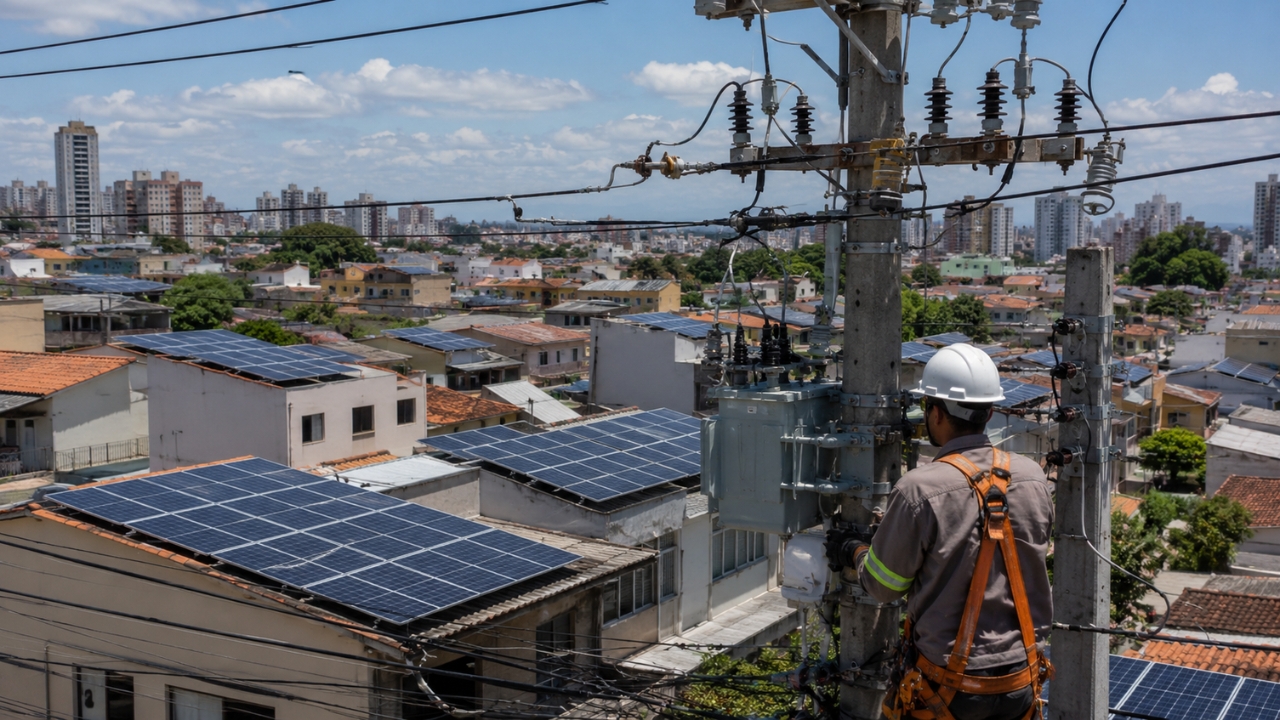
Acre has been standing out in the Brazilian energy landscape due to its growing adhesion to solar energy. By the end of July this year, the state recorded 2,820 consumer units with distributed generation, totaling an installed capacity of 27,767.81 kW.
Thus, these numbers reflect technological advancement and the search for sustainable solutions to meet energy demand in an efficient and environmentally responsible manner.
Furthermore, the National Electric Energy Agency (Aneel) closely monitors the development of distributed generation throughout the country.
-
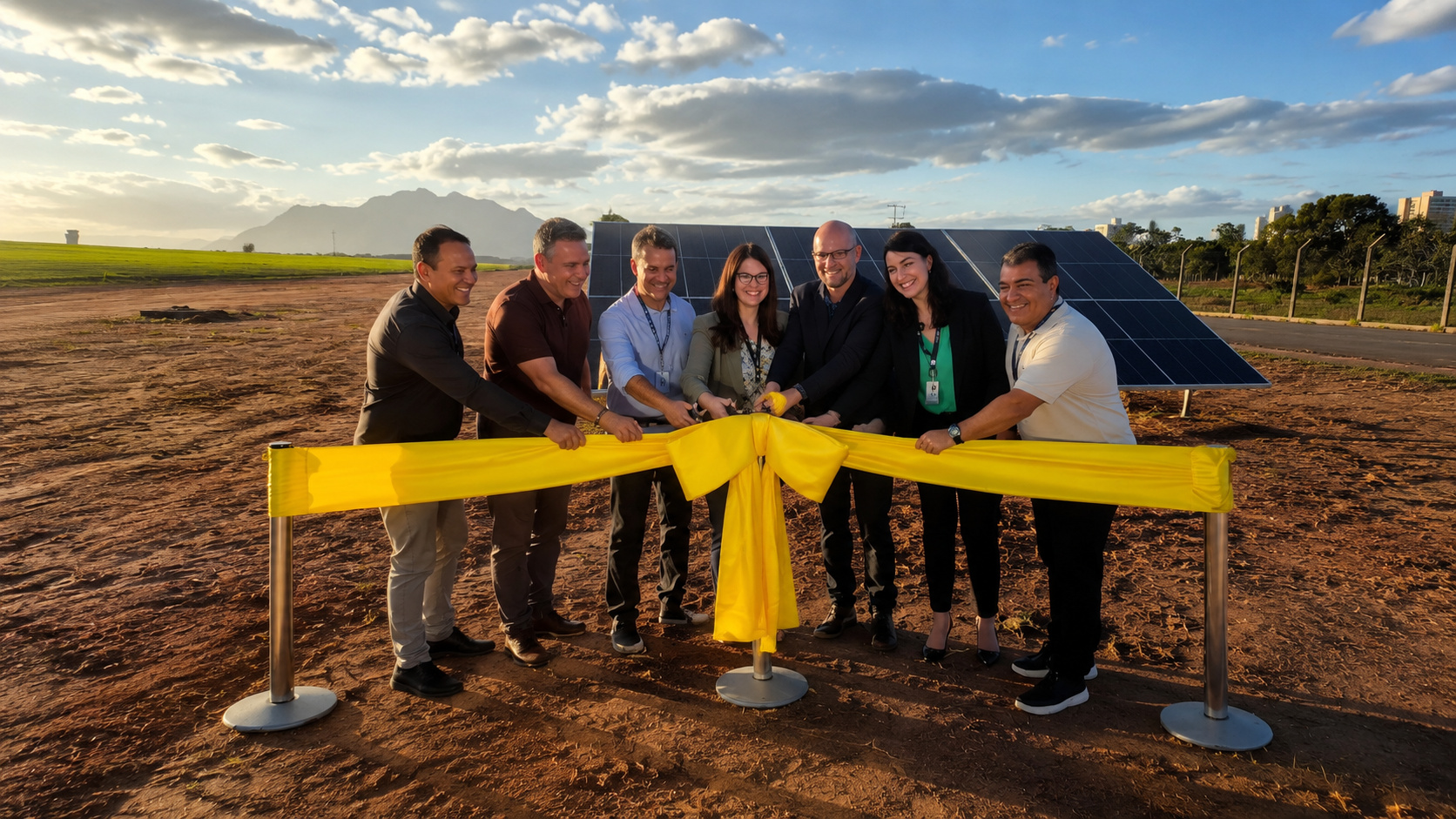
Brazil’s Vitória Airport to Launch Solar Plant Covering Area of 10 Soccer Fields, Boosting Clean Energy and Cutting Costs

-
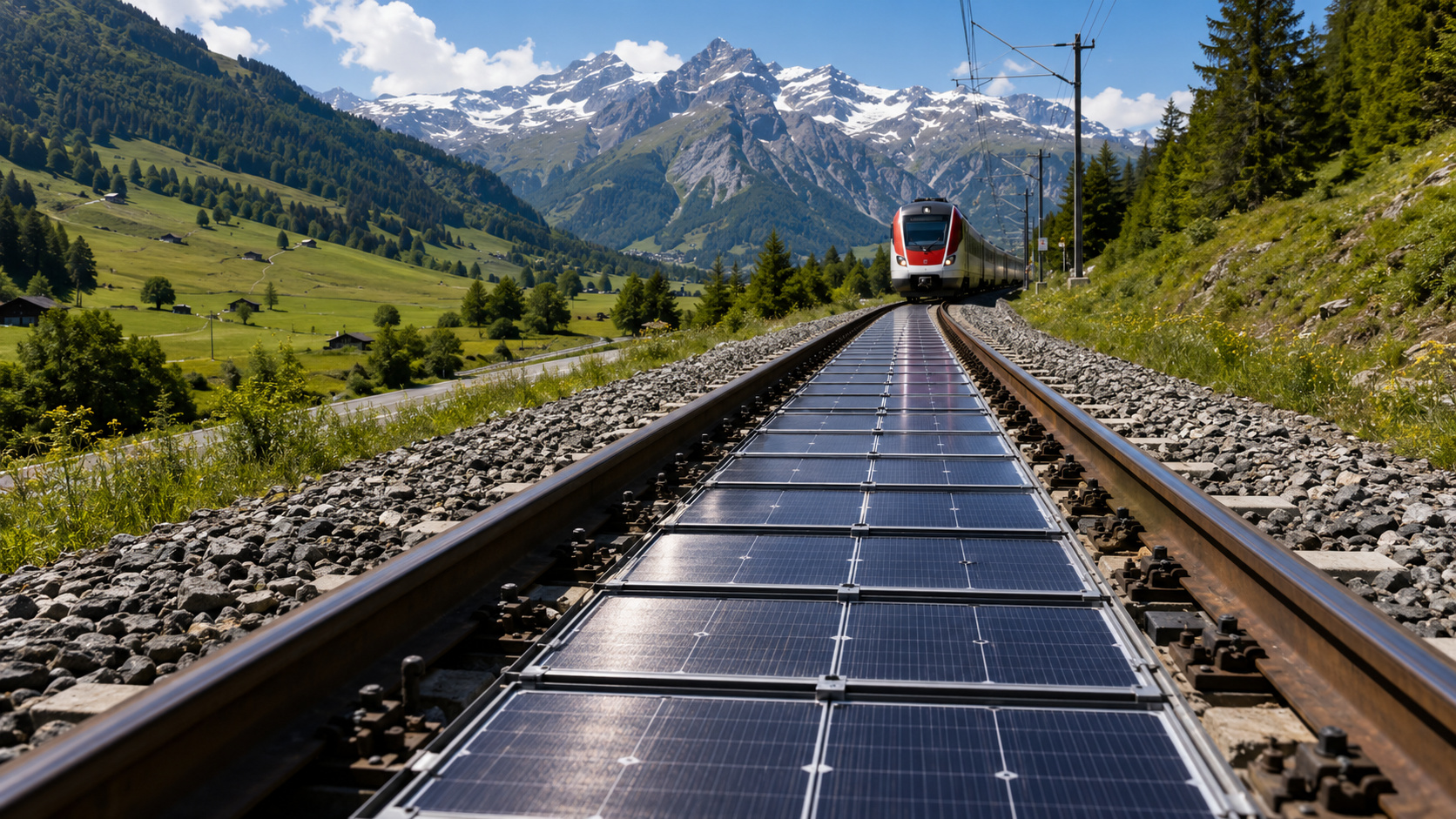
Switzerland Converts Train Tracks into Solar Power Plants with Removable Panels to Generate Energy Without Using Additional Land
-
Surge in Solar-Powered Homes in Brazil Leads to Grid Strain and Connection Restrictions in Three States

-
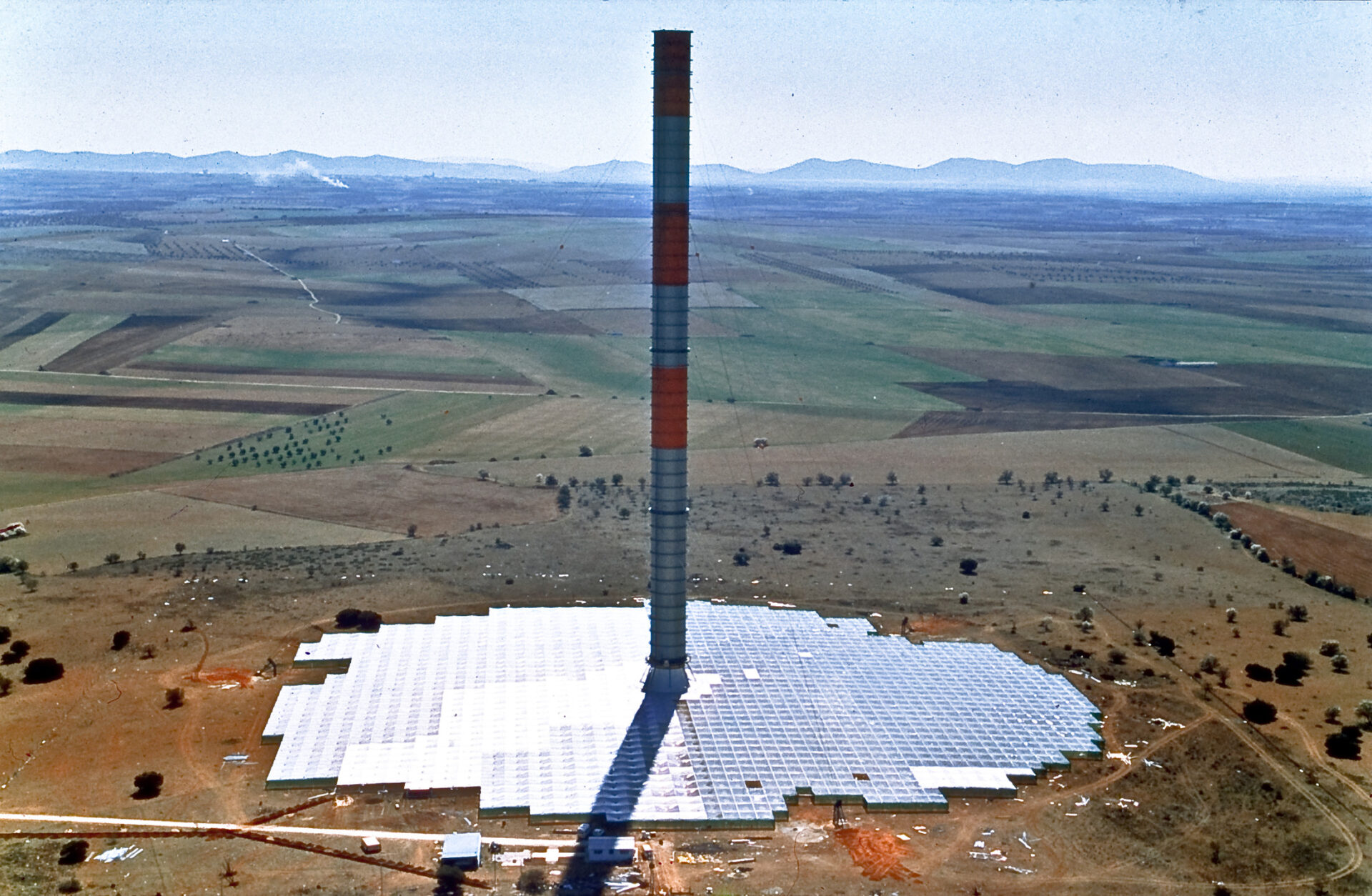
Solar Chimney in Spain Harnessed Sun to Generate Electricity for 7 Years Without Burning Fuel

Historically, Acre faced challenges related to energy supply. Therefore, due to its geographical location and low population density in many areas, the expansion of the conventional electrical grid took time to reach all municipalities.
Consequently, for decades, the state relied only on more limited energy sources, such as small hydroelectric plants and diesel generators, which partially met local demand.
In this context, the arrival and growth of solar energy in Acre emerges as a strategic solution, capable of expanding access to electricity, reducing costs, and contributing to environmental preservation.
Additionally, the use of solar energy represents a concrete response to the challenges imposed by the climate and geography of the Amazon region. Periods of heavy rain can affect hydroelectric generation and compromise traditional electric supply.
Concentration and Profile of Solar Generation Units
The majority of distributed generation units are concentrated in the municipality of Acrelândia, which leads the local ranking with 43 consumer units.
Thus, this concentration reflects public interest in adopting solar photovoltaic energy systems and the availability of incentives and information on the subject.
The consumption class of these units varies: 206 are commercial, 4 industrial, and the remainder includes residences and rural properties.
Therefore, this demonstrates that solar energy in Acre is not restricted to large companies or urban projects. It reaches different consumer profiles, promoting energy inclusion and democratizing access to electricity.
The predominant modality is generation at the consumer unit (UFV). In this modality, photovoltaic systems installed directly on residences, businesses, or rural properties produce part of their own energy.
Thus, this form reduces dependence on the conventional electrical grid and enables significant savings on electricity bills.
Moreover, consumers can inject excess energy into the grid, generating credits that can be used during periods of lower solar production, such as nights or cloudy days.
In this way, the system becomes efficient, sustainable, and financially advantageous. Many families also report that energy independence provides more security and predictability, especially in rural and isolated areas.
Incentives and Social Impact of Solar Energy
The growth of solar energy in Acre also depends on public policies and regulatory incentives. For example, financing programs, specific credit lines, and regulations favoring distributed generation encourage both residential consumers and companies to invest in photovoltaic energy.
Additionally, awareness of the environmental impacts of fossil fuel use and the need to reduce greenhouse gas emissions contribute to the increasing adoption of renewable sources, such as solar.
Consequently, educational institutions and non-governmental organizations promote courses and training to train specialized professionals, expanding technical knowledge in the area.
Another important aspect is the role of solar energy in Acre in strengthening the energy autonomy of communities. Thus, in rural areas and more remote regions, where access to the traditional electrical grid is limited, the installation of solar systems allows families and small businesses to have continuous electricity.
This availability directly impacts quality of life, education, economic development, and the productive capacity of the state.
Moreover, access to electricity enables the implementation of innovative solutions, such as electric irrigation, food storage, and the use of digital technologies. This expands economic and social opportunities.
Geographical Potential and National Trends
Acre also benefits from its geographical position regarding solar incidence. On the other hand, despite areas of dense forest, the Amazon region experiences significant periods of high solar radiation throughout the year.
Thus, this natural characteristic enhances the efficiency of photovoltaic systems, making investments in solar energy in Acre even more attractive.
With the right technology and efficient planning, systems can generate enough energy to supply everything from small residences to larger enterprises. This ensures energy security and sustainability.
Additionally, harnessing solar energy contributes to reducing dependence on fossil fuels and thermal generation, with direct impacts on decreasing pollutants in the atmosphere.
Furthermore, the growth of solar energy in the state follows a national and global trend of energy transition. Brazil, historically dependent on hydroelectric power, has been diversifying its energy matrix to include various renewable sources like solar and wind.
Therefore, Acre shows that even more remote states or those with lower population density can adopt innovative and sustainable solutions, contributing to environmental balance and local economic development.
This movement strengthens Acre’s image as a pioneering state in clean energy in Northern Brazil.
Economic Benefits and Sustainable Development
The expansion of solar energy in Acre also strengthens the job market. For example, the installation, maintenance, and operation of photovoltaic systems require skilled labor, creating opportunities across various sectors, from specialized technicians to engineering and energy planning professionals.
Consequently, this helps consolidate the local economy and foster new businesses related to technology and sustainability. Moreover, the adoption of solar energy is not limited to residences or commercial establishments.
Schools, hospitals, and other essential services also invest in solar generation, ensuring efficiency, savings, and reduction of dependence on non-renewable sources.
This movement reflects a long-term vision, where Acre positions itself as a regional reference in clean energy utilization, demonstrating commitment to environmental preservation and the well-being of the population.
Furthermore, the advancement of solar energy attracts external investments and fosters partnerships with specialized companies. This contributes to the development of proprietary technologies and strengthens the local energy sector.
Sustainable Growth and Future Perspectives
The growth of the 2,820 distributed generation units by July symbolizes much more than numbers. It represents the advancement of a sustainable energy consciousness and the state’s ability to adapt to the new demands of the 21st century.
Thus, investment in solar energy in Acre shows that it is possible to reconcile economic development, energy efficiency, and environmental preservation. This creates a replicable model for other regions in Brazil and the world.
Moreover, future perspectives indicate continuous expansion, with more residences, businesses, and public institutions adopting distributed generation and increasing the production of clean energy.
In summary, Acre’s trajectory regarding solar energy reveals a story of overcoming energy challenges, technological innovation, and environmental commitment.
Thus, the increase in consumer units and installed capacity demonstrates that the state is on its way to becoming an example of sustainability and distributed generation.
Therefore, with adequate incentives, strategic planning, and public awareness, Acre establishes itself as a protagonist in the clean energy landscape, offering efficient, accessible, and lasting solutions for all its inhabitants.