Portuguese
  Spanish


Discover How Enerzee Expands Its Presence in Solar Energy by Offering Innovative and Accessible Solutions That Promote Efficiency, Sustainability, and Cost Savings for Businesses and Homes.
The Evolution of Solar Energy in Brazil
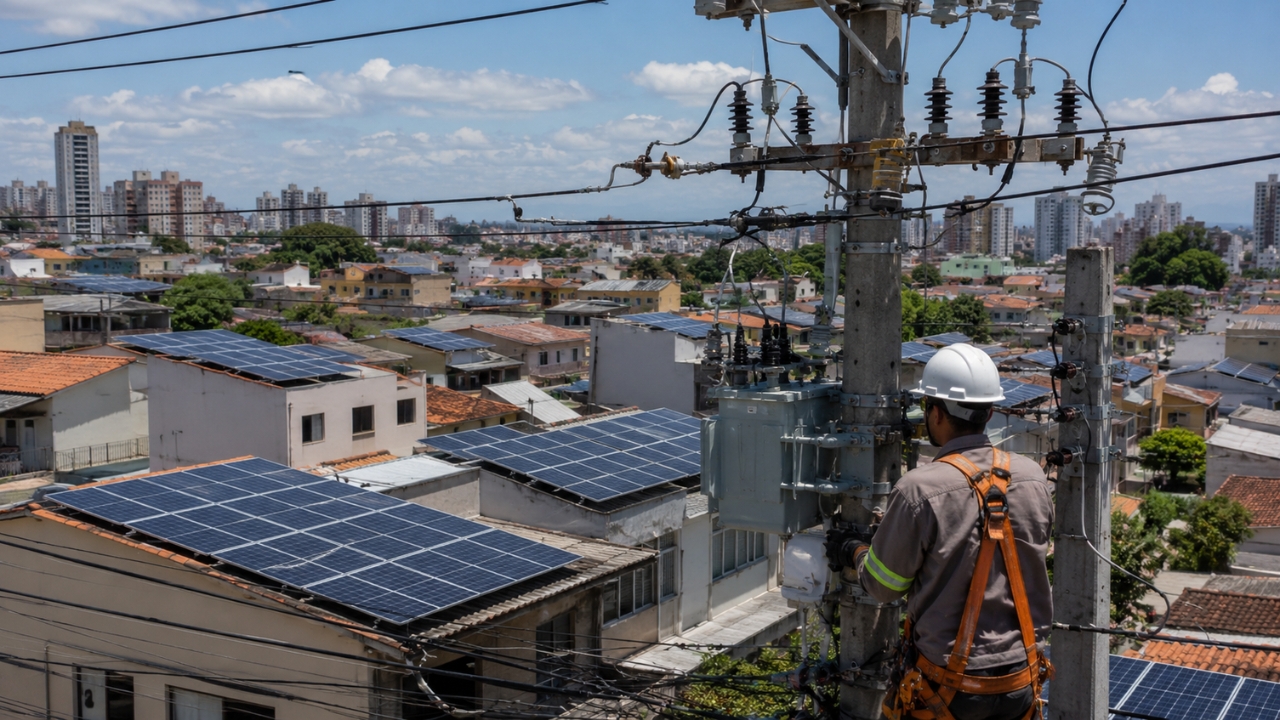
Enerzee, one of the largest Brazilian platforms for solar energy solutions, stands out increasingly for its work in solar energy across the country.
Moreover, the company demonstrates that investing in technology and innovation is not just a business matter, but also a strategy to contribute to a sustainable future.
It also seeks to expand the clean energy matrix in Brazil. Thus, Enerzee’s trajectory reflects the historical evolution of the solar sector in the country, which has transitioned from timid initiatives in the 1990s to a consolidated and strategic industry in the 2020s.
-
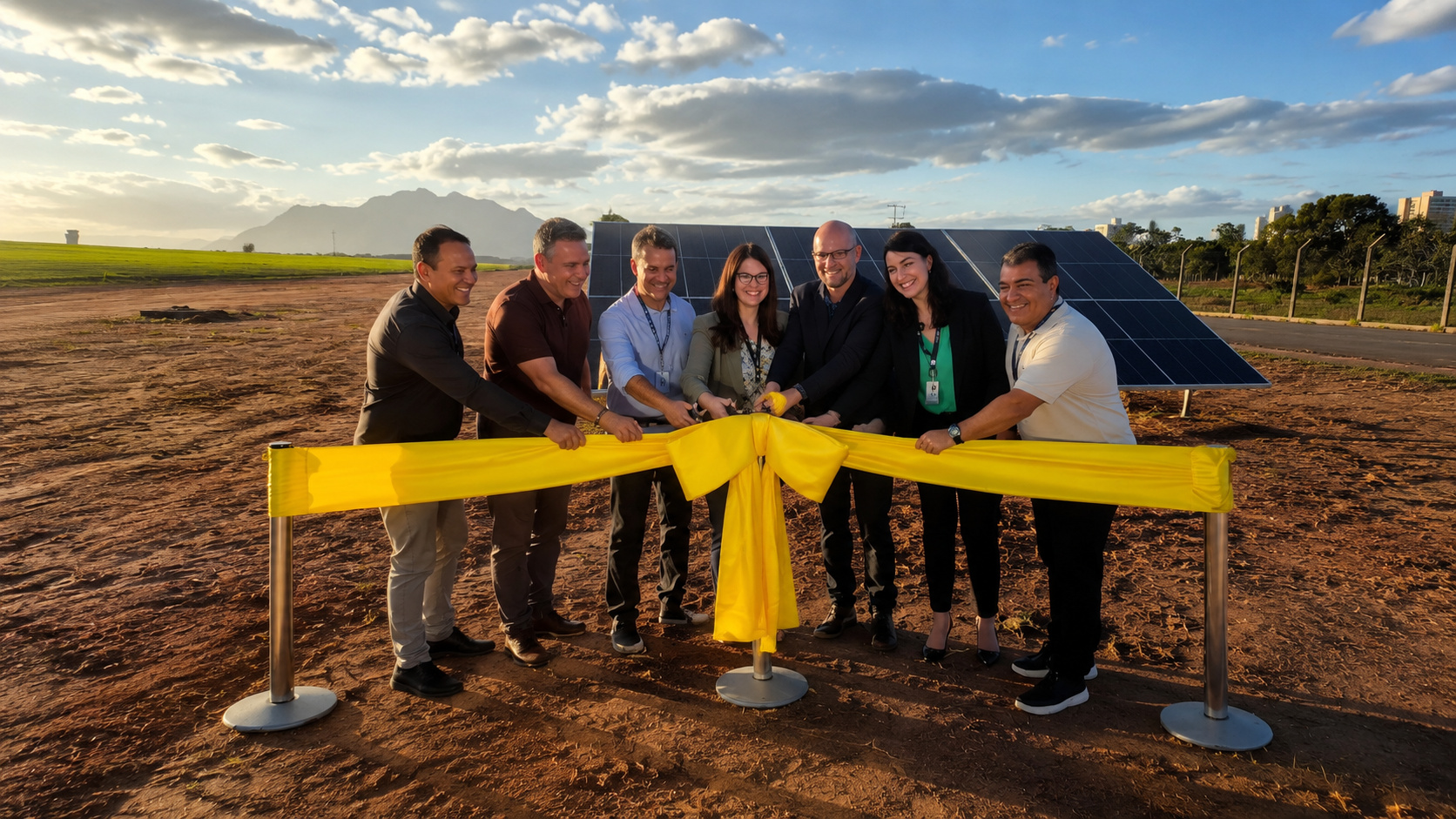
Brazil’s Vitória Airport to Launch Solar Plant Covering Area of 10 Soccer Fields, Boosting Clean Energy and Cutting Costs

-
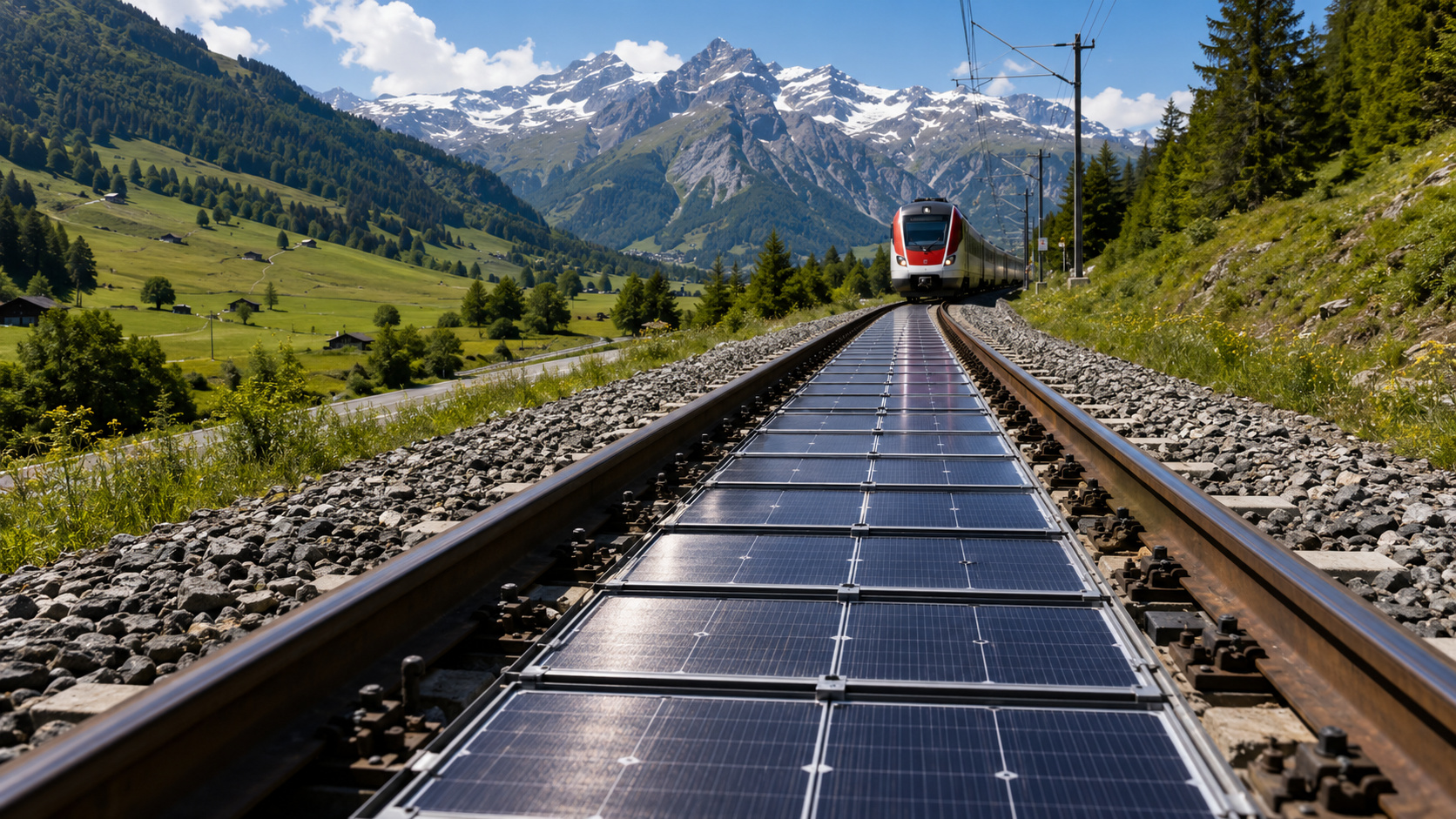
Switzerland Converts Train Tracks into Solar Power Plants with Removable Panels to Generate Energy Without Using Additional Land
-
Surge in Solar-Powered Homes in Brazil Leads to Grid Strain and Connection Restrictions in Three States

-
Solar Chimney in Spain Harnessed Sun to Generate Electricity for 7 Years Without Burning Fuel

The development of solar energy in Brazil began in the late 20th century, when the country sought to diversify its energy matrix, traditionally based on hydropower.
Consequently, the need for alternative sources grew with the increase in energy demand, climate change, and the quest for energy independence.
In this context, companies like Enerzee took on a leading role, offering solutions ranging from the installation of residential solar panels to large corporate projects.
Therefore, Enerzee’s work in solar energy shows how the private sector can drive the adoption of renewable energies.
In the early years, the growth of solar energy in Brazil progressed slowly due to high equipment costs and a lack of financing options.
However, in the last two decades, public policies, tax incentives, and strategic partnerships have transformed this scenario.
As a result, Enerzee benefited from this advancement and also actively contributed, making solar projects viable and accessible to different audiences.
Participation in Strategic Events
A recent milestone for the company was its participation in strategic events in the solar energy sector.
In August 2025, Enerzee held the National Meeting of Enerzee Consultants, bringing together professionals from all over the country.
Furthermore, the event aimed to train consultants, align goals, and present new commercial and technological strategies.
In this way, the company highlights how it directs its work in solar energy broadly, integrating technology, education, and relationships with industry professionals.
At the same time, continuous training of consultants allows Enerzee to maintain high quality standards.
This ensures that the company offers efficient and reliable solutions for clients in various segments.
Just afterward, from August 26 to 28, Enerzee attended the Intersolar South America 2025, the largest solar energy fair in Latin America, held at the Expo Center Norte in São Paulo.
The fair provides a showcase for technological innovations, market trends, and sustainability-focused solutions.
During the event, Enerzee officially launched its BESS battery portfolio, developed in partnership with WEG.
These batteries allow consumers to store excess solar energy for later use.
Additionally, they offer greater efficiency, savings, and autonomy for homes, businesses, and large retailers.
Technological Innovation and Accessible Models
The launch of the BESS batteries demonstrates Enerzee’s commitment to technological innovation and its work in solar energy focused on intelligent solutions.
Thus, energy storage ensures that the electricity generated during the day can be used at night or during periods of lower solar incidence.
Moreover, it increases energy independence and reduces electricity costs, promoting real savings for consumers.
Consequently, the introduction of this technology in the Brazilian market reflects the maturity of the sector.
It also demonstrates Enerzee’s capacity to adapt to the demands of modern and environmentally conscious clients.
Another highlight of the company is the BOT (Build, Operate and Transfer) model, which allows clients to access solar energy and energy efficiency solutions without an upfront investment.
In this format, payments occur in gentle installments, without impacting the company’s indebtedness.
According to Alexandre Sperafico, CEO of Enerzee, this is a solution that delivers real savings, with cheaper energy and no initial investment, especially relevant for capital-intensive businesses, such as agribusiness.
Thus, working in solar energy becomes accessible and strategic for different sectors, without compromising the financial flow of companies.
Democratization of Access and Strategic Partnerships
Historically, the democratization of access to solar energy has represented a challenge.
In the early years of technology implementation in Brazil, high costs and a lack of financing hindered expansion.
However, public policies, tax incentives, and financial innovations have allowed more consumers to adopt solar solutions.
Thus, Enerzee fits into this scenario as a company that combines technology and economic viability.
By offering flexible and accessible business models, the company accelerates the adoption of clean energy.
This strengthens the energy matrix of the country.
The presence of major industry names at events promoted by Enerzee reinforces its commitment to working in solar energy.
For example, professionals such as Ricardo Nunes, founder of Ricardo Eletro, and representatives from WEG, Bolt Energy, and GreenYellow shared experiences and market trends.
These meetings strengthen a knowledge network, promote the exchange of ideas, and foster innovation.
Moreover, they highlight that Enerzee does not operate in isolation, but connects with other companies and experts, forming a solid solar energy ecosystem in Brazil.
In addition, the company invests in success stories from different regions, showing that solar energy can be implemented in various contexts.
These contexts range from small rural properties to large urban industries.
Thus, this prominence reinforces the importance of working in solar energy as a strategic tool for economic growth aligned with sustainability.
Education and the Future of Solar Energy
In addition to promoting technological solutions, Enerzee invests in awareness and education about renewable energy.
At the same time, the company’s work goes beyond providing equipment and services; it encourages businesses and homes to recognize the benefits of solar energy, both economically and environmentally.
Thus, by combining energy efficiency, sustainability, and innovation, Enerzee contributes to building a future where clean energy becomes increasingly present in people’s lives.
The development of Enerzee’s work in solar energy also aligns with global trends.
Worldwide, solar energy proves to be a competitive and strategic alternative.
Consequently, countries that have invested in technology, infrastructure, and robust public policies have reduced costs.
Additionally, they have increased energy security and created jobs.
Therefore, Brazil, with its enormous solar potential, can follow the same path.
Companies like Enerzee play a central role in this process.
They consolidate practices of efficiency and innovation that can be replicated on a large scale.
In short, Enerzee strengthens its work in solar energy through technology, innovation, education, and strategic partnerships.
Thus, the company demonstrates that it offers accessible, efficient, and sustainable solutions, contributing to the expansion of the clean energy matrix in Brazil.
Its historical trajectory, combined with recent initiatives such as the launch of BESS batteries and the BOT model, reinforces its leadership role in the sector.
More than just providing energy, Enerzee builds a solid path for the future of solar energy in the country.
This way, homes and businesses benefit from innovative, economical, and sustainable solutions.
Consequently, Enerzee’s work is presented as not only a market reference, but also as an example of how companies can transform Brazil’s energy reality.
Thus, solar energy becomes a viable, strategic, and essential choice for the coming years.