






 Portuguese
  Spanish
  3 min of reading
  0 comments



11% Increase in Car Imports Boosts the Automotive Sector. Asia Shipping Grew 40%, Moving 27,513 TEUs of Hybrid and Electric Cars from China.
The increase in car imports during the first half resulted in significant growth for a logistics integrator in the sector. Asia Shipping, for example, experienced a 40% increase in its operations, moving a volume of 27,513 TEUs of hybrid and electric vehicles, primarily from China. This movement reflects the strong demand for sustainable automobiles in the domestic market.
This growth in car imports also boosts the automotive sector as a whole. The demand for imported vehicles, whether they are hybrid, electric, or conventional, tends to increase more and more. With the ease of the import process for vehicles, the volume of foreign cars in the Brazilian market has shown an exponential growth, creating new opportunities and challenges for automotive logistics.
Increase in Car Imports in Brazil
According to data from Anfavea (National Association of Motor Vehicle Manufacturers), car imports in Brazil showed an 11% increase when comparing the first half of 2024 with the same period in 2023. This considerable increase in vehicle imports reflects the warming of the automotive sector and the demand for new technologies.
-
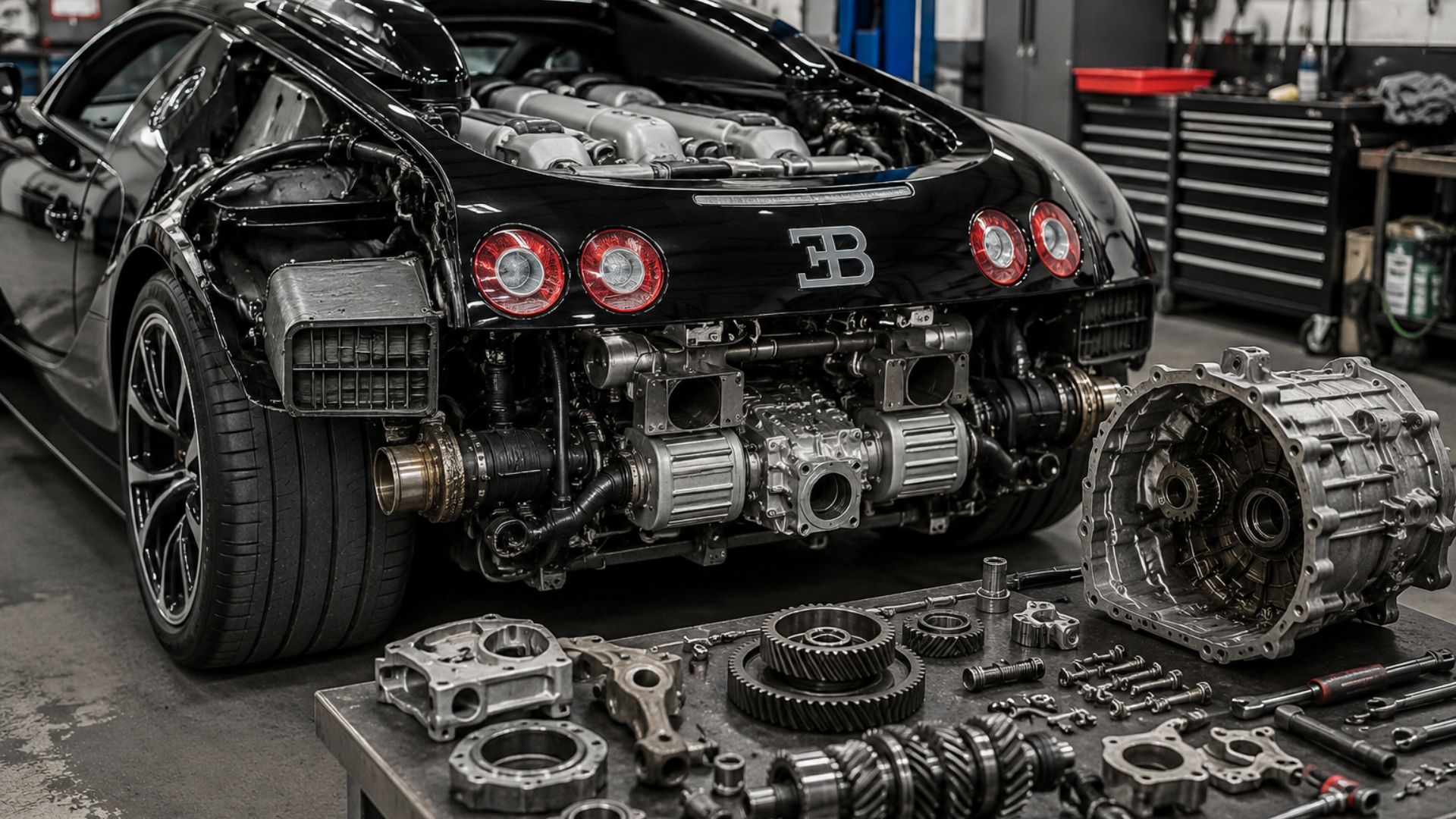
The YouTuber Mark McCann bought a Bugatti Veyron for almost $1.2 million, but discovered that the supercar’s gearbox is so damaged that even Bugatti itself won’t accept to repair it, and the repair could cost a fortune.

-
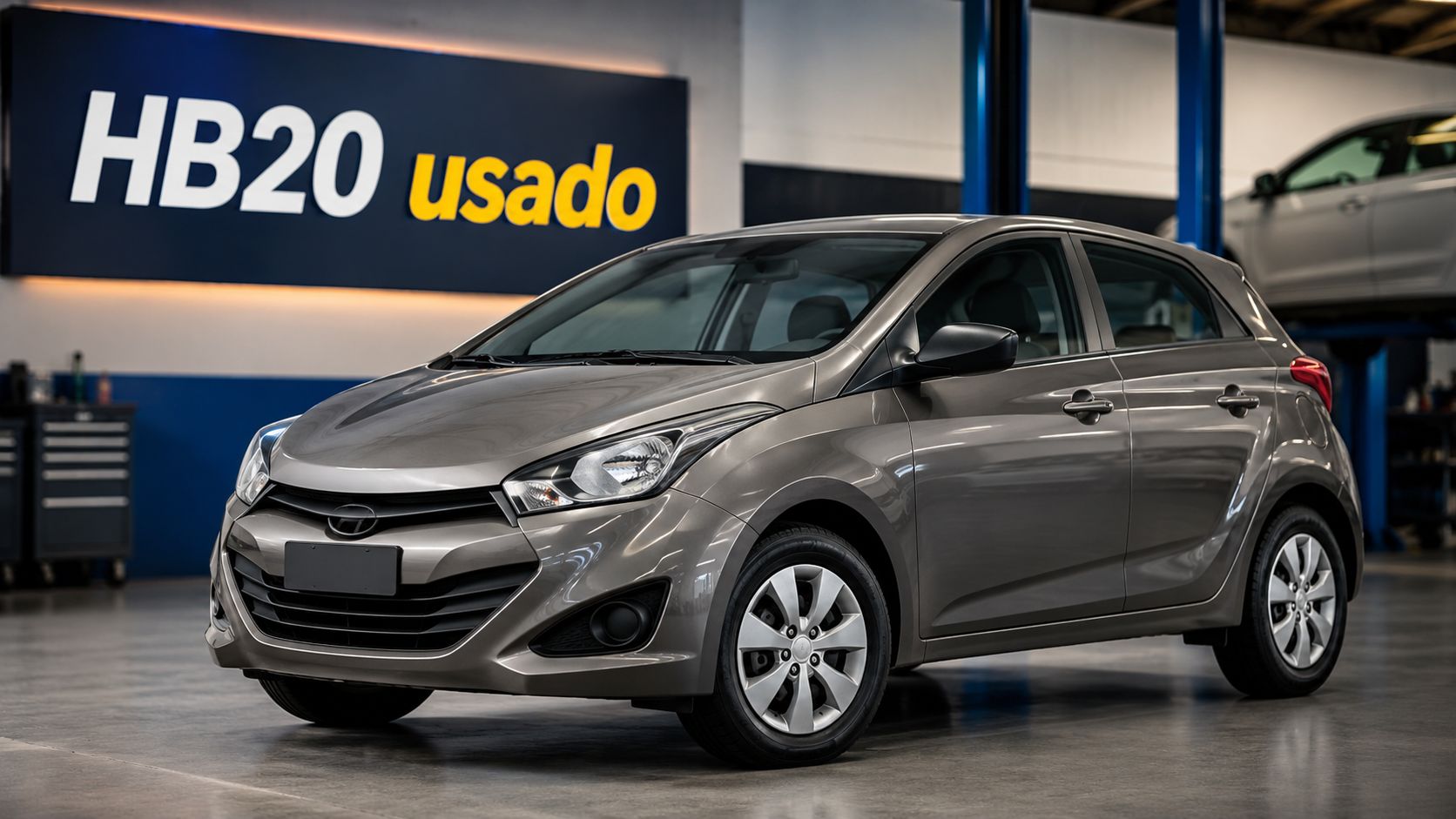
Thinking about buying a used HB20? See why the 2015 model is still a crowd favorite, with cheap parts, easy-to-fix mechanics, a strong engine, and quick sales.

-
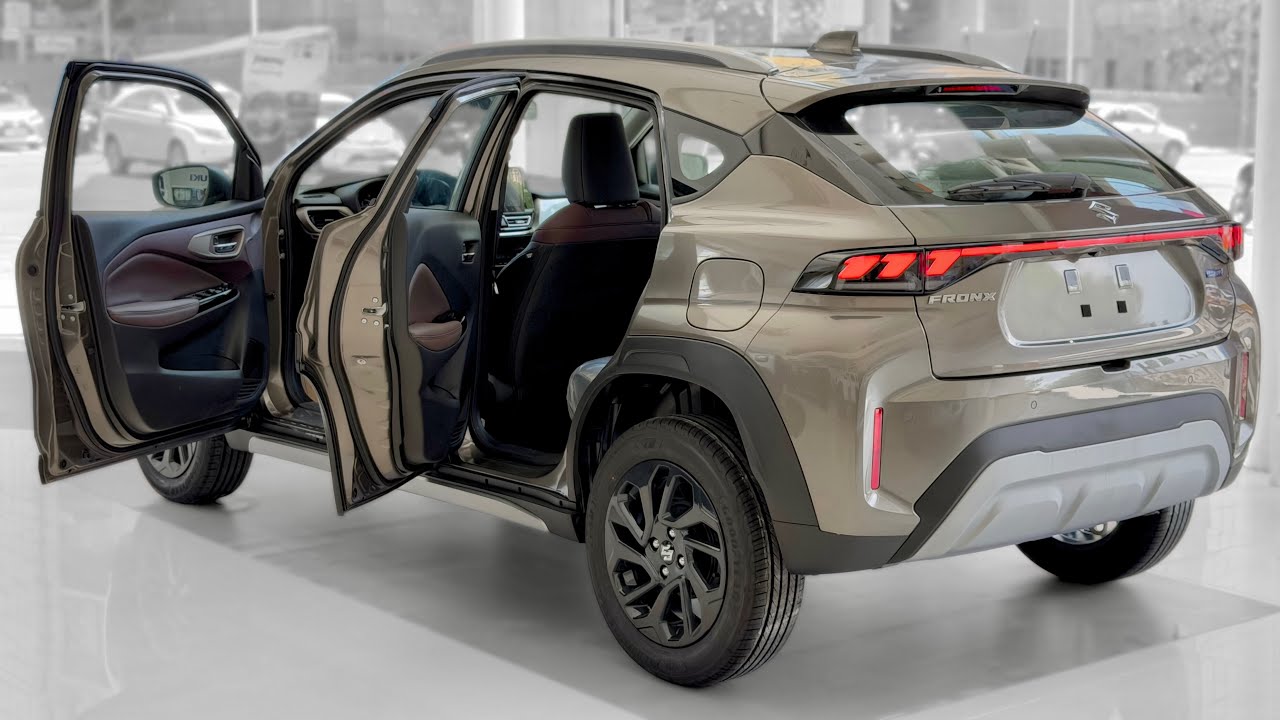
Suzuki Fronx emerges as the “compact coupe SUV” that Brazil doesn’t have: priced around R$ 37,000 in a tax-free conversion, the model has a hybrid version, 1.0 turbo engine, bold design, and the price of a popular car in India.

-
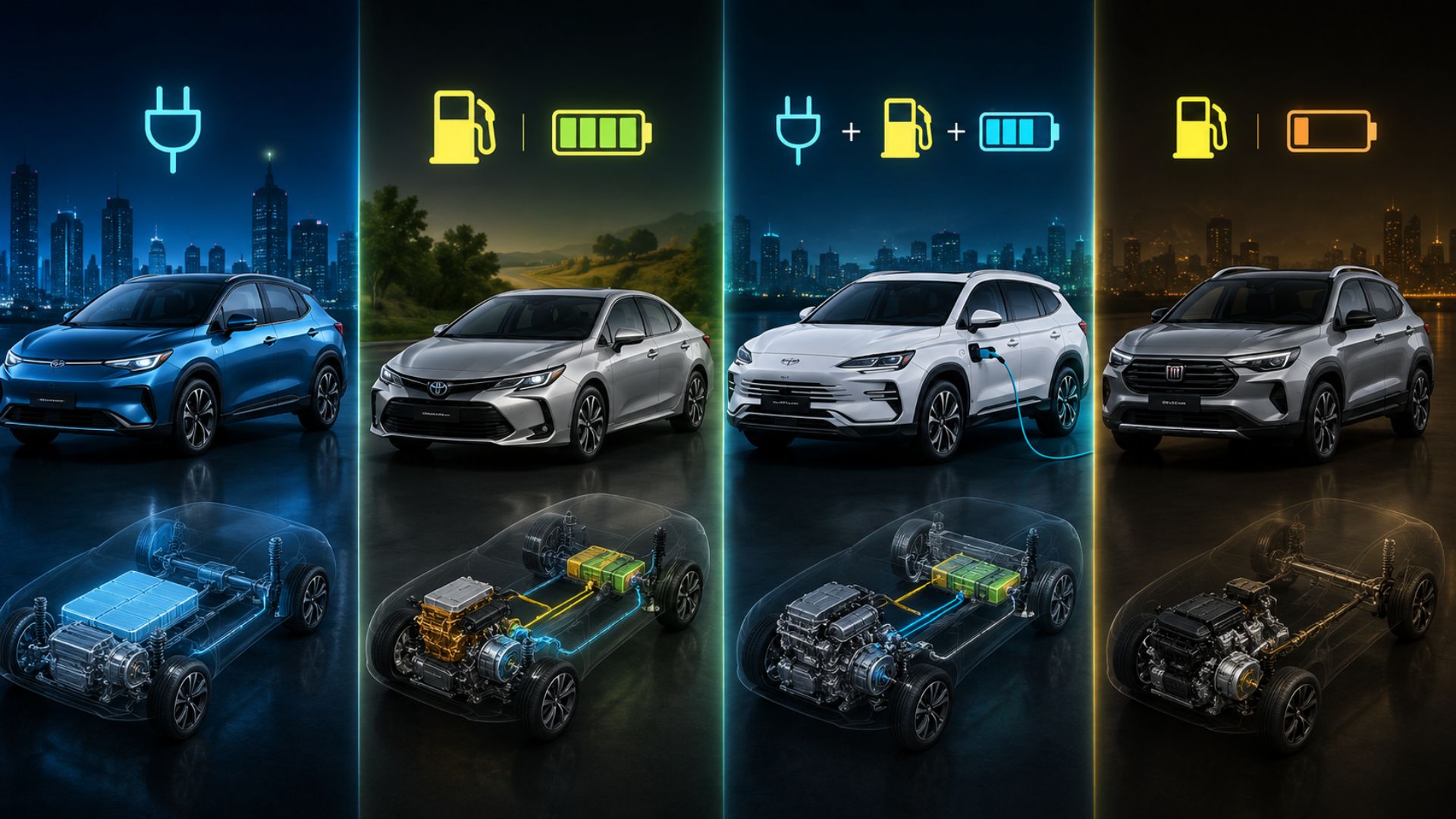
Not every car with a battery is truly electric; some hybrids never run solely on electric power, and since 2025, ABVE stopped counting mild hybrids as electrified, and these differences change everything when buying.
In this scenario, the Brazilian multinational Asia Shipping, specialized in cargo integration, also experienced significant growth. The company increased the volume of imported cars to Brazil by 40%, with a significant portion of this volume concentrated in hybrid automobiles and electric automobiles mainly from China. During the first six months of the year, the company moved 27.13 TEUs (equivalent to a 20-foot container).
Automotive Market and Current Trends
According to Rafael Dantas, commercial director of Asia Shipping, the growing demand for these vehicles, which have technological advantages like competitive pricing and cutting-edge differentiators, is expected to continue driving the growth of car imports from Asia. In recent years, the automotive market, previously dominated by North American and European companies, has undergone significant transformation, with the Chinese market gaining more prominence. The logistics of cars transported in containers has proven effective and suited to these changes for various technical reasons.
The executive emphasizes that the logistics of cars transported in containers is advantageous and that, due to these various advantages, the import of vehicles from China to Brazil is expected to continue growing. Rafael points out that hybrid cars and electric cars, in addition to their technological advantages, are an attractive choice for Brazilian consumers.
Expansion of Asia Shipping and Innovative Technologies
Driven by the increase in car imports and other sectors, such as electronics and solar panels, Asia Shipping recorded a 50% growth in the volume of cargo shipped in the first half of 2024, compared to the same period last year. To maintain the necessary agility in its operations, the company recently acquired part of the startup Dati, introducing a cloud platform based on artificial intelligence (AI).
This technological solution automates nearly 87% of the import processes, from tracking orders to delivering the cargo, providing importers and exporters with complete visibility of their operations in real-time. Additionally, the platform provides strategic scenario analyses, assisting in decision-making and integration with enterprise resource planning (ERP) systems and all involved logistics suppliers.
Source: Rodolfo Milone







Be the first to react!