Portuguese
  Spanish


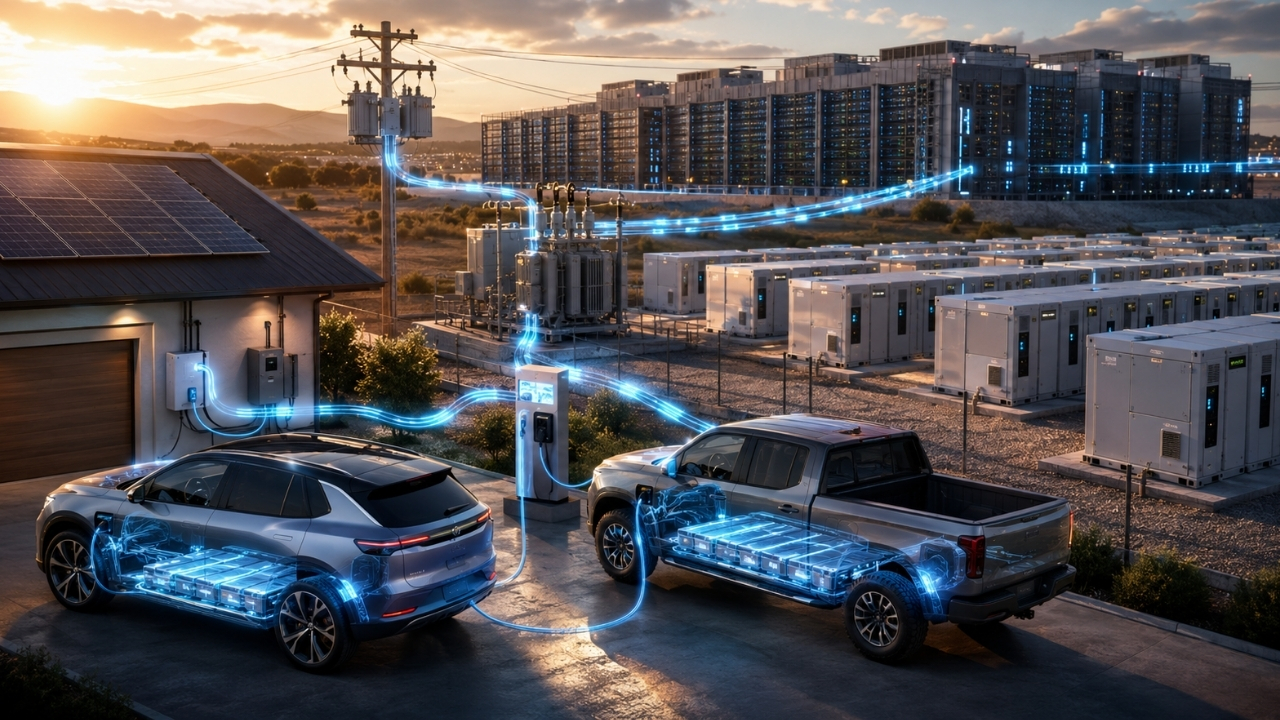

GM electric cars to gain bidirectional charging to support the power grid during peak times, while sodium-ion batteries enhance energy storage. The strategy responds to the advancement of AI data centers and involves 250 thousand compatible vehicles in circulation in the current US.
The General Motors electric cars have become the center of a new energy strategy amidst the advancement of artificial intelligence data centers and increased pressure on the power grid. In announcements made in San Francisco on June 9, 2026, the automaker presented initiatives involving bidirectional charging, industrial storage, and battery repurposing.
The proposal stems from a simple yet technically complex idea: electric vehicles spend a significant amount of time parked, with energy stored in their batteries. GM wants to transform part of this idle capacity into support for homes, dealerships, and electrical systems, especially during peak demand hours.
Parked cars can help the grid during peak hours
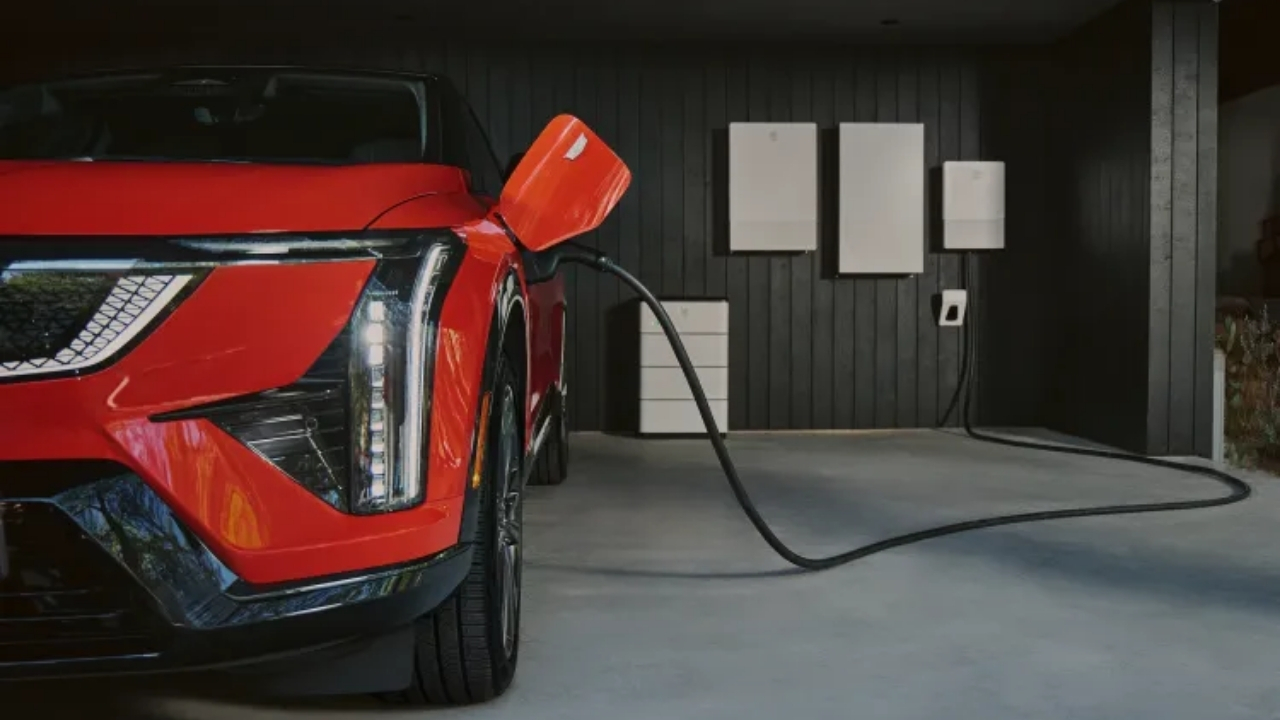
GM states that vehicles with bidirectional charging can return energy to the grid, not just receive electricity during charging. This technology is known as vehicle-to-grid, or V2G, and allows energy flow in two directions.
-
Australia deploys poisoned sausages and uses traps, shooting, and fences in a battle against invasive cats that kill over 1.5 billion native animals annually, threatening more than 200 species.

-
NASA Rover Captures “Tired Face” on Mars, Highlighting Human Brain’s Tendency to See Faces in Rock Formations

-
Ancient Stone City in the Desert, Once Home to 30,000, Puzzles Scientists with Nabateans’ Water Mastery 2,000 Years Ago

-
Ancient Creature Thought Extinct Since Dinosaur Era Reappears, Baffling Scientists




In practice, the car ceases to be just a means of transportation and also functions as a mobile battery. According to the report by The Verge, GM plans to release a firmware update for customers who already have a vehicle-to-home system, allowing them to send energy back to the power grid.
Bidirectional fleet already exceeds 250 thousand vehicles
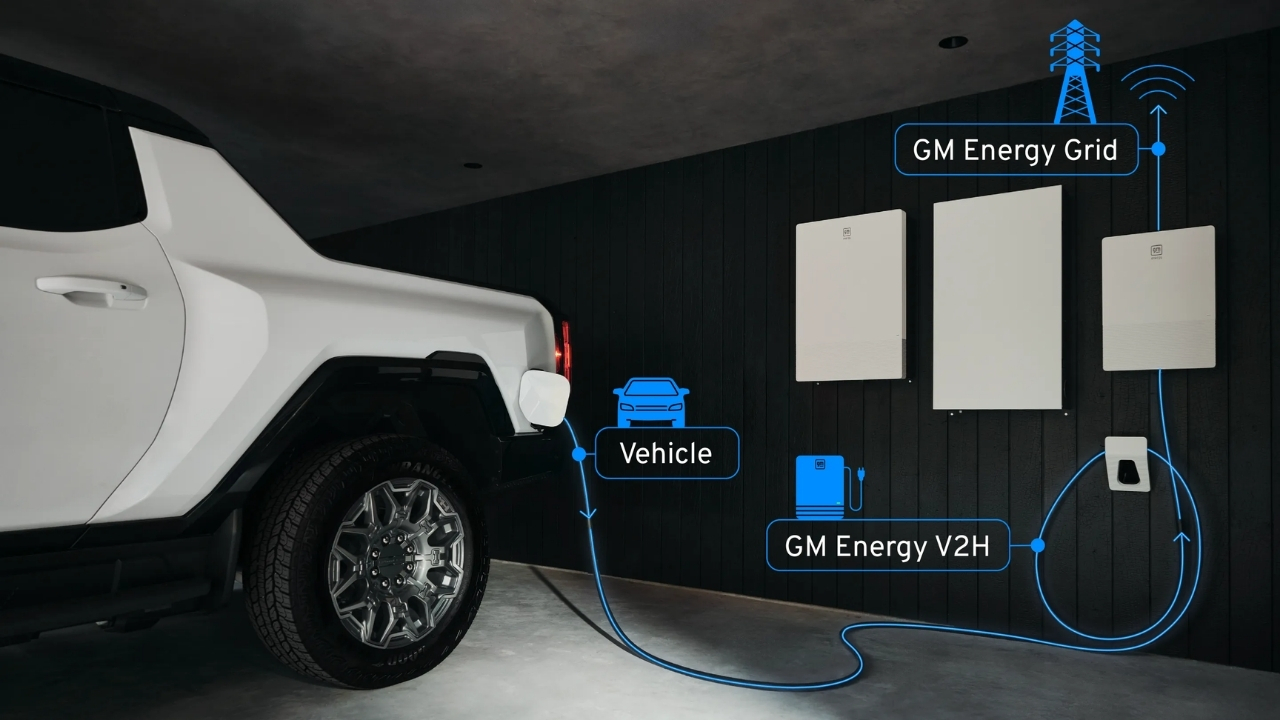
GM reported that there are more than 250,000 bidirectional electric vehicles from Chevrolet, Cadillac, and GMC brands on the streets of the United States. In theory, the combined capacity of these batteries could power 120,000 homes for up to a week.
This number does not mean that the entire fleet will be used at the same time, nor that the energy will always be available to the grid. The data shows the size of the accumulated potential in electric cars that remain parked for much of the day.
AI data centers increase pressure on the electrical infrastructure
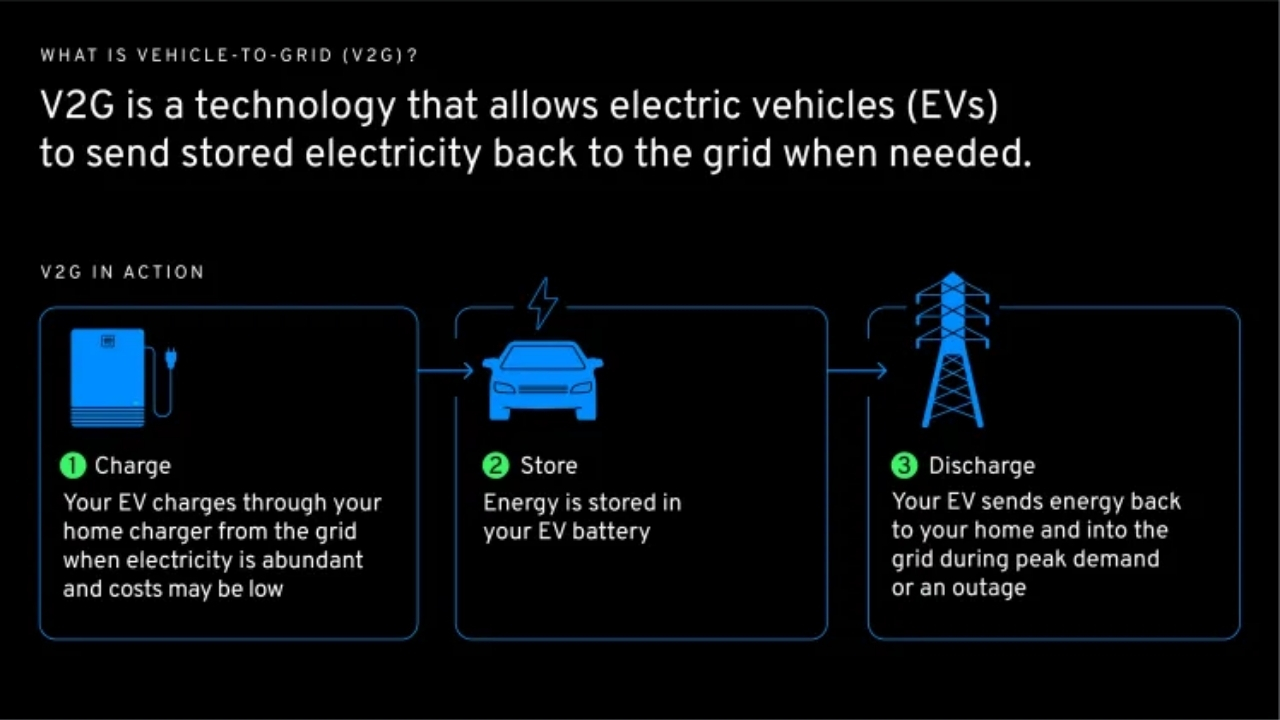
The advancement of artificial intelligence data centers appears as one of the factors that make the debate more urgent. These structures require a large volume of electricity to maintain servers, cooling, and continuous operation.
In this scenario, GM tries to position electric cars as part of a more flexible network. The idea is that, at peak times, connected batteries can help relieve the system, reducing pressure on utilities and local infrastructure.
Tests involve California and Michigan
GM is already testing the technology in two American states. In Northern California, the company is working with PG&E to develop a localized fleet of 52,000 electric vehicles aimed at grid balancing protocols, with operation planned for 2030.
In Michigan, the automaker is working with DTE Energy on bidirectional charging tests using the homes of 30 employees as real cases. These projects help measure how the technology behaves outside the laboratory, in homes connected to the grid.
GM says consumers may have financial returns
Sterling Anderson, GM’s product director, stated in a prepared statement for the event that electric vehicles, batteries, and power grids can work together. The company’s vision includes benefits for dealerships, the electrical system, and vehicle owners.
The logic is that the owner could be compensated for allowing controlled use of the energy stored in the car. Even so, the model depends on rules, contracts, dealership adherence, and secure technical integration.
V2G still depends on regulation and energy company adherence
Bidirectional charging does not rely solely on technology embedded in the cars. Wade Sheffer, vice president of GM Energy, advocated in an open letter for regulators to formalize the V2G infrastructure.
He also cited reports from the International Energy Agency, the IEA, which point to V2G as one of the technologies with the greatest capacity for time flexibility to limit future network investment costs. The obstacle, therefore, is not just the car: it is the coordination between manufacturers, governments, utilities, and consumers.
Sodium-ion batteries target industrial storage, not cars
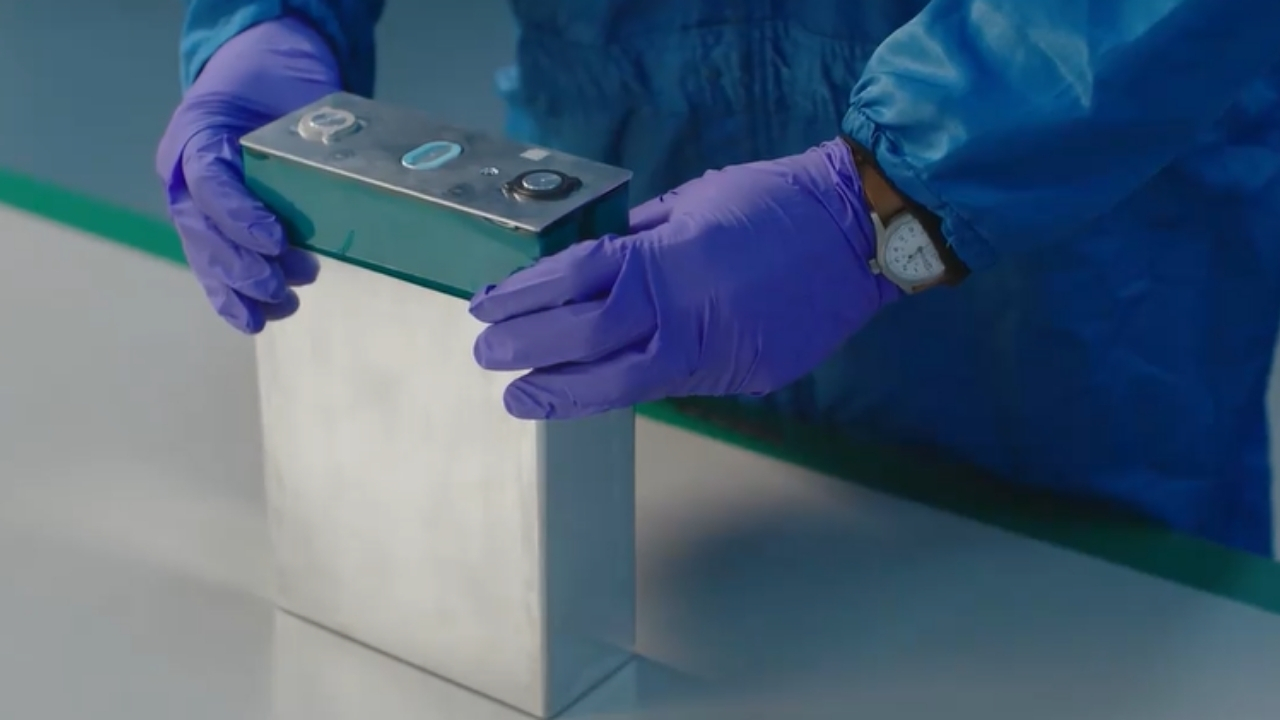
In addition to electric cars, GM announced a strategy for commercial energy storage with sodium-ion batteries. The technology will be developed in partnership with Peak Energy for industrial and grid-scale applications.
According to GM itself, this chemistry is more suitable for stationary storage than for electric vehicles at this time. The priority is longevity, cycle life, stability, and cost efficiency, not necessarily autonomy, weight, or automotive performance.
Sodium chemistry can reduce complexity in large systems
In a text published by GM News on June 9, 2026, Kurt Kelty, vice president of battery and sustainability at the automaker, explained that sodium-ion batteries work similarly to lithium-ion ones, but with important differences in behavior.
The company claims that this technology can operate over a wider temperature range and for more cycles, with the potential to reduce the need for active cooling in stationary systems. Less cooling can mean less hardware, less maintenance, less noise, and a lower risk of failure.
Peak Energy enters as a partner in network storage
The partnership with Peak Energy appears as part of the attempt to bring sodium-ion batteries to industrial-scale storage systems. GM claims that the partner’s platform already demonstrates how this chemistry can contribute to lower costs and greater reliability.
This point is important because the technology is not being presented as an immediate replacement for electric car batteries. The main application is in the power grid, in installations that need to store energy for long periods and operate safely.
Reused batteries also enter the energy plan
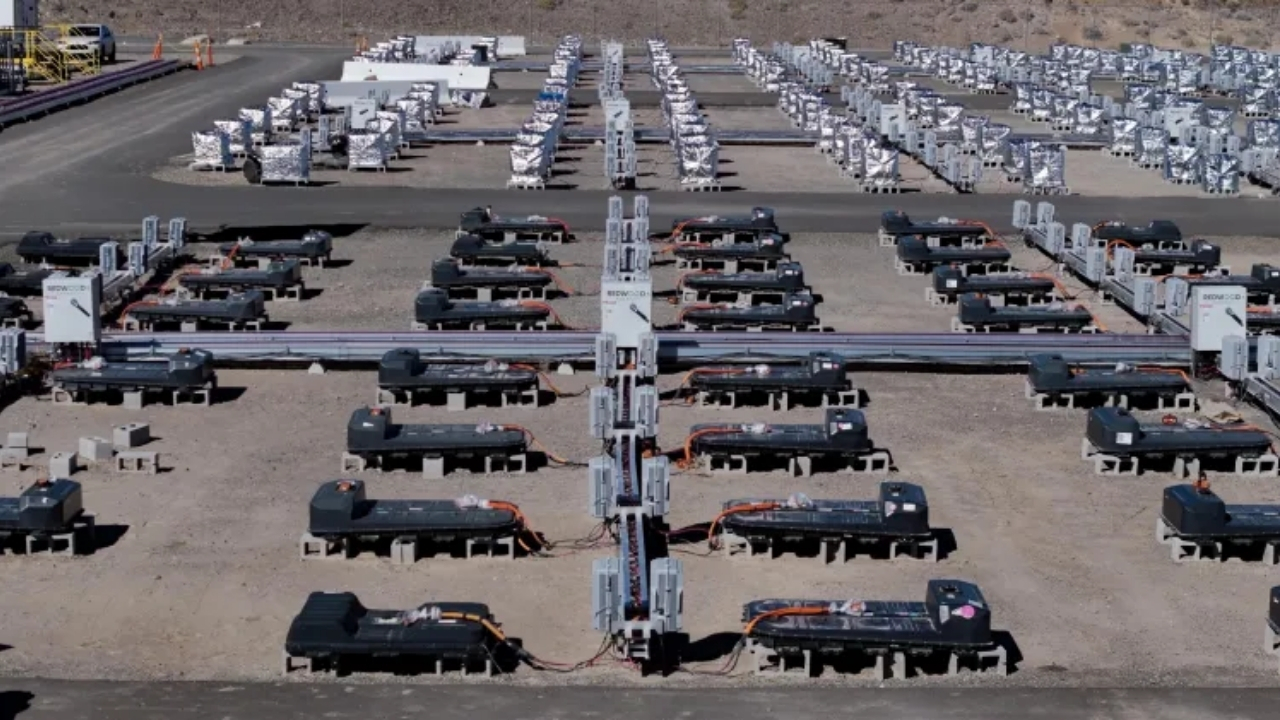
GM is also working with Redwood Materials to create storage from batteries manufactured in the United States and second-life packs coming from its vehicles. The automaker itself reports that about 10,000 GM batteries are being deployed in energy infrastructure, including the AI data center of Crusoe in Sparks, Nevada.
Starting next year, GM plans to use about 100 second-life batteries in a factory in Michigan. The system is expected to provide 7.2 MWh of dispatchable energy and save more than $3 million in local electricity costs over the facility’s lifetime.
Energy Pass targets another problem of electric cars: public charging
GM also announced the Energy Pass, a feature that will be integrated into the Chevrolet, Cadillac, and GMC brand apps. The tool will allow finding, initiating, and paying for charges on third-party networks, including Tesla, Electrify America, and IONNA.
The company also plans to add EVgo and ChargePoint. The goal is to reduce the fragmentation of public charging, a problem often cited by consumers considering buying electric cars.
Strategy expands GM’s role beyond vehicle sales
GM launched GM Energy in 2022 to compete in the home energy and storage market. The division sells residential chargers, stationary batteries, and vehicle-to-home kits, which allow using the car’s battery to power a house in case of a blackout.
Now, the strategy is advancing to a larger scale. The automaker is trying to transform vehicles, new batteries, reused batteries, and industrial systems into an energy platform. The change shows how electric cars are no longer seen just as automotive products.
Electric grid becomes a new field of competition for automakers
The growth in energy demand, especially with AI data centers, is creating new opportunities for companies that can store and redistribute electricity. In this scenario, automakers are starting to compete with energy, technology, and infrastructure companies.
GM is trying to use its base of electric vehicles, its battery expertise, and its partnerships to enter this market. But the real scale will depend on regulation, consumer adoption, utility capacity, and the economic viability of the projects.
Plan could change the way consumers view the car
If the technology advances, the owner of an electric vehicle might look at the battery differently. It will continue to serve for transportation, but it could also support the house, the grid, and, in some cases, generate financial return.
This new role of electric cars still depends on infrastructure, clear contracts, and consumer trust. Even so, GM’s strategy shows that the competition for the future of mobility may increasingly be linked to the future of energy.
Would you agree to let your electric car’s battery help the grid during peak hours if there was financial compensation and guaranteed security? Leave your opinion in the comments.