Portuguese
  Spanish


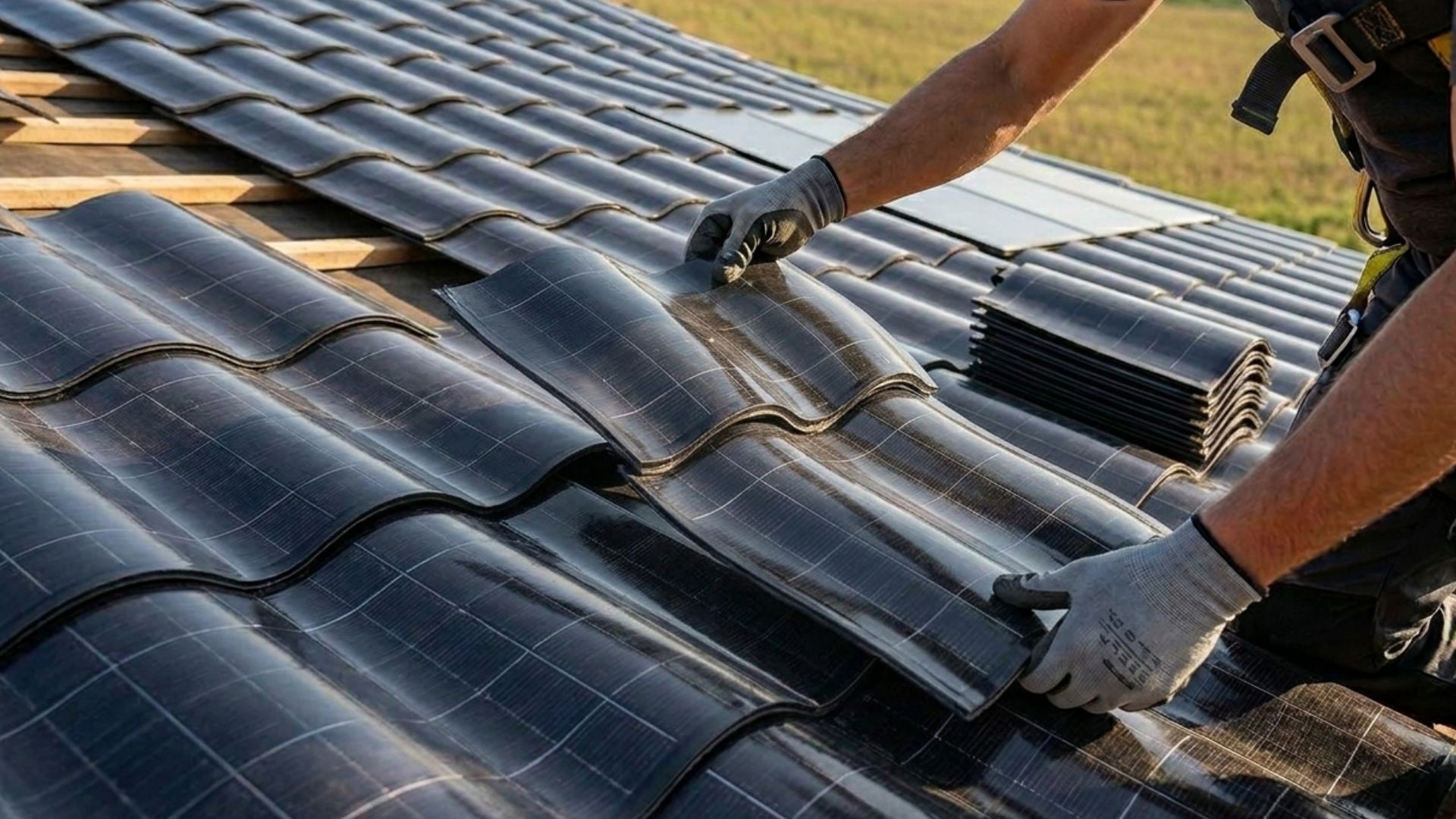

Discover how solar tiles are replacing classic tiles in a sustainable European trend that boosts clean energy, reduces electricity costs, and transforms the construction market.
The replacement of classic tiles with smarter solutions is no longer a distant promise and is starting to gain traction in some European countries. According to an article from Revista Oeste, at the center of this transformation are solar tiles, a technology that integrates clean energy generation directly into the roof, reducing electricity costs and enhancing the efficiency of modern buildings.
This movement is part of a strong sustainable European trend, driven by strict environmental goals and the quest for energy independence. The impact is direct: homes and buildings begin to produce their own energy, reducing dependence on traditional sources and contributing to a more efficient urban model.
Right from the start, the scenario is evident. The roof has ceased to be just protection against sun and rain and has begun to play a strategic role in energy generation. This change redefines contemporary architecture and paves the way for a new construction standard on a global scale.
-
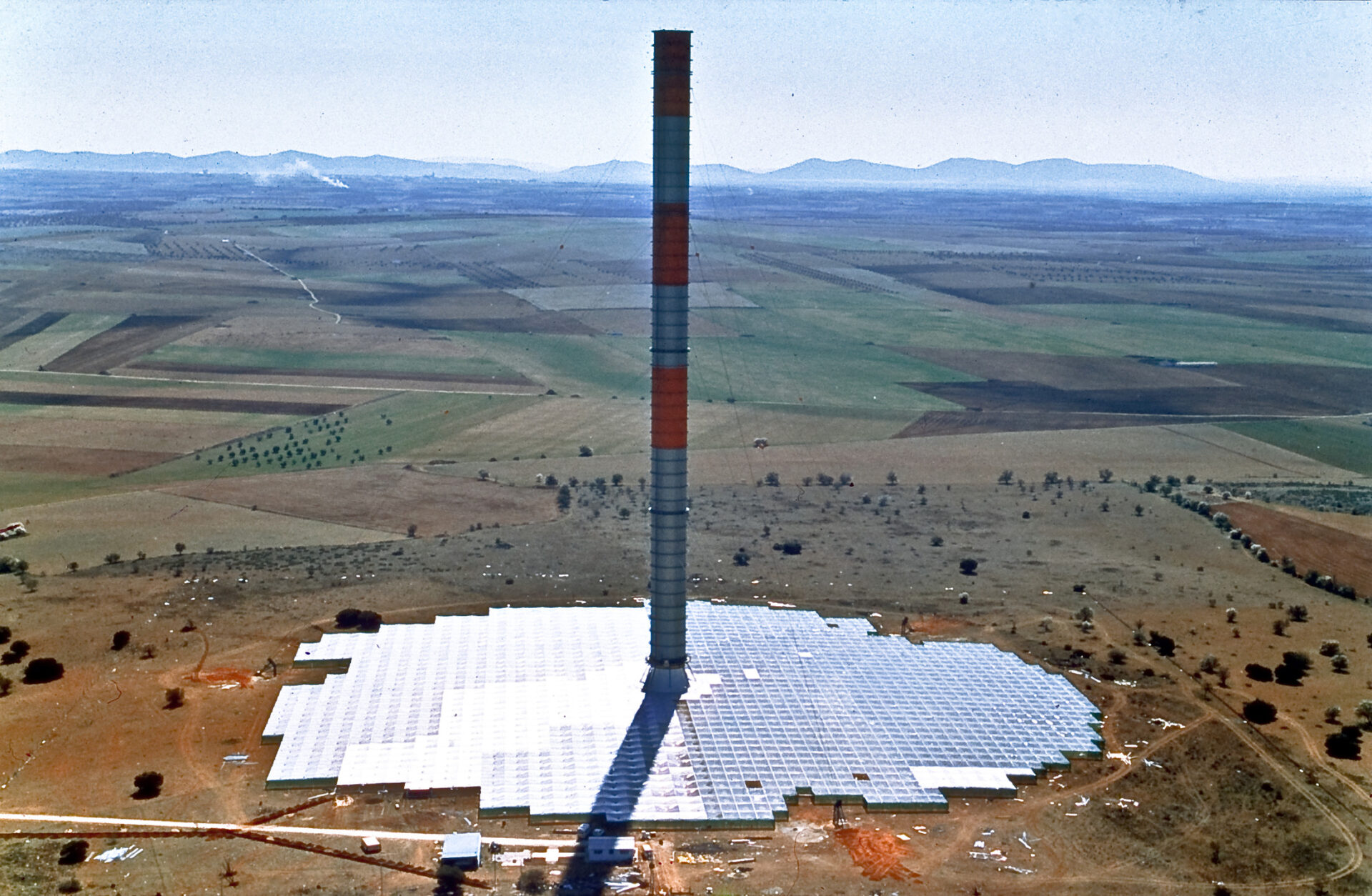
Solar Chimney in Spain Harnessed Sun to Generate Electricity for 7 Years Without Burning Fuel

-
Solar energy reaches 55 GW, becoming the second largest power source in Brazil’s energy mix

-
Solar energy can increase property value by up to 10% and become a selling point.
-
Solar and wind energy surpass natural gas for the first time in the world and accelerate energy revolution


Why classic tiles are losing ground to solar tiles in Europe
For decades, classic tiles dominated the construction industry, especially for their durability and traditional aesthetics. However, the current context demands more efficient solutions aligned with environmental needs.
The growing need to reduce carbon emissions and increase the use of clean energy pressures the sector to innovate. In this scenario, solar tiles emerge as a natural alternative, as they transform an existing structure into an active energy source.
The sustainable European trend is driven by public policies and climate goals. The European Union, for example, has set carbon neutrality targets by 2050, which accelerates the adoption of integrated construction technologies.
The expansion of clean energy in Europe helps explain the advancement of solar tiles. According to the International Energy Agency, the European Union added about 61 GW of solar capacity in 2023, a 45% increase from the previous year, driven by energy policies and the recent energy crisis.
Furthermore, there is a shift in mindset. The European consumer is more conscious and seeks solutions that combine savings, sustainability, and property value enhancement.

How solar tiles work and their efficiency in generating clean energy
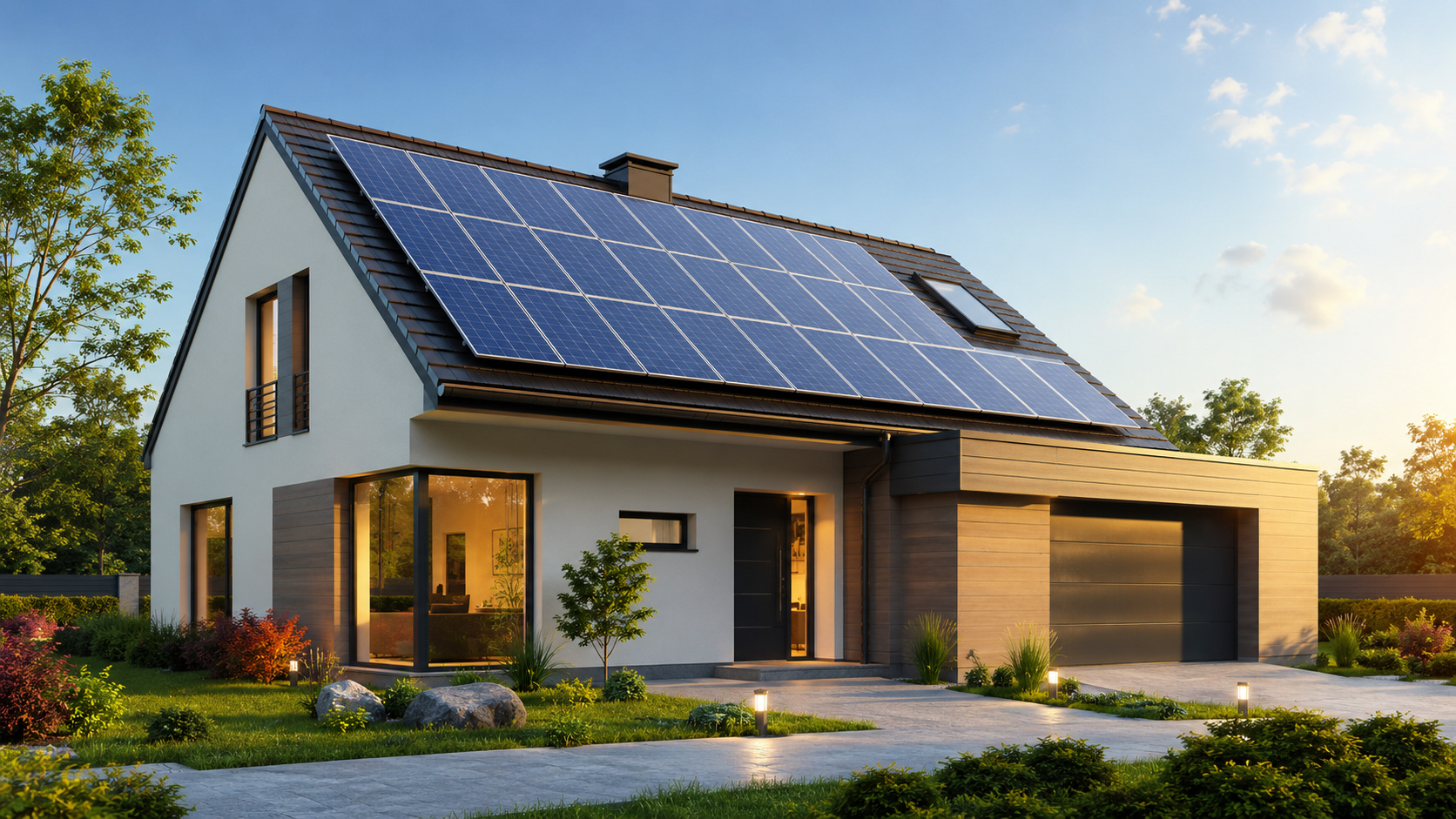
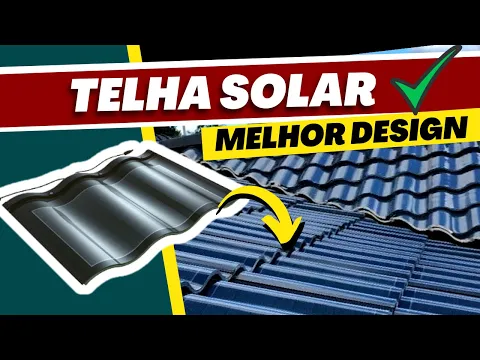
Solar tiles work from photovoltaic cells integrated into the tile material itself. Unlike traditional panels, they completely replace classic tiles, maintaining structural function while adding the capability to generate clean energy.
One of the most promising technologies is thin-film, which allows for greater flexibility and adaptation. This facilitates installation on different roof shapes, including curved surfaces.
Among the main features of this technology are:
- Energy generation directly on the roof
- Lightweight and adaptable material
- Discreet integration into architectural design
- Consistent efficiency in converting sunlight
Another important point is the ability to absorb light, even in less than ideal conditions. This increases energy utilization throughout the day and reinforces the role of solar tiles within the sustainable European trend.
Check out more information about solar tiles:

Economic and environmental benefits accelerating the sustainable European trend
The adoption of solar tiles goes far beyond a technological choice. It is a strategic decision that directly impacts the consumer’s wallet and the environment.
From an economic perspective, the main advantage is the reduction of the energy bill. By generating clean energy on their own property, the user decreases dependence on the electrical grid and can achieve significant savings over the years.
In terms of the environment, the replacement of classic tiles contributes to the reduction of greenhouse gas emissions. This is aligned with global commitments, such as the Paris Agreement.
Among the most relevant benefits are:
- Reduction of electricity costs over time
- Lower environmental impact
- Increased property value in the market
- Smart use of urban space
The sustainable European trend gains strength precisely because it brings together these factors. It is not just about sustainability, but also about efficiency and financial return.
Technical challenges and costs still limit the expansion of solar tiles
Despite the growth, the replacement of classic tiles with solar tiles still faces some obstacles. The sustainable European trend is advancing consistently, but it is not yet universal.
One of the main challenges is the initial cost. Although prices have decreased in recent years, the investment can still be higher compared to traditional tiles.
Another relevant point is durability. Technologies such as thin-film continue to evolve to ensure greater resistance to extreme weather conditions, such as heavy rains and temperature variations.
Additionally, there are regulatory issues. The distributed generation of clean energy depends on specific legislation, which varies from country to country and can influence the speed of adoption. Nevertheless, studies indicate that these challenges tend to diminish with technological advancement and increased production scale.

The role of clean energy in the transformation of the construction sector
The expansion of clean energy is directly linked to the transformation of the construction industry. Solar tiles are a clear example of how technology can be incorporated in a practical and efficient way.
By replacing classic tiles, this solution transforms the roof into an energy asset. This completely changes the logic of constructions, which are now designed from the outset to generate energy.
The sustainable European trend also influences architects and engineers. More modern projects already consider the integration of energy systems as an essential part of the work.
This movement contributes to:
- Reduction of demand for energy from fossil sources
- Greater energy autonomy of properties
- Improvement in the environmental performance of buildings
With this, the sector advances towards a smarter and more sustainable model.

Global impacts of the sustainable European trend with solar tiles
Although Europe leads this movement, the sustainable European trend is already beginning to influence other markets. Countries with high solar incidence, such as Brazil, have great potential for the adoption of solar tiles.
In the Brazilian scenario, solar energy is growing rapidly. Sector data shows continuous expansion of distributed generation, driven by the search for savings and sustainability.
The replacement of classic tiles with integrated solutions may be the next natural step. This is especially relevant in urban areas, where space is limited and needs to be better utilized.
Furthermore, the dissemination of clean energy strengthens energy security and reduces dependence on large power plants, making the system more resilient.
When innovation and architecture meet on the roofs of the future
One of the great differentiators of solar tiles is the ability to combine technology and design. Unlike traditional systems, they directly replace classic tiles, maintaining the aesthetics of the building.
This integration is essential, especially in regions with architectural restrictions. The sustainable European trend values solutions that respect the urban visual while incorporating innovation.
Another important point is versatility. New technologies allow for different finishes and shapes, expanding application possibilities without compromising the generation of clean energy. This combination of efficiency and aesthetics contributes to public acceptance and accelerates large-scale adoption.
A new construction standard driven by solar tiles and clean energy
The replacement of classic tiles with solar tiles represents a structural change in the way we build. It is not just about technological innovation, but a new vision of the role of buildings.
The sustainable European trend shows that the future of construction lies in the integration of energy efficiency, sustainability, and functionality. Roofs are no longer passive elements; they become protagonists.
By generating clean energy, reducing costs, and increasing property value, this technology positions itself as one of the main bets for the coming years. Even with challenges, the progress is consistent and points towards an increasingly sustainable scenario.
For those following the sector, the message is clear: the traditional model is being redesigned. And in this new scenario, roofs not only cover houses — they produce energy and help transform the world.