






 Portuguese
  Spanish


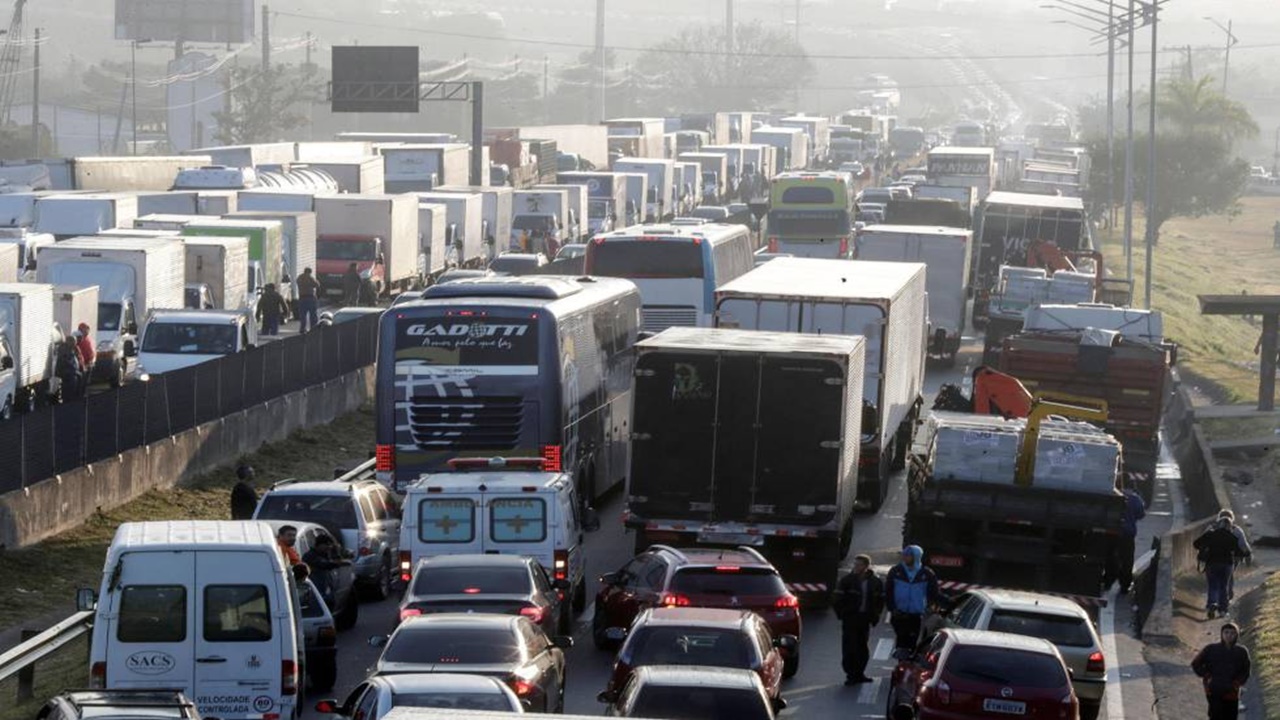

Government Tries to Negotiate Truck Drivers’ Strike Scheduled for the 1st and Refused to Waive the Application of Fines in Case of Highway Closures
The truck drivers’ strike scheduled for February 1 may be larger than the one in 2018, during Michel Temer’s government, said José Roberto Stringasci, president of the National Association of Autonomous Transporters of Brazil (ANTB). One of the category’s demands would be the adjustment of diesel prices twice a year. Sale of Cooking Gas Grows in Brazil and Could Cost Up to R$ 200 to Consumers’ Pockets Still in 2021
Also Read
- 2,000 Job Openings in Pernambuco for the Construction and Operation of the New Thermoelectric Power Plant (UTE) Based on Liquefied Natural Gas (LNG)
- Law Enacted to Penalize Fuel Theft, Robbery or Receipt in Rio de Janeiro
- Petrobras Revap Refinery Ended 2020 with Record Diesel Production
“Petrobras was not created to generate wealth for a handful; Petrobras is ours and must help the Brazilian people and Brazil (…) We want national prices for fuels, with adjustments every six months or a year. This has been one of our biggest struggles since 2018 and even before, and still today,” emphasizes José Roberto.
“This is the main point, because the major partner in national road transport is fuel (50% to 60% of the trip’s value). We want a change in fuel pricing policy,” he concludes.
-
Brazil to Introduce B16 Diesel with Increased Soybean Oil Content for Trucks by 2026
-
Brazil’s July Bolsa Família Payments May Include Extra $150 and $50 for Families with Children, Pregnant Women, and Updated CadÚnico Registration

-
Brazilian Woman Buys €1 House in Sicily, Clears 50 Truckloads of Debris, and Transforms Ancient Ruin into Inspiring Life Project by 2026

-
Havan Competitor Expands in Brazil with 170 Stores, Offering Everything from Stationery to Asian Food and Focusing on Affordable Products to Attract Shoppers



The category also demands a minimum freight price, currently stalled at the Supreme Federal Court (STF), following an appeal from agribusiness, and the implementation of the Transport Operation Identification Code (Ciot), two measures created after the 2018 strike.
Negotiation
Government officials refused to waive the application of fines in case of highway closures. “We will not allow it; there will be heavy fines,” said a minister who chose to remain anonymous in an interview with UOL.
The Minister of Infrastructure, Tarcísio Freitas, is leading the negotiations. However, the Civil House, the Institutional Security Office (GSI), the Ministry of Justice, and the Attorney General’s Office are also seeking alternatives to avoid effects stemming from this possible strike.
According to the government, not all the demands and requests made by the truck drivers can be met in advance, but dialogue is open.
Diesel Pricing Policy
Since 2016, Petrobras has adopted the Import Parity Price (IPP) to adjust fuel prices in Brazil. At that time, adjustments were almost daily, following the fluctuations of the international market, but now there is no set deadline.
Petrobras has not raised diesel prices since the end of 2020. Importers question the pricing policy – with lag, the import windows remain closed. Petrobras denies any price withholding.


