Portuguese
  Spanish


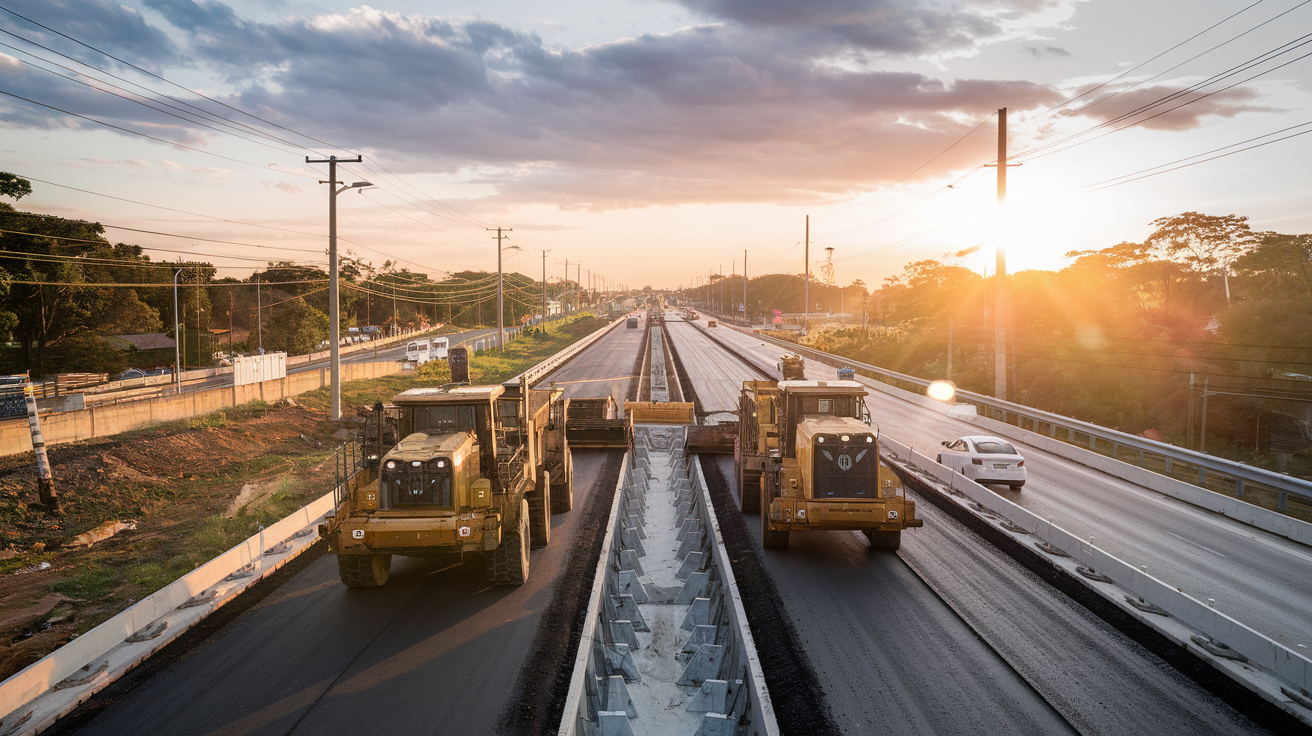


Federal Government Announced R$ 6.38 Billion to Triple BR-277 and Double 350 Km of Highways in Paraná. The Works, Executed by EPR Litoral Pioneiro, Also Include Improvements to the Access to the Port of Paranaguá.
Those traveling on the highways of Paraná can prepare for a significant change in the state’s road infrastructure.
The Federal Government confirmed a billion-dollar investment to expand and modernize strategic sections, promising to improve the flow of vehicles and optimize the evacuation of agricultural production.
However, this transformation does not happen overnight, and the impacts will be felt in the short and long term.
-
Brazilian Startup Turns Coffee Grounds into Plant-Based Leather, Cutting Water Use by Over 50 Times for High-Impact Sustainable Fashion

-
Eco Invest Auction Aims to Unlock $10 Billion in Investments, Focusing on Green Fertilizers, Critical Minerals, Batteries, and AI for Clean Industry in Brazil

-
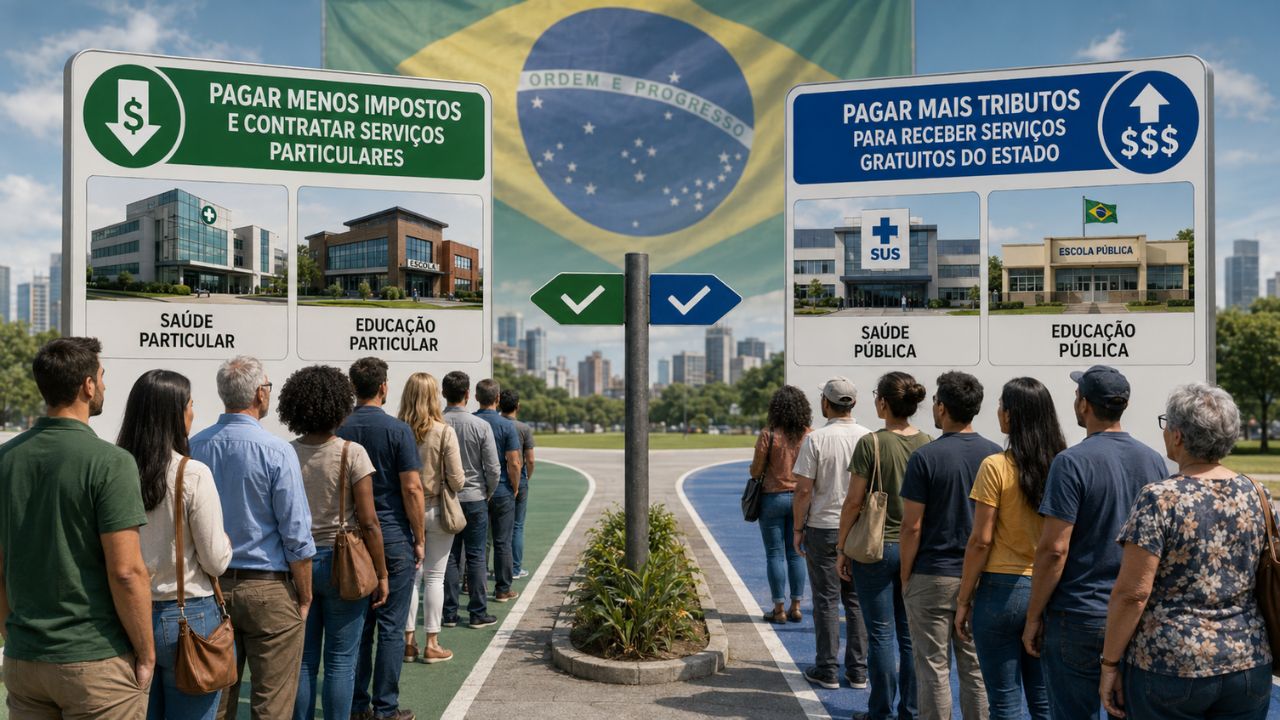
Half of Brazilians Prefer Lower Taxes with Private Health and Education, While 44% Opt for Higher Taxes for State-Provided Services, Datafolha Survey Reveals

-
Brazil’s Most Expensive Toll Rises to R$ 40.60 on Route from São Paulo to the Coast, Nearly Matching Bus Fare to Santos



The financing, in the amount of R$ 6.38 billion, was announced this Wednesday (29) and will be allocated to the concessionaire EPR Litoral Pioneiro, responsible for the Lote 2 of the highways in Paraná.
The investment includes the tripling of BR-277, the highway that connects Curitiba to the coast, as well as the duplication of over 350 kilometers, the implementation of 138 km of additional lanes, and 73 km of marginal roads.
According to the G1 portal, part of the amount will also be directed toward expanding access to the Port of Paranaguá, one of the main export corridors of Brazilian agribusiness.
According to the Federal Government, the project is part of the New Growth Acceleration Program (PAC) and was announced at an official event in Brasília (DF), attended by President Luiz Inácio Lula da Silva (PT).
Source of Investment
According to the Federal Government, R$ 5.55 billion of the financing comes from the issuance of debt securities, while the other R$ 829 million will be obtained through direct financing.
The President of the National Bank for Economic and Social Development (BNDES), Aloizio Mercadante, highlighted that the restructuring of the highways will directly impact the competitiveness of Brazilian exports.
“This new structure will increase productivity, will enhance the efficiency of a port that receives not only the grain production from Paraná but also from Mato Grosso do Sul, Mato Grosso, and Goiás”, declared Mercadante.
Phases of the Work and Schedule
The EPR Litoral Pioneiro informed that the project will be executed in three phases. The first, which is already underway, focuses on emergency works. The larger interventions will occur between the second and eighth year of the contract.
In the next eight years, the concessionaire intends to invest a total of R$ 8 billion to revitalize 605 km of highways under its administration.
Of this amount, R$ 1.3 billion will be allocated for the recovery of existing sections, while R$ 6.7 billion will be applied to expansions and improvements.
Highways Covered
The works package includes both federal highways and state highways in Paraná. Check the list of roads that will undergo transformations:
Federal:
- BR-153
- BR-277
- BR-369
State:
- PR-092
- PR-151
- PR-239
- PR-407
- PR-408
- PR-411
- PR-508
- PR-804
- PR-855
Expected Impacts and Challenges
With the expansion of the highways, it is expected that the traffic of heavy vehicles will be optimized, reducing frequent congestion on BR-277, especially during harvest periods.
Additionally, the duplication of critical sections may decrease accident rates, making circulation safer for drivers and pedestrians.
However, the project also faces challenges, such as possible delays in execution due to bureaucratic, environmental, and even logistical issues.
Experts warn that monitoring the schedule and quality of the works will be essential to ensure that the promised benefits are delivered on time and as planned.
The expansion of the road network may also impact local communities, requiring careful planning to avoid excessive expropriations and minimize socioeconomic impacts.
A Necessary Transformation?
In light of such a significant investment, the question arises: will these works really solve the historical problems of Paraná’s highways or merely postpone future complications? Share your opinion in the comments!