Portuguese
  Spanish





Inpasa Confirms New Investment Cycle in Brazil with Expansion of Plants and Progress in Corn Ethanol, Strengthening Biofuel Production in Goiás, Mato Grosso, and Bahia and Boosting National Energy Transition.
Inpasa, the largest corn ethanol producer in Latin America, announced a new expansion cycle in Brazil with R$ 7 billion in investments. According to a report published by CNN Money this Thursday (12), the funds will be directed towards the inauguration of new industrial units and the expansion of production capacity in strategic states such as Goiás, Mato Grosso, and Bahia. The announcement was detailed by Renato Teixeira, the company’s director of Communication and Marketing, emphasizing the company’s progress in the biofuel sector and its role in the national energy transition.
The company is about to inaugurate its sixth Brazilian plant in Luiz Eduardo Magalhães. Additionally, it maintains three plants under construction: one in Goiás and two in Mato Grosso, one in Rondonópolis and another with production expansion in Nova Mutum. This move consolidates Brazil as a highlight in corn ethanol and biofuel production.
Since it began operations in the country in 2019 with a unit in Sinop, the company has invested over R$ 15 billion in national territory. The new package reinforces the company’s strategy of accelerated growth, which, according to its director, has been achieving an average expansion of 50% per year.
-
Brazil Advances with JetBio’s Megaproject to Build the World’s Largest Ethanol-Based Sustainable Aviation Fuel Plant, Aiming to Become a Global Exporter

-
Brazil on Track for Record 40.7 Billion Liters of Ethanol in 2026/27 Season, Driven by Corn Ethanol
-
Petrobras Approves $1.2 Billion Refinery in Brazil to Produce Aviation Fuel and Diesel from Plants
-
US$ 7 billion, green hydrogen, and steel with up to 95% less CO₂: the first green steel plant on the planet emerges in Sweden and targets Brazil as the next chapter


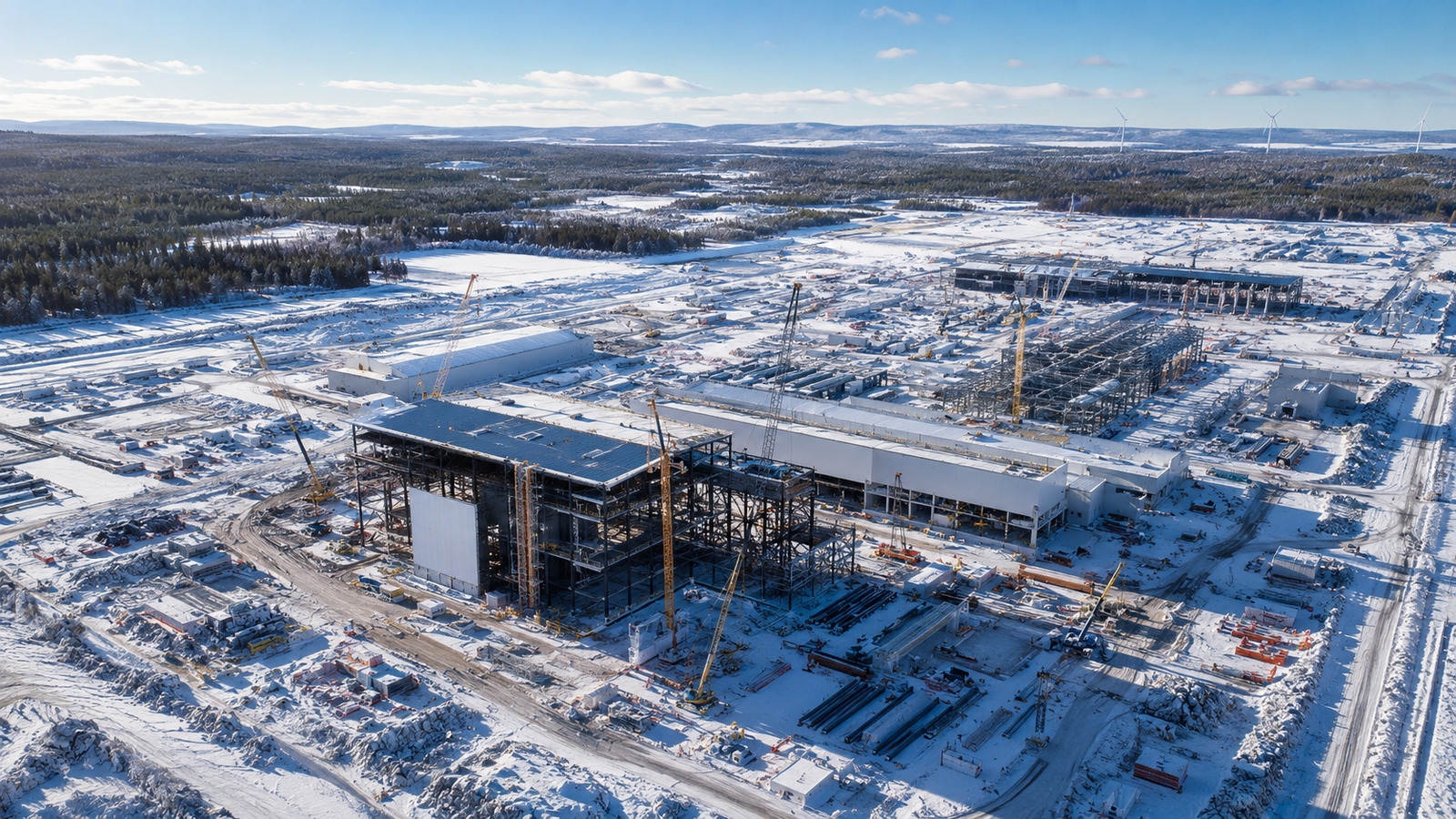
Inpasa Expands Investments and Strengthens Corn Ethanol in Brazil
Inpasa consolidates its leadership by directing R$ 7 billion in investments towards new plants and industrial expansion. The main focus is on the expansion of corn ethanol, a segment that is growing consistently within the Brazilian energy matrix.
Brazil currently holds the second position worldwide in ethanol production, behind only the United States. In this context, Inpasa stands out as one of the largest global producers of corn ethanol, increasing its relevance in the international biofuel market.
Inpasa’s growth accompanies the expansion of Brazilian agribusiness. The availability of winter corn and logistical efficiency in producing states guarantee competitiveness for the sector. Moreover, the company adopts high energy efficiency technologies, reducing operational costs and emissions.
This scenario strengthens the business environment for new investments and boosts the consolidation of corn ethanol as a sustainable alternative to fossil fuels.
Corn Ethanol and Biofuels Gain Prominence in Decarbonization
Corn ethanol now accounts for approximately 30% of national biofuel production. This percentage highlights the rapid transformation of the sector, which a few years ago was almost exclusively dominated by sugarcane ethanol.
The main competitive advantage for Brazil lies in the possibility of two harvests in the same agricultural year. During the summer, producers grow soybeans. Then, they use the same area for winter corn, allowing for greater land utilization and increased productivity without the need for significant agricultural frontier expansion.
The integration between agriculture and energy makes the Brazilian model more efficient. Additionally, corn ethanol has a lower carbon intensity compared to fossil fuels, contributing directly to global climate goals.
Sectors such as aviation and maritime transport seek low-carbon alternatives. Therefore, Brazilian biofuels emerge as a viable and already available solution. Sustainable aviation fuel (SAF), for instance, can be based on ethanol, expanding market possibilities.
Inpasa Boosts Regional Development with New Investments
Inpasa’s investments impact not only the energy sector but also promote regional development in the areas where the plants are installed. In Mato Grosso, the country’s main corn producer, the company’s presence strengthens local industrialization. Municipalities like Sinop, Nova Mutum, and Rondonópolis establish themselves as strategic hubs of the biofuel chain. Proximity to raw materials reduces logistical costs and increases productive efficiency.
In Goiás, the new plant expands the industrial presence in the Midwest, while in Bahia, the unit in Luiz Eduardo Magalhães strengthens the agribusiness of Matopiba. The internalization of investments generates jobs and diversifies the regional economy. In addition to corn ethanol, the plants produce co-products such as DDG (dried distillers grains), used in animal feed. This adds value to the processed corn and strengthens associated productive chains.


Sustainable Growth of Inpasa in the Biofuels Market
Inpasa’s growth strategy is aligned with principles of sustainability and industrial efficiency. The use of modern technology in the industrial plants allows for greater energy utilization and less waste.
The biofuel sector in Brazil is regulated by public policies such as RenovaBio, which encourages the production of renewable fuels through emissions reduction certification. This regulatory environment creates predictability and stimulates new investments.
Regulatory predictability is essential to attract capital to the biofuels sector. In this context, Inpasa’s expansion demonstrates confidence in the Brazilian market and the stability of the national energy framework.
Additionally, the average growth of 50% per year mentioned by the company highlights the consolidation of corn ethanol as a strategic segment. The increase in demand for renewable energy, both in the domestic and international markets, supports this trend.
The Strategic Role of Corn Ethanol in Inpasa’s Investments
Corn ethanol has shifted from being supplementary to becoming one of the pillars of the Brazilian energy matrix. With a growing share in national biofuel production, the segment increases its economic and environmental relevance.
The combination of agricultural availability, industrial scale, and technology places Brazil in a privileged position in the international scenario. Furthermore, the global demand for low-emission fuels is expected to grow over the coming decades, driven by climate agreements and corporate carbon neutrality targets.
The world will need more renewable energy — and Brazil has the capacity to offer it. In this context, Inpasa’s investments strengthen national competitiveness and enhance the country’s prominence on the climate agenda.
Industrial expansion also contributes to greater energy security. By producing biofuels domestically, Brazil reduces dependence on imported fossil fuels and improves its balance in the energy trade.
Perspectives for Inpasa, Investments, and Biofuels in Brazil
The announcement of R$ 7 billion in investments reinforces Inpasa’s long-term vision in Brazil. The inauguration of the sixth plant and the construction of new facilities demonstrate confidence in the expansion of corn ethanol and in the consolidation of biofuels as a sustainable energy solution.
The company, which has already surpassed R$ 15 billion invested in the country since 2019, maintains an accelerated growth pace and expands its productive capacity in strategic states. This move strengthens agricultural chains, generates jobs, and stimulates technological innovation.
Furthermore, the advancement of corn ethanol contributes to the decarbonization of emission-intensive sectors, such as heavy transport, aviation, and navigation. Therefore, the announced expansion represents not only business growth but also structural progress in the Brazilian energy matrix.
In this context, Brazil enhances its position as a global power in renewable energy. The combination of efficient agriculture, industrial technology, and favorable public policies creates a solid environment for new cycles of investment and sustainable growth in the coming years.