






 Portuguese
  Spanish


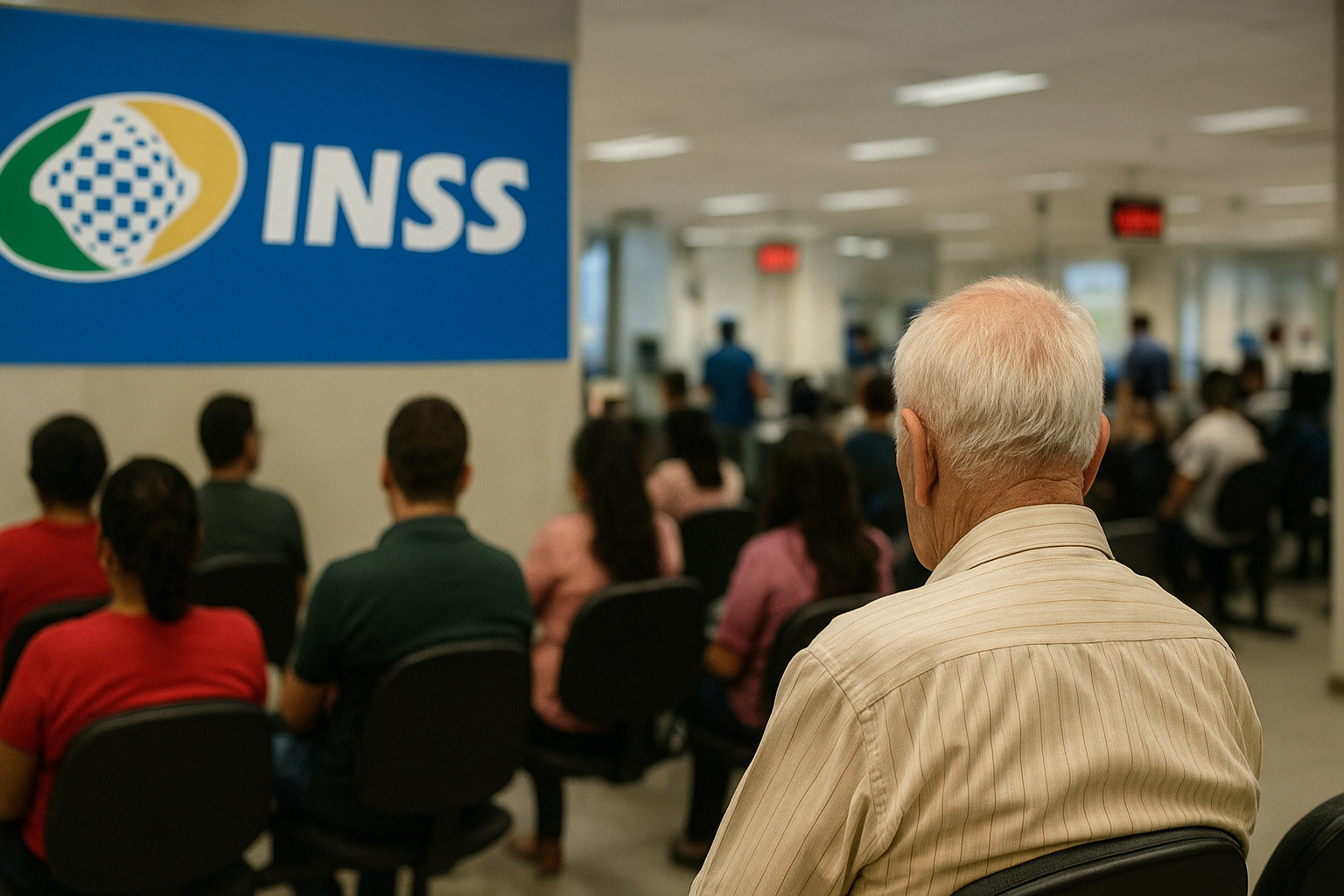

INSS Suspends Queue Reduction Program After Seven Months Due to Lack of Funding, Affecting 2.6 Million Brazilians. Understand the Impact.
INSS Halts Queue Reduction Program and Warns of Lack of Resources
The National Institute of Social Security (INSS) suspended on Wednesday (15) the Benefit Management Program (PGB), created to reduce the queue of 2.63 million Brazilians awaiting analysis of social security benefits.
The decision, signed by President Gilberto Waller Júnior, was communicated to the Ministry of Social Security and takes effect immediately across Brazil.
Thus, the measure comes after seven months of continuous operation of the program and reflects the lack of budgetary resources.
-
Brazilian Startup Turns Coffee Grounds into Plant-Based Leather, Cutting Water Use by Over 50 Times for High-Impact Sustainable Fashion

-
Eco Invest Auction Aims to Unlock $10 Billion in Investments, Focusing on Green Fertilizers, Critical Minerals, Batteries, and AI for Clean Industry in Brazil

-
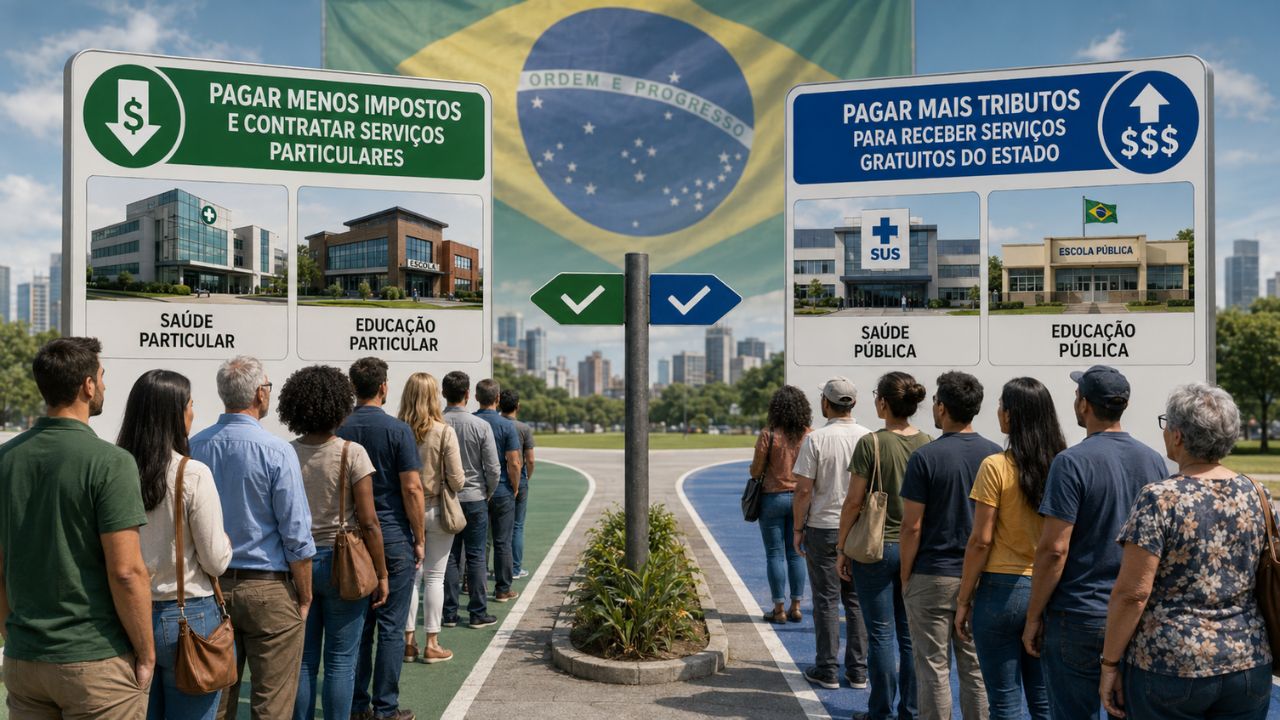
Half of Brazilians Prefer Lower Taxes with Private Health and Education, While 44% Opt for Higher Taxes for State-Provided Services, Datafolha Survey Reveals

-
Brazil’s Most Expensive Toll Rises to R$ 40.60 on Route from São Paulo to the Coast, Nearly Matching Bus Fare to Santos



As a result, the government temporarily halts efforts to speed up service, which may lead to new delays and direct impacts on the national economy.
Furthermore, the suspension indicates a financial management crisis that threatens the progress of essential policies aimed at the population that relies on the INSS.
Lack of Resources Leads to Immediate Suspension
The president of the INSS sent a letter to the Ministry of Social Security requesting a supplementation of nearly R$ 89 million to maintain the program.
The document states that, without these resources, the PGB would cause serious administrative impacts on the agency.
“The suspension is temporary and necessary given the current budgetary unavailability,” Waller said in the statement.
Thus, with the decision, the INSS halts all new benefit analyses. Ongoing tasks revert to normal queues. Social Services outside working hours are also suspended.
Program Was Essential to Speed Up Services
The PGB was implemented in April 2025 with the aim of reassessing payments and speeding up the analysis of new requests, replacing the old Queue Management Plan for Social Security, which ended in 2024.
The program paid R$ 68 bonuses per analyzed process and R$ 75 for completed medical examinations to servers who exceeded productivity targets, respecting the salary cap of R$ 46,3 thousand.
This initiative, according to the INSS itself, was fundamental to reduce the waiting time for beneficiaries and improve the internal flow of concessions.
However, the budget of R$ 200 million allocated for 2025 has already been fully consumed, which made its continuity unfeasible.
Reflection of Brazil’s Fiscal Scenario
The suspension of the PGB exposes the fiscal difficulties faced by the federal government, which seeks to balance public accounts and avoid a budget deficit by 2026.
The problem gained momentum after the defeat of the provisional measure that raised taxes on investments and online gambling, considered essential to achieve the target of primary surplus advocated by the Ministry of Finance.
Thus, with budget cuts, social and administrative programs — like the INSS — end up facing temporary halts, compromising the efficiency of public services and the pace of the economy.
Queue Reduction May Be Compromised
The suspension of the PGB halts recent progress in reducing the benefits queue. Without the bonuses and the reinforcement of staff, the INSS sees the risk of the queue increasing again.
Millions of Brazilians who depend on assistance, pensions, and retirements feel the effects of this paralysis.
Experts claim that if the program does not return quickly, the country will face a new collapse in social security service.
This interruption affects family income, decreases consumption, and further pressures the national economy.
Government Seeks Alternatives to Resume the Program
Sources linked to the Ministry of Social Security claim that budgetary solutions are being evaluated to reactivate the program still in 2025.
The expectation is that a new release of resources will occur in the coming weeks, which would allow for the gradual resumption of analyses and the normalization of services.
Meanwhile, millions of Brazilians continue to wait, amid a backdrop of uncertainty and frustration.
Thus, the suspension of the INSS program, although temporary, raises a warning about the financial sustainability of public services and the direct impact of budgetary restrictions on the lives of the population.





My brother suggested I might like this blog He was totally right This post actually made my day You can not imagine simply how much time I had spent for this info Thanks