






 Portuguese
  Spanish


Russian Investors Propose A Railway Line Between Arroio Do Sal And Paraná, But The Rail Network In RS Faces Critical Challenges. In The Meantime, New Ports Are Being Built, Raising Questions About The Future Of Transportation In The Region.
The Transportation Infrastructure In Southern Brazil Is At A Decisive Moment.
An Ambitious Railway Project Promises To Connect Important Regions, Boost Logistics, And Strengthen The Local Economy.
However, Political, Economic, And Structural Obstacles May Put This Initiative In Jeopardy. After All, Is The Proposal Viable Or Just A Business Strategy?
-
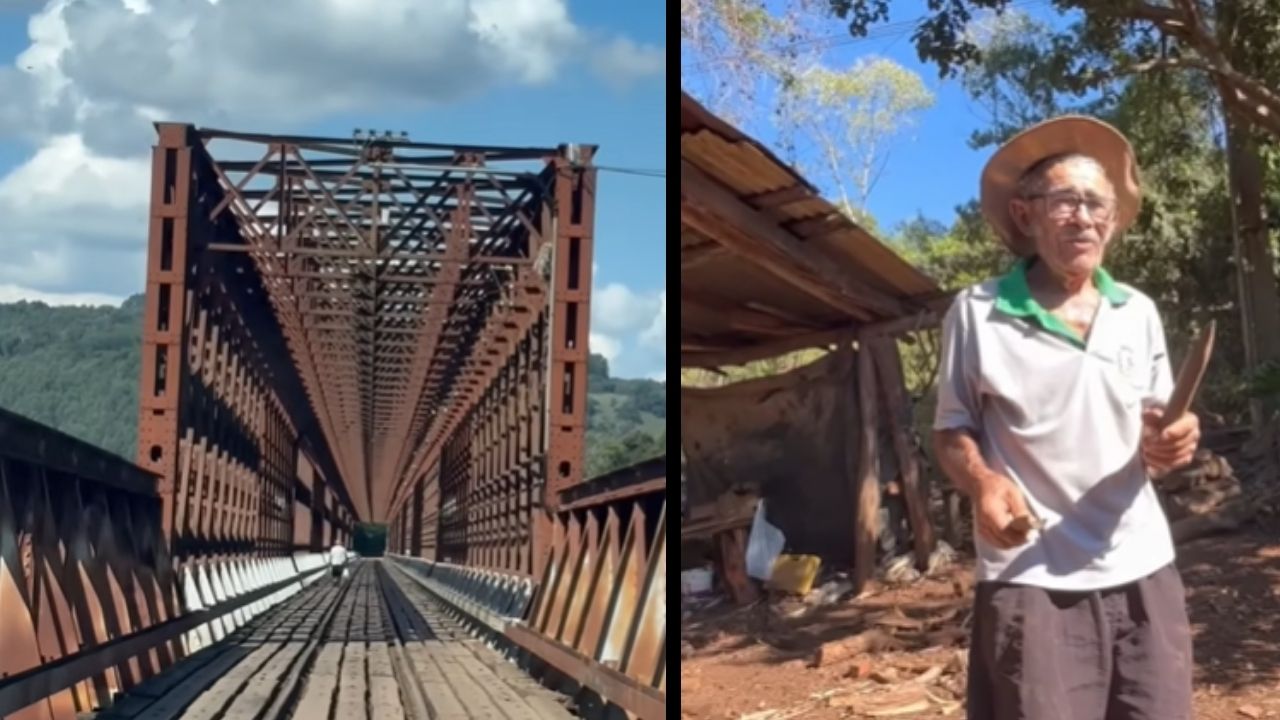
Driver Crosses 100-Year-Old Railway Bridge Over Uruguay River, Encounters Rural Couple Preserving Traditional Farming Methods

-
Rural Producer Returns to Brazilian Farmland, Builds Family Agricultural Business with Children’s Support and Industry Backing
-
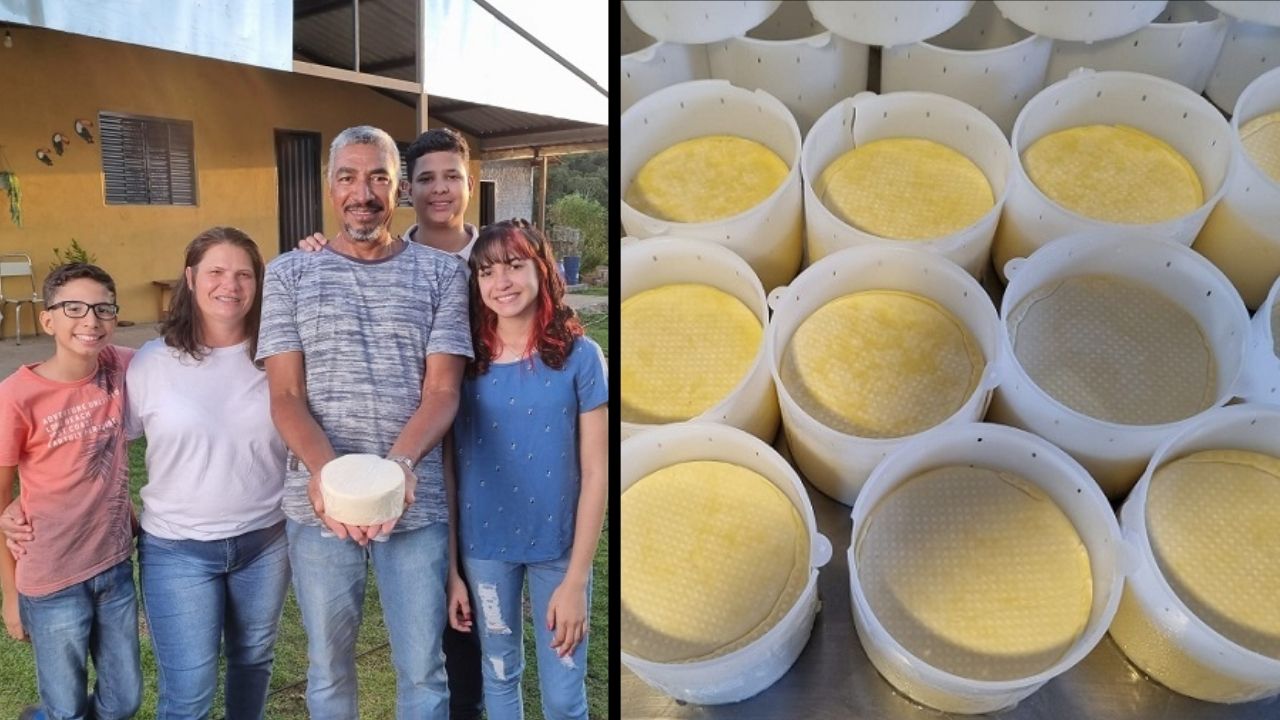
Goiás Couple Boosts Artisan Cheese Production from 25 to 70 Kilos Daily with Technical Support, Transforming Family Life in Rural Brazil
-
13-Year-Old Discovers Ancient Roman Ring Near Mount Carmel, Now Set for Display in Jerusalem


Railway Project Between Arroio Do Sal And Paraná Could Transform Logistics
The Proposal Under Review Foresees A Railway Of 1,549 Kilometers, Connecting Arroio Do Sal, On The North Coast Of Rio Grande Do Sul, To Terra Roxa, In Paraná.
The Initiative, Presented By The Company Doha Investimentos E Participações, Has Passed Through Different Stages At The National Agency For Land Transport (ANTT), But Still Awaits Final Approval.
If Implemented, The Project Will Allow The Transportation Of Cargo And Passengers, Improving The Connection Between The Two States And Relieving The Dependence On Road Transport.
Additionally, The Railway Could Generate Jobs And Attract Investments To The Region.
However, The Advancement Of The Initiative Has Been Marked By Uncertainties. ANTT Temporarily Suspended The Analysis Of The Project, Citing The Need To Reevaluate Legal Impacts.
Last Year, The Agency Resumed The Process And Requested New Documents From Doha Investimentos, Which Still Needs To Present This Information To Continue With The Authorization.
If Approved, Control Of The Railway Will Be Granted To Doha Investimentos For A Period Of 99 Years, An Extended Timeframe That Raises Questions About The Viability And Commitment Of The Company To The Project.
Russian Investors Boost The Project, But Speculations Remain
One Of The Most Notable Aspects Of The Railway Project Is The Involvement Of Russian Investors In The Financing.
The Entry Of Foreign Capital In The Infrastructure Sector Always Sparks Debates About Sovereignty And Economic Control.
Although The Company Reinforces Its Commitment To The Execution Of The Railway, Experts Point Out That Doha Investimentos Might Be More Interested In Securing The Route Of The Project Than Actually Bringing It To Life.
The Idea Would Be To Obtain The Concession To Later Negotiate It, Instead Of Directly Taking On The Construction And Operation Of The Railway.
So Far, This Possibility Has Not Been Officially Confirmed, But Doubts Remain.
If The Railway Becomes A Reality, Russian Investment May Be Determinative In Boosting The Regional And National Economy.
New Port In RS Could Change The Logistics Scenario
In Addition To The Railway, Doha Investimentos Is Also Involved In Another Crucial Project: The Construction Of A New Port In Arroio Do Sal.
Since October 2020, The Company Has Been Working On The Licensing Of The Project, Which Is Progressing.
However, A Competitor Is Already Establishing Its Presence In The Region.
DTA Engenharia, Another Company In The Sector, Recently Signed A Contract With The Federal Government To Develop Its Own Port Terminal.
The Project Has Been Approved By Regulatory Agencies And Is Expected To Bring Direct Impacts On The State’s Logistics.
The Competition Between The Two Projects Could Define The Future Of Cargo Transportation In Southern Brazil. If Both Initiatives Are Realized, The Region Could Gain A New Economic Boost.
However, If The Railway Does Not Advance, The New Port May Face Challenges To Make Its Operations Viable Without An Efficient Railway System.
Crisis In The Railway Network Of Rio Grande Do Sul
While New Projects Are Being Debated, The Existing Railway Infrastructure In Rio Grande Do Sul Is Facing A Collapse.
Currently, The State Has Approximately 1,700 Kilometers Of Tracks, But 800 Kilometers Need Urgent Repairs Due To Neglect And Flood Damage.
The Estimate Is That Recovering The Railway Network Will Cost Over R$ 3 Billion, A High Amount That Will Rely On Public And Private Investments.
With The Delay In Restructuring The Sector, The Transportation Of Goods Throughout The State Remains Impaired, Increasing Dependence On Road Modal, Which Has Higher Costs And Greater Environmental Impact.
In Light Of This Scenario, The Potential New Railway Between Arroio Do Sal And Paraná Could Be A Strategic Solution To Modernize The Sector.
However, If The Project Is Not Carried Forward, The State Will Continue To Face Logistical Challenges.
The Future Of Transportation In The South: Progress Or Stagnation?
With So Many Challenges And Uncertainties, The Transportation Sector In Southern Brazil Is At A Decisive Moment.
The Presence Of Foreign Investors Could Bring A New Horizon To The Region, But There Are Still Many Doubts About The Actual Execution Of The Projects.
If Realized, The Railway Could Represent A Logistical Revolution, Reducing Costs And Increasing The State’s Competitiveness.
However, If The Initiative Remains Just On Paper, The Region May Lose A Great Development Opportunity.
The Question That Remains Is: Will The Railway Become A Reality Or Will It Just Be Another Promise That Never Comes To Fruition?





Essa é a melhor alternativa para desenvolver a região transporte ferroviário em larga escalas, transporte de cargas e passageiros.
Há décadas, que já se aproxima de um século, que o país deixou de priorizar o transporte ferroviário em detrimento do transporte rodoviário. Tempos mais recentes, com as estradas congestionadas e complicações no setor de logística, mal conservacão e alto custo no transporte é que ficou claro a necessidade de se investir pesado no setor, mas é um projeto que não se realiza do dia pra noite porque demanda tempo e muito dinheiro. Sabemos também que investimentos como esse não priorizam necessariamente os interesses públicos e sim econômicos. O povo não tem culpa por esse atraso como muitos atribuem, porque o povo infelizmente não decide o destino do país e sim o poderio econômico global. Qual cidadão não percebe que estradas abarrotadas de caminhões com “n” eixos, não é um atraso para o país?
Atrasos para a infraestrutura do país, mas um grande negócio para os pseus investidores via cobrança de pedágios, cobranças essas que no final encarecem os produtos transportados por essas vias.
Neste País **** com 525 anos de Atraso, Você ainda acredita?!
O Sistema Político, os Empresários Inescrupulosos, o Tráfico, as Milícias e o Novo Cangaço não vão deixar isto acontecer!!!
Aqui é o Bostil, Você esqueceu deste Detalhe?!
Sem falar do Povo que é mal-educado, e desonesto, em sua grande maioria e que Não ajuda em Nada!!