Portuguese
  Spanish



Renewable Energy Investment Surpasses Fossil Fuel Investments For The First Time; Solar Energy Leads In The Global Sector.
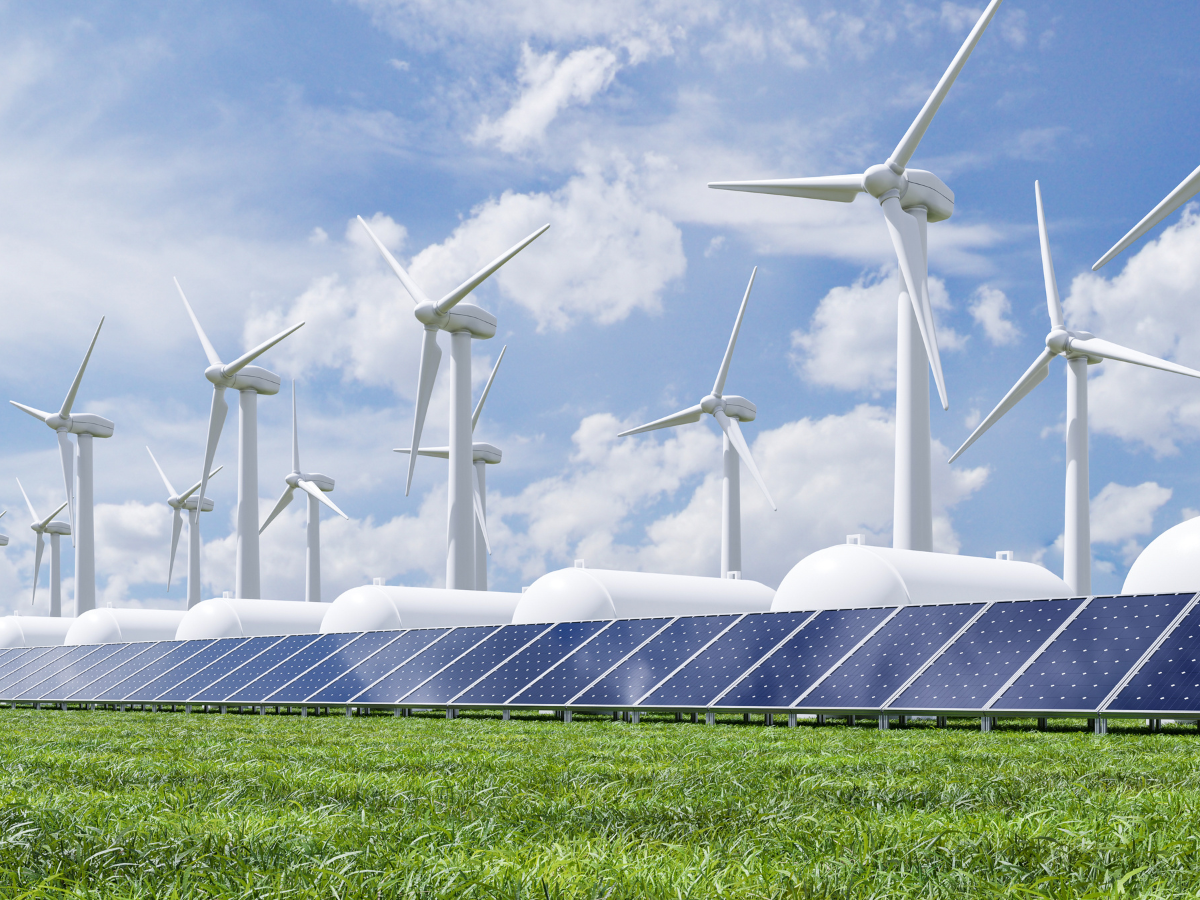
The world is heading toward a historic milestone in 2025: investment in renewable energy is expected to reach a record figure of US$ 2.2 trillion, according to a study by the International Energy Agency (IEA). This volume exceeds by 50% the resources allocated to fossil fuels – such as oil, natural gas, and coal – which are expected to total US$ 1.1 trillion in the same period.
The progress reflects not only the climate urgency but also the economic competitiveness of clean technologies and the impact of public policies focused on energy security and electrification.
Renewable Energy Dominates The Global Scenario
The highlight in the energy landscape is solar photovoltaic energy, which is expected to receive US$ 450 billion in investments alone, from large solar farms to residential installations.
-
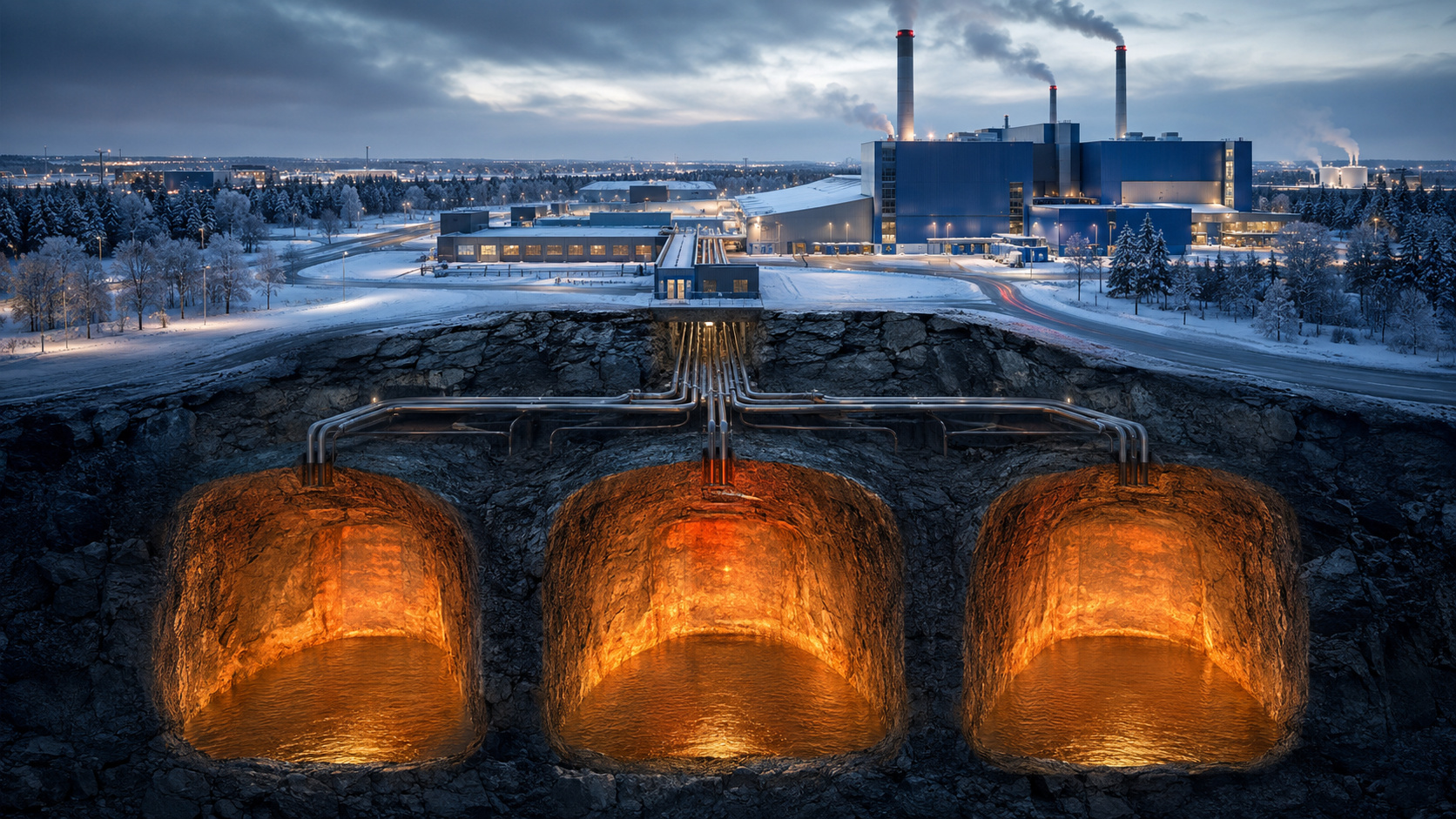
California Project Aims to Store Heat Underground in Former Oil Reservoir to Generate 100 kW of Electricity for Over 12 Hours

-
French Port Harnesses Industrial Waste Heat to Power Up to 30,000 Homes
-
Belgian Port to Install Shore Power for Cruise Ships by 2027, Cutting Dock Emissions by Up to 5% and Meeting EU Regulations
-
Canadian Project Converts Hot Water from Mature Oil Fields into Electricity, Repurposing Existing Wells and Infrastructure




This amount makes the technology the most financed within the sector in 2025. Additionally, investment in storage batteries continues to rise, projected to exceed US$ 65 billion for the year.
The nuclear energy segment has also gained strength: with a 50% increase over the last five years, investments are expected to reach US$ 75 billion, according to the IEA. This diversification of sources highlights the global effort for a more sustainable and resilient energy matrix.
Despite the optimism with low-emission energy generation, the infrastructure for electrical grids is lagging behind.
With annual investments around US$ 400 billion, the sector still cannot keep pace with the rapid growth of clean generation and electrification.
The IEA warns that it is crucial to achieve investment parity between grids and generation by the beginning of the next decade, but progress is being hampered by bureaucracy in licensing and bottlenecks in the supply chain for cables and transformers.
Oil Falling And Coal Still High In Asia
For the first time since the pandemic, the oil sector is expected to see a contraction in investments. A 6% decline is projected for 2025, primarily driven by reduced investments in shale oil in the United States.
Meanwhile, coal maintains a significant presence, driven mainly by growing demand in China and India. China, for example, began construction in 2024 of almost 100 gigawatts of new coal-fired power plants, the largest amount of such permits since 2015.
The IEA study indicates that total investments in renewable energy are expected to reach US$ 3.3 trillion in 2025 – the largest ever recorded in a single year.
Although the energy transition is underway, the report makes it clear that challenges remain, especially in adapting electrical grids and reducing dependence on fossil sources in emerging countries.
To meet climate goals and ensure global energy security, it will be essential to maintain focus on renewable energy and increase investments in infrastructure, innovation, and policies promoting decarbonization.