





 Portuguese
  English
  Spanish
  3 min of reading


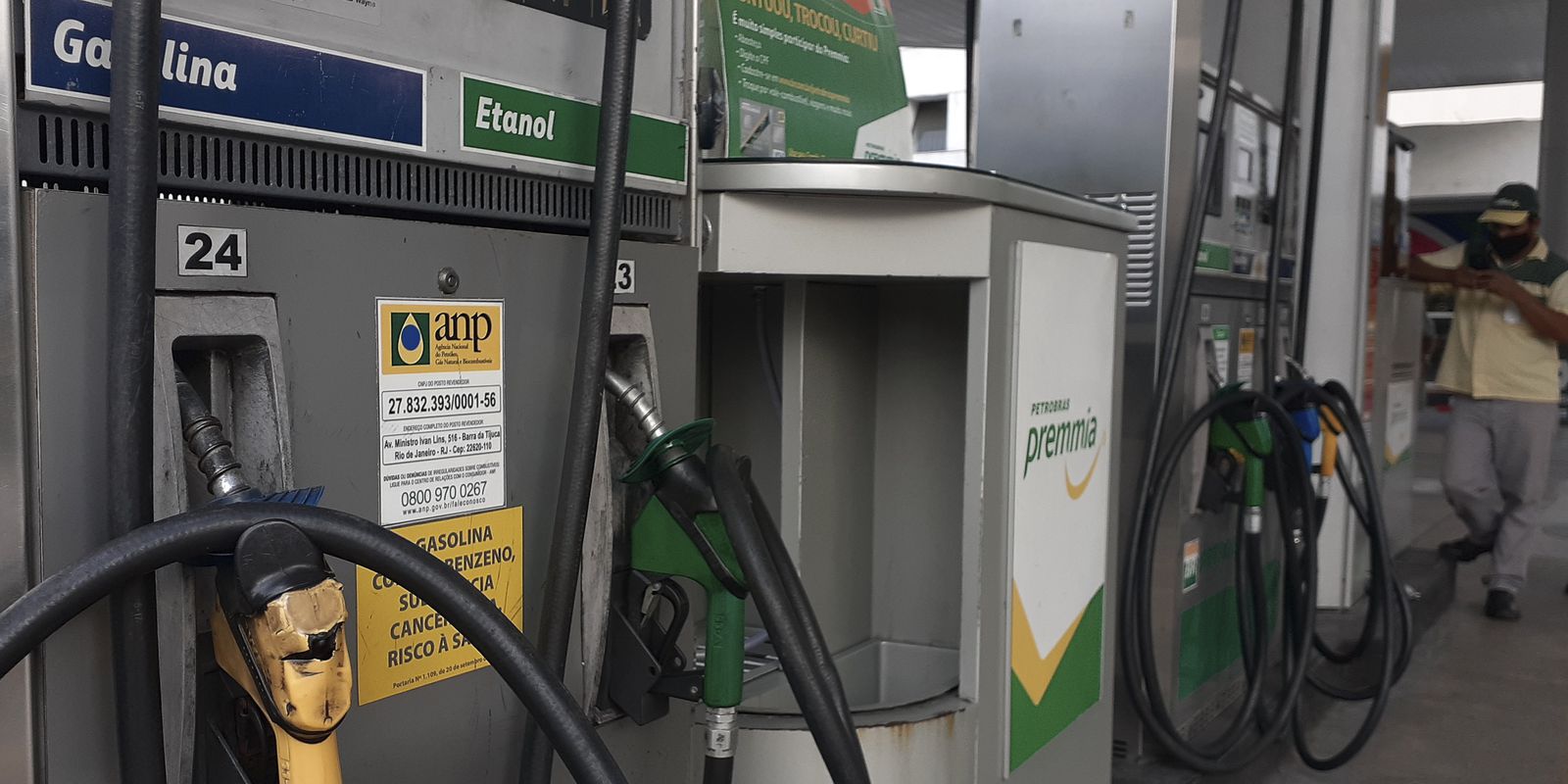
The Changes in Fuel Prices in Recent Months Have Worried Millions of Brazilians Who Depend on These Products for Work or Travel, and the Exemption on Fuels Is the Chance to Prevent Price Increases.
The Oil Prices surged in the first months of last year, prompting the federal government to take drastic measures. One of the main decisions was to limit the rate of the Tax on Circulation of Goods and Services (ICMS), which also includes other essential services such as electricity, gas, telecommunications, and public transport. Therefore, the maximum that a state can charge for ICMS is 18% with an exemption on fuels.
Before the measures, some states had rates as high as 30%. Another very important measure is the elimination of federal taxes such as PIS/Pasep and Cofins. The campaign resulted in a 25.8% drop in gasoline prices at the end of last year, according to the Brazilian Institute of Geography and Statistics (IBGE).
Postponing the Fuel Exemption
Shortly after taking office as President of the Republic, Luiz Inácio Lula da Silva signed a provisional measure that extends the exemption on fuels until the end of February. If not extended, the exemption will expire in December. Meanwhile, the team of Finance Minister Fernando Haddad is assessing the impact of the tax decision on public accounts. By renouncing taxes, the government loses significant revenue.
-
Government announces R$ 2.2 billion to expand cancer treatments in the SUS with high-cost medications, robotic surgery, and breast reconstruction.

-
“Tax-free” gasoline: Luciano Hang announces a discount of R$ 2 per liter at Havan gas stations in Santa Catarina to show the weight of taxes on Brazilian drivers’ wallets and also brings Tax-Free Day to the 191 megastores in the country.

-
A city with 2,600 inhabitants will receive a JBS farm that will produce 91 eggs per minute. The project is expected to generate around 100 direct jobs during the construction phase and maintain 80 permanent positions once it becomes operational.

-
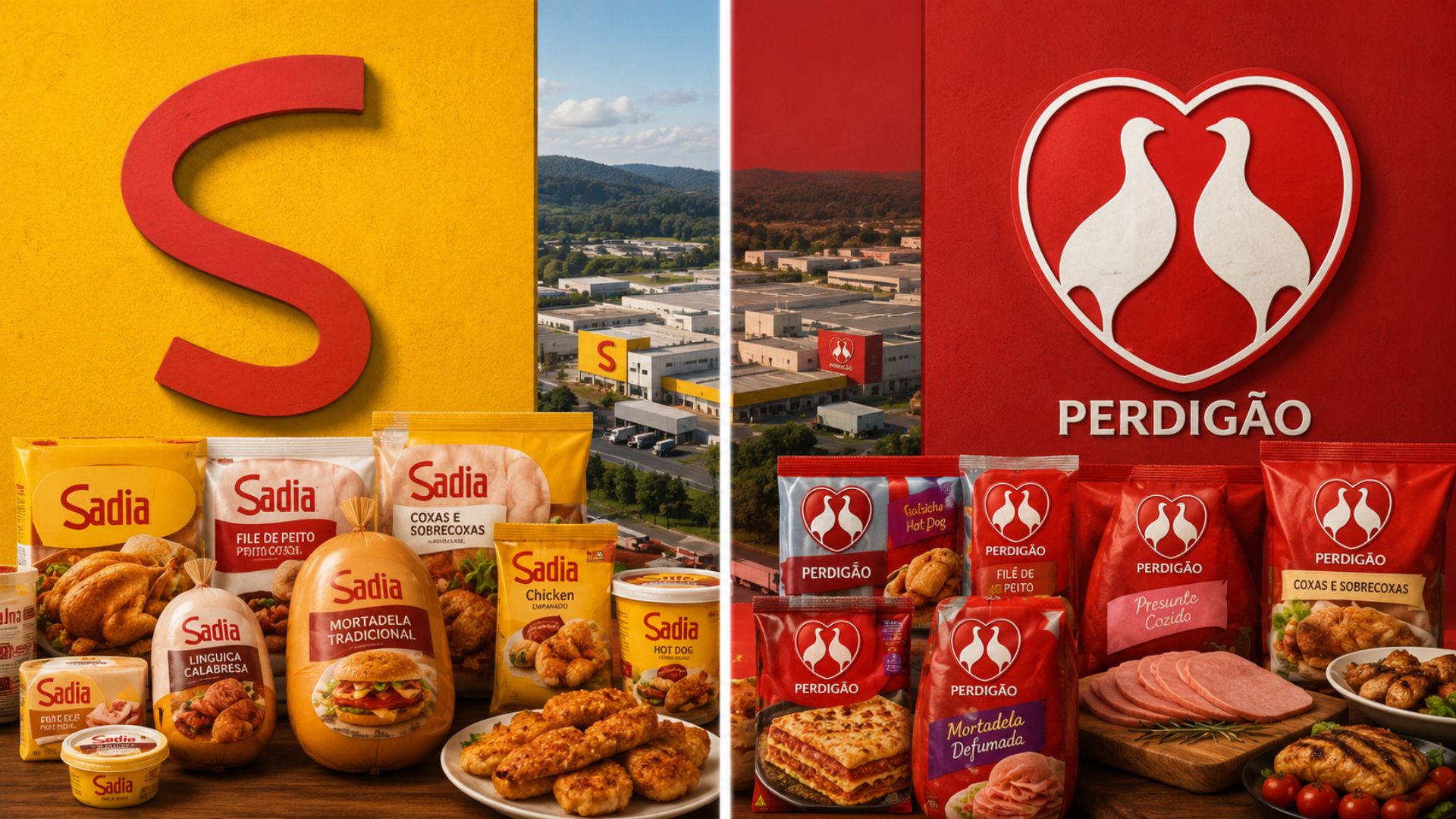
Sadia x Perdigão: how the rivalry between giants from SC turned into a R$ 164 billion empire and sells in 117 countries



Effective Date The extension approved by Lula already has a deadline to end. The exemption of the rates of PIS/Pasep and Cofins for diesel, biodiesel, and GLP continues until December 31, according to a document signed on January 2. With regard to gasoline, the exemption will last until February 28. The zero Cide also has the same validity period as the maintenance of the product.
Reintegration of the Fuel Exemption
Earlier this week, Haddad announced a fiscal plan to restore public accounts and reduce a projected deficit of 231.5 billion reais this year. One of the proposed measures is the reinstatement of the federal tax on gasoline. Although the minister has revealed the intentions of the ministry, it is up to President Lula to decide on future tax exemptions. The decision still needs to be evaluated by the PT team, which must choose between maintaining the fiscal deficit or deteriorating Brazilian income.
Fuel Exemption Already Comes from the Bolsonaro Administration
President Jair Bolsonaro approved, without veto, the Complementary Law No. 192/22, which addresses the Tax on Circulation of Goods and Services (ICMS) on fuels, including imported ones, based on a fixed rate per volume of sales. New laws are published in a supplement to the Official Gazette.
In addition to the changes in the main state tax, ICMS, the text also amends federal PIS/Pasep and Cofins, mandating the fuel exemption starting in 2022. The rule comes from the replacement of the Complementary Bill (PLP) 20/11 by Deputy Emanuel Pinheiro Neto (PTB-MT), approved by the Senate last week. The new rule covers gasoline, ethanol, diesel, biodiesel, and liquefied petroleum gas, including derivatives of natural gas. Aviation kerosene is excluded.






Be the first to react!