Portuguese
  Spanish




Boost Solar Energy Installation in Universities and Understand How Itaipu’s Public Notice Strengthens Innovation and Sustainability in Higher Education.
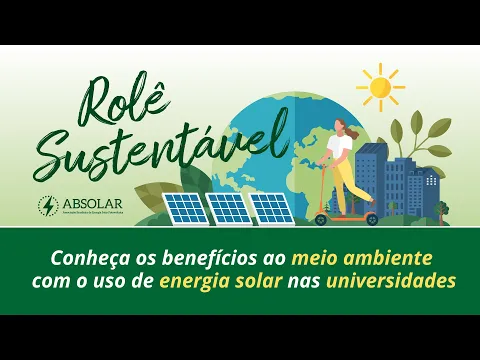
The discussion about solar energy installation in universities has evolved significantly in recent years, especially as higher education institutions seek to reduce costs, increase their energy autonomy, and reinforce their social role.
Moreover, solar energy has become an accessible, efficient alternative aligned with contemporary climate challenges.
Thus, universities—traditionally recognized as spaces of knowledge and experimentation—have begun to incorporate energy solutions that represent not only a technological advance but also an essential environmental commitment for the future.
-
Brazil’s Vitória Airport to Launch Solar Plant Covering Area of 10 Soccer Fields, Boosting Clean Energy and Cutting Costs

-
Switzerland Converts Train Tracks into Solar Power Plants with Removable Panels to Generate Energy Without Using Additional Land
-
Surge in Solar-Powered Homes in Brazil Leads to Grid Strain and Connection Restrictions in Three States

-
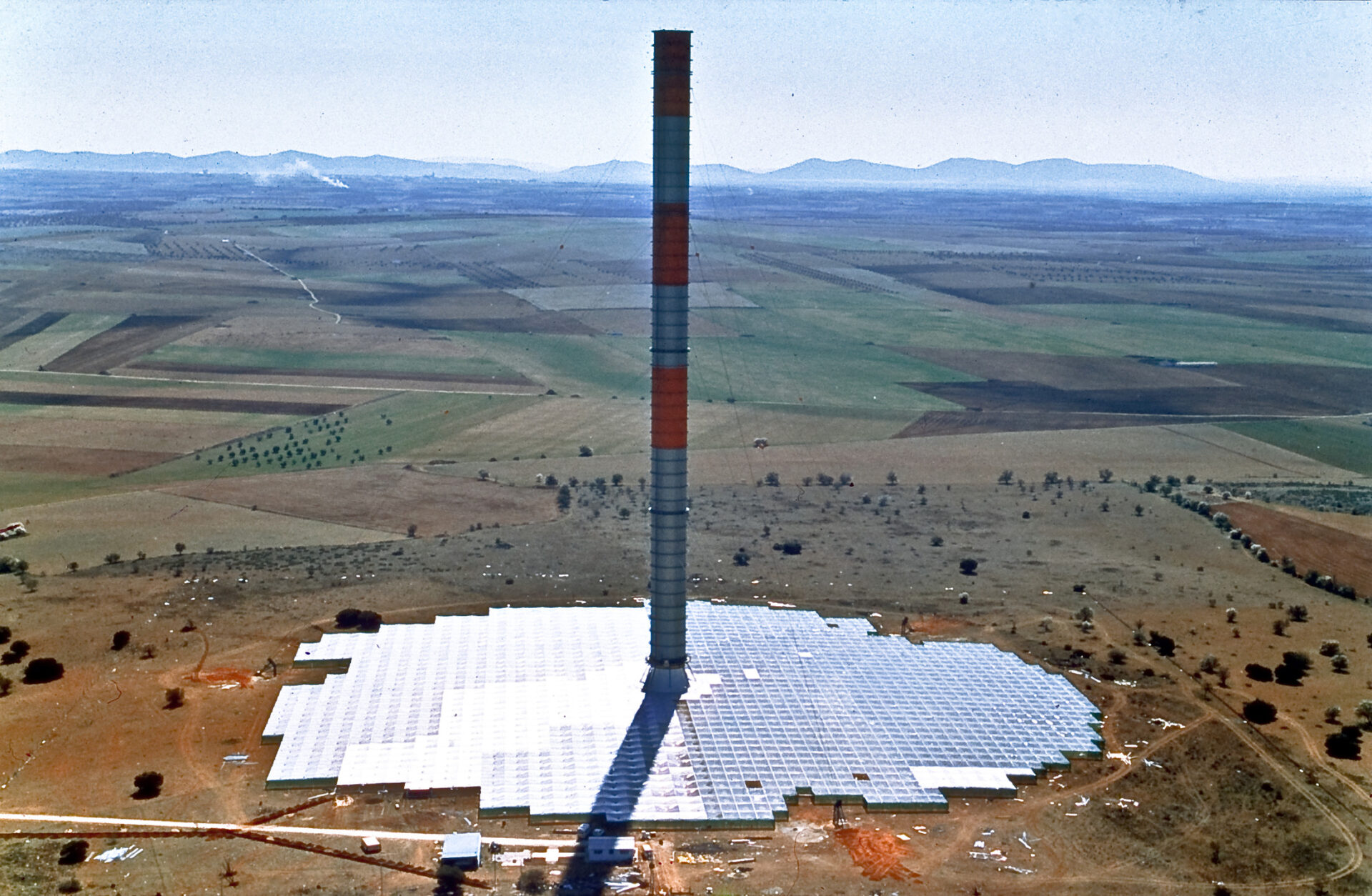
Solar Chimney in Spain Harnessed Sun to Generate Electricity for 7 Years Without Burning Fuel



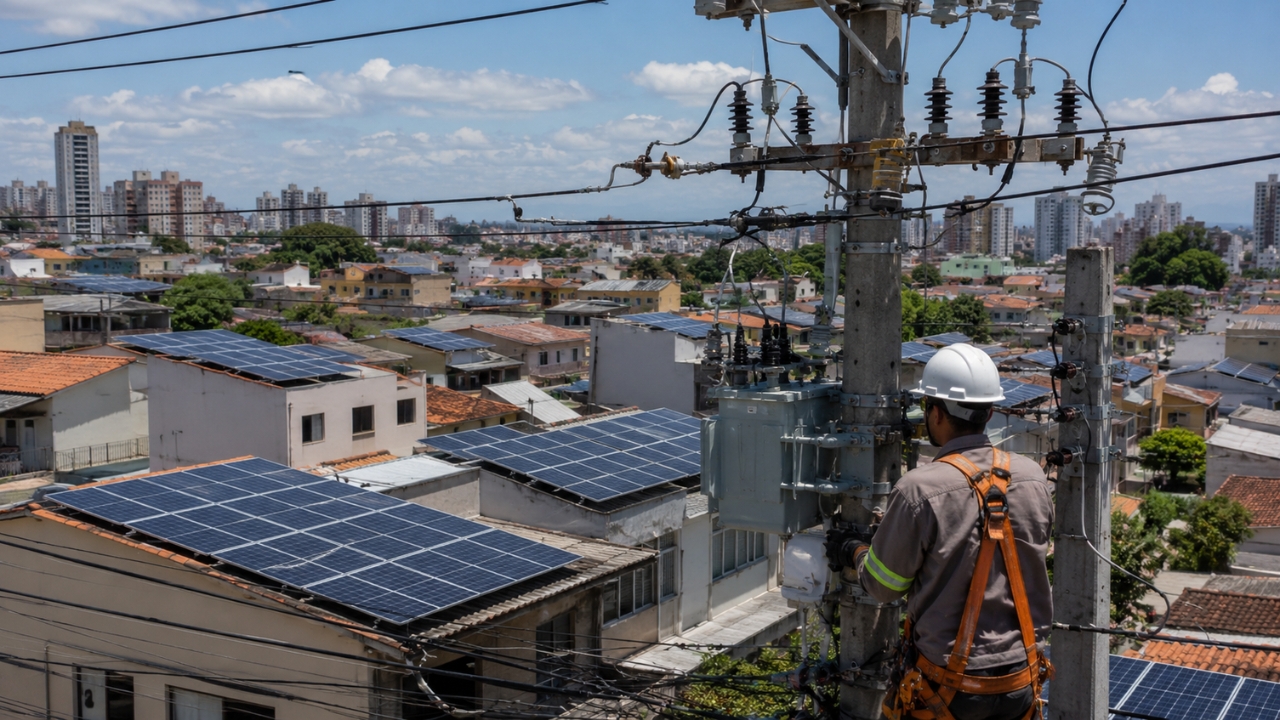
Although Brazil has always experienced an abundance of solar radiation, the country took time to transform this potential into consistent public policies.
However, in the last fifteen years, the national energy landscape has changed significantly, driven by scientific advancements and the popularization of photovoltaic systems.
The expansion of research, the strengthening of distributed microgeneration, and the decrease in costs have allowed higher education to take a central role in the energy transition.
Therefore, when Itaipu launches a public notice to support solar systems in universities, it consolidates a growing movement.
Simultaneously, it accelerates the modernization of the academic sector.
The Role of Itaipu and the Importance of the Public Notice
As a result of transformations in the energy sector, Itaipu Binacional has expanded its activities beyond hydropower and has begun investing in sustainability initiatives.
In this way, the new public notice reaffirms the need to diversify the Brazilian energy matrix and shows that the transition to renewable sources requires active participation from educational institutions.
Through this public notice, Itaipu encourages the installation of solar energy in universities, reduces financial barriers, and strengthens scientific research.
As a result, institutions can reorganize their costs, expand academic opportunities, and develop projects that align with the environmental demands of the 21st century.
At the same time, the initiative adheres to international standards of innovation in the energy sector, where partnerships between governments, companies, and universities accelerate structural transformations.
Additionally, the public notice presents another relevant aspect: it stimulates the training of professionals prepared for the technological and environmental challenges of the future.
After all, when universities receive support to install solar panels, they not only lower expenses but also create environments that favor applied research and technological development.
How Universities Transform Energy into Knowledge
When universities adopt photovoltaic systems, they turn their campuses into true living laboratories.
Consequently, engineering, economics, architecture, and environmental science students can practically observe the functioning of the panels.
They also analyze energy performance, economic impact, and the relationship between production and consumption.
This practical experience makes learning deeper.
Rather than relying solely on theoretical concepts, students analyze real data, identify opportunities for improvement, and develop solutions to concrete problems.
Professors and researchers find new avenues to study energy efficiency, batteries, and smart microgrids.
This integration of theory and practice strengthens scientific production and creates highly qualified professionals for markets that demand environmental awareness and innovation capacity.
Thus, the installation of solar energy in universities improves institutional performance and generates a positive impact on society as a whole.
Solar Energy as a Financial and Environmental Strategy
As universities invest in solar energy, they reorganize their cost structures because photovoltaic systems continuously, predictably, and sustainably reduce expenses.
Moreover, financial incentives and technological advancements make solar energy increasingly accessible.
Thus, when Itaipu offers financing through the public notice, it facilitates access for institutions of all sizes to the realm of renewable energy.
In the environmental field, the benefits multiply.
Universities, by nature, consume large amounts of energy.
This consumption increases their carbon footprint.
However, the adoption of solar energy reduces emissions and strengthens internal sustainability policies, reinforcing the institutional commitment to the environment.
As a consequence, the institution inspires the entire academic community to adopt conscious practices.
This effect transcends the boundaries of the campus and contributes to a more balanced future.
Education, Sustainability, and the Role of Future Generations
As the energy transition intensifies globally, students are increasingly demanding more responsible and coherent practices from educational institutions.
Thus, solar energy emerges as a concrete response to these expectations.
It demonstrates that universities do not limit themselves to rhetoric and adopt direct and transformative actions.
At the same time, the installation of solar energy in universities aligns with international trends that combine research, innovation, and sustainable development.
Various institutions around the world have turned their campuses into centers of energy innovation.
In these places, renewable energy and research unite to drive collective development.
Therefore, Brazil, which has enormous solar potential, can stand out globally by following this path.
Itaipu’s initiative strengthens this trajectory and positions higher education as a protagonist in the energy transition.
As a result, the country trains qualified professionals, boosts the green economy, and stimulates technologies that benefit society as a whole.
An Opportunity to Rewrite the Future
The public notice launched by Itaipu goes beyond financial support.
In practice, it represents an invitation for universities to rethink their relationship with energy, innovation, and sustainability.
Through the incentive for solar energy installation in universities, the company promotes structural advances that benefit the country in the short, medium, and long term.
Furthermore, the adoption of solar energy strengthens the role of universities as research centers and engines of social transformation.
When institutions invest in renewable sources, they reduce costs, expand learning opportunities, and stimulate discoveries.
Thus, they contribute directly to environmental preservation.
The public notice creates conditions for higher education to move towards a more modern, efficient, and sustainable scenario.
By bringing together financing, science, technology, and environmental responsibility, the initiative paves a solid path for the future of higher education in Brazil.
Thus, solar energy consolidates itself not only as an energy solution but as a symbol of innovation, social commitment, and long-term vision.