Portuguese
  Spanish



These and Other Equipment Are in Operation at UFRJ’s Laboratory and Can Triple Testing Capacity
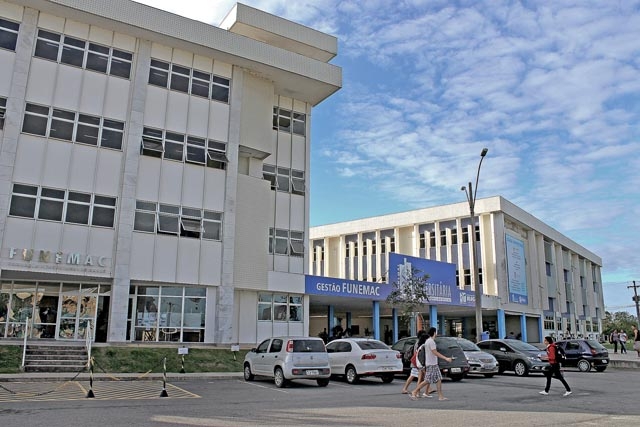
As the transmission of the coronavirus returns to the alert zone, UFRJ’s Institute of Biodiversity and Sustainability (NUPEM) begins to use robots for molecular diagnosis and serological analysis of Covid-19 tests that arrive from public health units in Macaé.
Donated by Constellation, the robot can perform the work faster and more accurately than a human, tripling the diagnostic capacity. Currently, the laboratory conducts 100 PCRs per day, but with the equipment, it could reach 300. Automating some steps of the work will allow researchers to focus on discovering new circulating strains of the virus in Macaé.
- Fintech Zoop Opens 50 Job Vacancies All Over Brazil in Home Office Mode
- Wind Energy – Enel Green Power Will Invest R$ 5.6 Billion in Projects in Brazil
- Mining Company Samarco in Mariana – MG Announces Resumption of Its Activities
The number of confirmed Covid-19 cases in the municipalities of Northern and Northwest Fluminense is at 27,451, and the number of deaths has reached 897. Macaé, Campos, and Itaperuna are the cities with the most cases. The data is from the “Covid-19 North and Northwest Fluminense Panel,” a digital platform that aggregates daily some of the main data released by the Health Departments of the 22 municipalities that comprise the two regions.
-
Brazil to Phase Out Gasoline Subsidy, Fuel Prices Set to Rise Amid National Debate

-
Brazil Aims to Boost Critical Mineral Production to 12.2% of Global Output, Targeting Battery and Tech Industries
-
Brazil’s New National Mining Plan Aims to Transform Fertilizer Market and Reduce Foreign Dependency from 87.3% to 34.9%, Boosting Agriculture and Food Production
-
Brazilian Government Plans to Auction Over 500 Road Bridges on São Paulo Stock Exchange in 2026, Promising New Wave of Concessions




The laboratory of the Institute of Biodiversity and Sustainability at UFRJ (Nupem) has already conducted 12,000 tests since the end of April this year.
Molecular Tests
Molecular-based Covid-19 tests detect the presence of the SARS-CoV-2 virus (the virus that causes Covid-19) and, when conducted on a large scale, allow for assumptions about the nature and spread of the virus, which is important information for confirming cases and providing isolation guidance.
Molecular-based tests are performed using samples taken from the nose or the back of the throat. The tests analyze specific viral genetic material that shows the presence of the virus in the body.
The preparation and analysis of the sample generally take place in specialized laboratories using large-scale molecular systems.