Portuguese
  Spanish


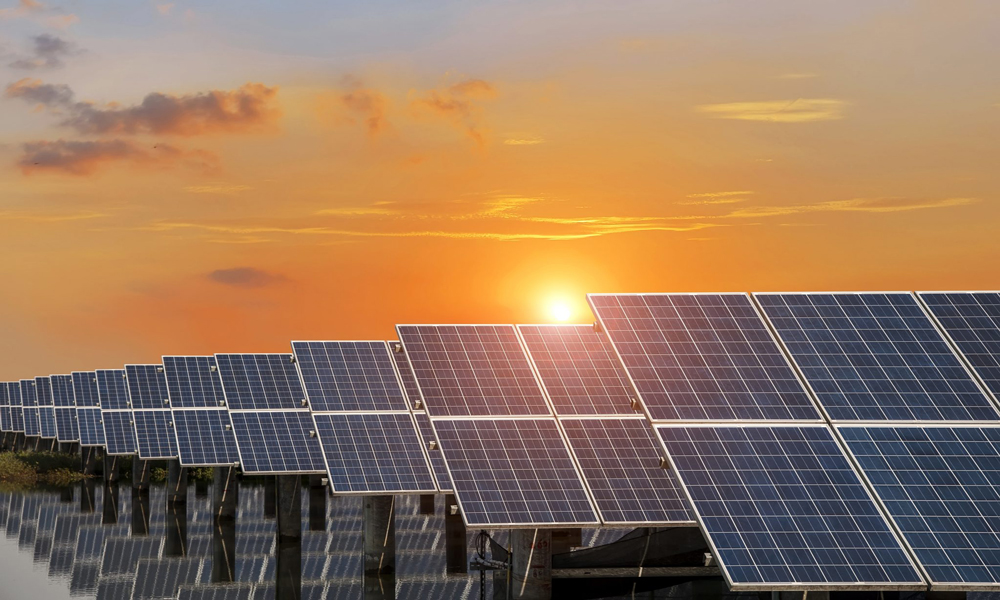

One Of The Fastest Growing Renewable Energy Sources In Brazil, Solar Energy Surpasses 7 GW Of Installed Capacity, According To Absolar
The Brazilian Association of Solar Energy – Absolar, showed that the installed capacity of photovoltaic solar energy surpasses 7 gigawatts, a figure mainly driven by energy generation distributed in residences, businesses, rural areas, and industries. Of the total renewable source in Brazil, 76% is represented by the commerce and services sectors.
Check Out Other News Of The Day:
- Audit Highlights Companies, Including The Industrial Sector, Committed To Sustainability
- Wind Turbine Blade Manufacturer Hires For Job Openings In Ceará, Including Operators, Technicians, Metalworkers, And More
- Oceaneering Hires For Macaé, In Rio De Janeiro, Technician
The sector still has 13.2% coming from rural consumers, followed by industries with 8.9%, public authorities with 1.2%, and lastly public lighting, with 0.02%. In terms of installed systems, residential users occupy the first place in distributed energy generation, accounting for 72.8% of the total.
The solar energy sector has been growing every year in Brazil, with projects in auctions, the sector has an investment of R$ 35 billion since 2012.
-
Robots Clean Solar Panels in Desert Power Plants Without Water, Preventing Energy Losses

-
Brazil’s Offshore Wind Energy Potential Worth $1 Trillion Stalled by Long-Delayed Agreement

-
World’s Largest Engie Solar Plant in Brazil Highlights Billion-Dollar Energy Waste Issue: Company Considers Batteries and Bitcoin Mining to Avoid Wasting Production

-
Air Products Cancels $2.9 Billion Clean Hydrogen Megaproject in Louisiana, Shuts Down Arizona Unit, Highlighting High Costs of U.S. Energy Transition


Absolar stated that “In 2019, the source was the most competitive among renewable sources in both New Energy Auctions, A-4 and A-6, with average prices below US$ 21.00/MWh.”
The segment is the seventh largest source of energy in the country, present in the Northeast, Southeast, and Midwest regions, in the states of Bahia, Ceará, Paraíba, Pernambuco, Piauí, Rio Grande do Norte, Minas Gerais, São Paulo, and Tocantins.
Rodrigo Sauaia, president of Absolar, stated in a statement that “Photovoltaic solar energy reduces the electricity cost for the population, increases the competitiveness of companies, and eases the public budget, benefiting small, medium, and large consumers in the country.”
Solar Energy:
Solar energy is the electromagnetic energy whose source is the sun. It can be transformed into thermal or electrical energy and applied in various uses. The two main ways of harnessing solar energy are electricity generation and solar water heating.
The heliothermal collectors are devices that capture solar radiation and convert it into heat, transferring this heat to a fluid (air, water, or oil, in general). The collectors have a reflective surface, which directs direct radiation to a focus, where a receiver is located. Once it has absorbed the heat, the fluid flows through the receiver.