Portuguese
  Spanish



During COP30, In Belém, The Discussion About Responsible Mining Gains Highlight By Uniting Sustainability, Energy Transition, And Mineral Sovereignty In Panels Led By The National Mining Agency
Responsible mining is at the center of attention at the 30th United Nations Climate Change Conference (COP30), held from November 10 to 21 in Belém (PA), according to a news article published.
The event brings together global leaders, scientists, and industry representatives to discuss pathways that reconcile economic development and environmental preservation.
Brazil, home to one of the largest mineral reserves on the planet, seeks to consolidate its strategic role in the energy transition, especially in providing essential minerals for clean technologies such as batteries, turbines, and electric vehicles.
-
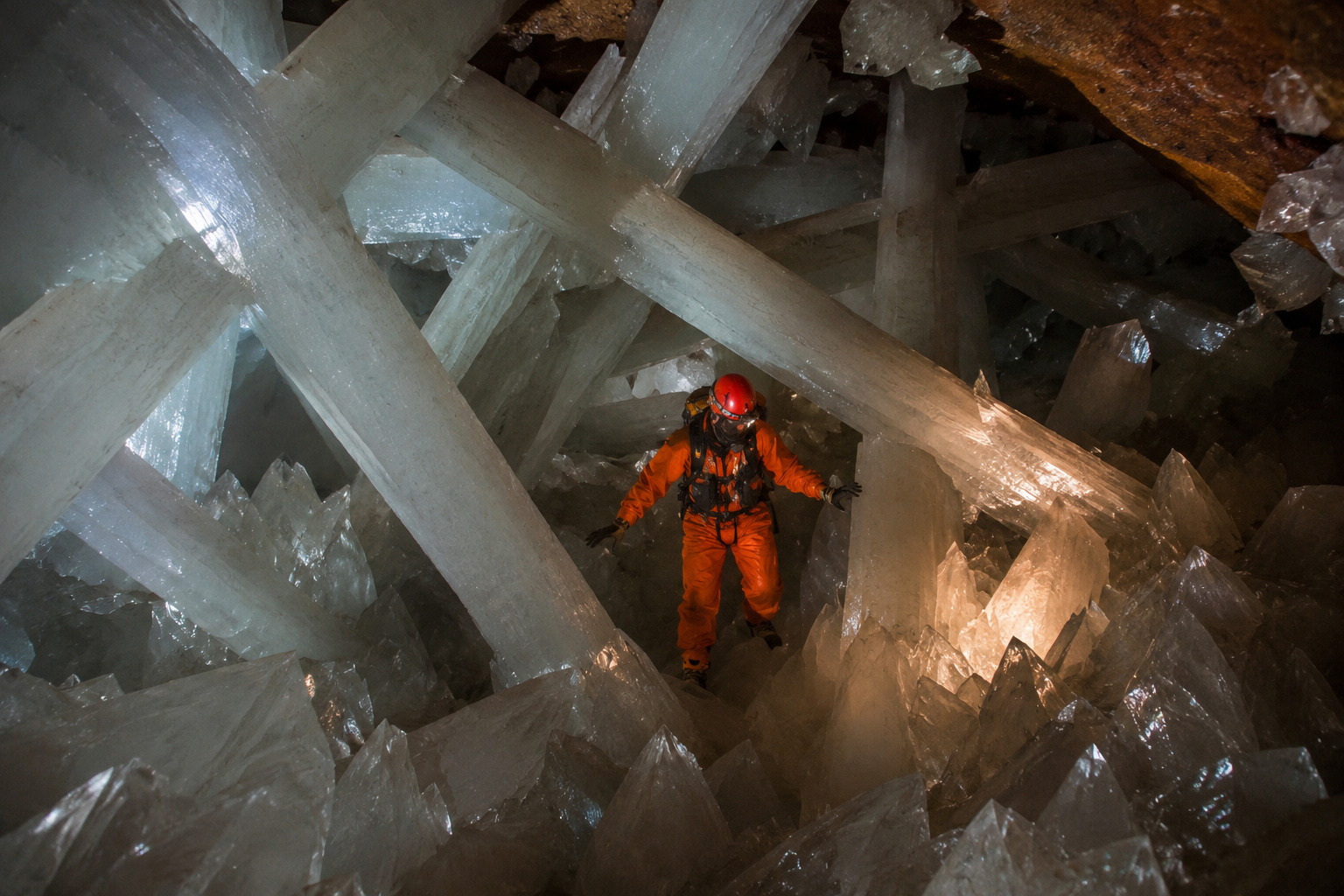
Mexico’s Giant Crystal Cave: A Deadly 58°C Underground Palace with 11-Meter Crystals Formed Over Nearly a Million Years

-
China Dominates Over 90% of Rare Earth Refining, Prompting Global Concerns: Canada and Japan Launch Billion-Dollar Plan to Reduce Dependency and Safeguard Batteries, Semiconductors, and Defense

-
Ancient Mines in Spain Reveal Tools and Metals That May Explain Bronze Age Trade with Scandinavia
-
XCMG Launches 240-Ton Mining Truck in Brazil, Promising Increased Productivity with Lower Fuel Consumption


The National Mining Agency (ANM) actively participates in the conference, represented by José Fernando de Mendonça Gomes Júnior, director of the Northern Regional Directorate, responsible for the states of Pará, Amazonas, Roraima, and Amapá.
His presence marks an effort to integrate the Brazilian mineral sector into international discussions on environmental governance, critical minerals, and sustainable innovation.
Environmental Sustainability And The Role Of Critical Minerals
On November 10, the program began with a Welcome Cocktail hosted by the Brazilian Mining Institute (Ibram) and Simineral, at the Mining House.
On November 11, the ANM participated in the talk show “Mineral Dialogues”, bringing together representatives from the private sector and the government to discuss practices of responsible mining and policies for mitigating environmental impacts.
The following highlight occurs on November 12, with the panel “Critical Minerals And Energy Transition: The Importance Of Brazil And International Cooperation”, organized by the American Chamber of Commerce for Brazil, in the Blue Zone of COP30.
The debate highlighted that approximately 60% of Brazil’s lithium, niobium, and graphite reserves have direct potential to fuel a green economy and reduce global emissions.
Environmental Governance And Just Energy Transition
On November 13, José Fernando will represent the ANM in the panel at the Chief of Staff of the Presidency of the Republic, addressing “Rio Doce: Justice, Governance, And Financing Of Sustainable Public Policies.”
On the same day, he participated in the Industrial Excellence Forum, at the Federation of Industries of the State of Pará (FIEPA).
The discussions reinforced that responsible mining is essential to ensure a just energy transition, reconciling economic growth and social inclusion.
In the following days, the director will join the Connected Health Vessel, an initiative by SESI on November 14, and return to the program on November 18, at the Innovation And Sustainability Summit, also hosted by FIEPA.
The actions reinforce the alignment between the mineral sector and public policies aimed at health, innovation, and the environment.
Green Innovation And Brazilian Mineral Sovereignty
The closing activities will take place on November 19, when the ANM participates in the stand of the Federal Council of Chemistry (CFQ), debating the strategic role of responsible mining in sustainable development.
The presentation highlights that Brazil can lead global production of green inputs while maintaining its mineral sovereignty and contributing to global climate goals.
With a broad and technical presence, the ANM reinforces its role as an essential regulator for the country to transform its mineral wealth into green innovation, environmental sustainability, and balanced economic growth, fundamental pillars discussed at COP30.