Portuguese
  Spanish


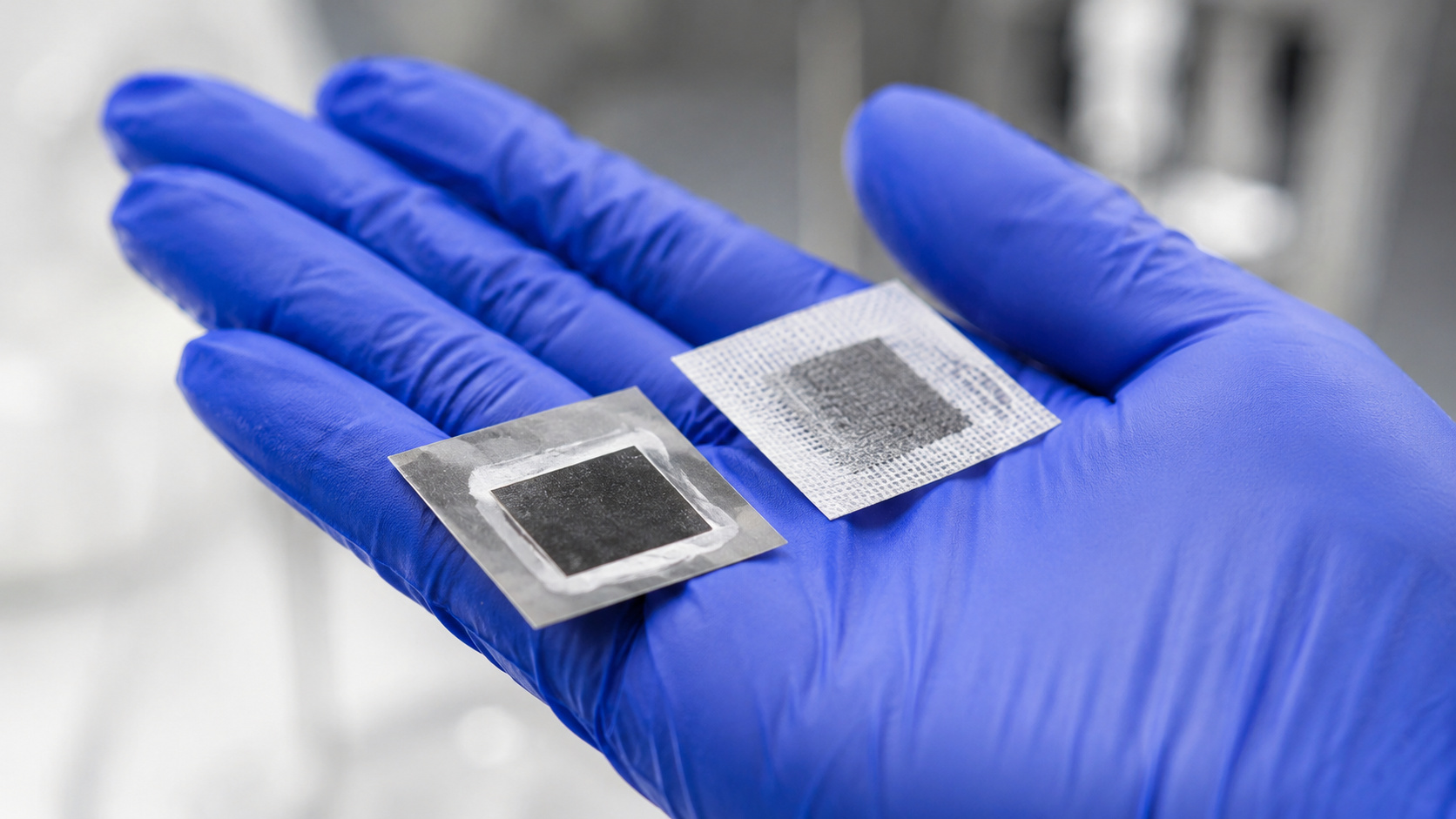

Research from the University of Rochester presents a solar system capable of producing drinking water from seawater, without generating residual brine and with the utilization of salts removed in the process
A new desalination technology developed by researchers at the University of Rochester, in the United States, promises to transform seawater into drinking water without producing residual brine, one of the main environmental impacts of traditional methods.
Additionally, the system also allows for the recovery of salts and minerals removed during the process. Thus, the innovation seeks to combine the production of fresh water with the reuse of materials extracted from seawater.
The study was published in 2026 in the scientific journal Light: Science & Applications. According to the University of Rochester, the research was conducted at the Institute of Optics and presented to the public on May 27, 2026.
-
Scientists Develop Needle-Free Insulin That Penetrates Skin, Reduces Glucose in Animals Within an Hour, Paving the Way for Diabetes Patches and Creams for Humans

-
After 40 Years of Research, Powdered Coconut Water to Be Produced in Brazilian Biorefinery, Aiming to Revolutionize Health for Children, Elderly, and Hospital Patients
-
Queen Guitarist Brian May Collaborates with ESA Scientists to Study Asteroids Bennu and Ryugu Using 3D Simulations
-
Largest Known Single-Piece Meteorite, Weighing 60 Tons, Puzzles Scientists with Its Intact Fall and Lack of Visible Crater



How the technology transforms seawater into potable water
Currently, the production of drinking water from seawater usually relies on methods such as reverse osmosis and thermal distillation.
However, although these techniques are used in various regions of the world, they require high energy consumption. Additionally, they generate large volumes of concentrated brine, a residue that can cause environmental impacts when discarded into the ocean.
Therefore, the differential of the new technology lies in the way the salt is conducted within the equipment. Instead of accumulating on the evaporation surface, the salt crystals are moved to specific areas of the system.
As a result, the equipment avoids clogging of the surface responsible for evaporation. Consequently, the production of drinking water can continue more stably.
System avoids polluting residue and collects salts
According to the researchers, the process was developed to maintain water evaporation while allowing the collection of the removed salts.
Thus, instead of discarding a concentrated liquid brine, the system separates and collects the materials extracted from seawater.
This point is important because brine is considered one of the biggest environmental challenges of conventional desalination. After all, this residue can increase local salinity and affect the balance of the marine environment.

Technology seeks to meet the demand for fresh water
The research emerges amid the increasing global demand for drinking water. In this scenario, desalination appears as a relevant alternative for regions that rely on seawater as a source of supply.
At the same time, the technology also aims at recovering raw materials present in seawater. Therefore, the system combines two objectives: expanding the production of fresh water and reducing the waste of minerals removed in the process.
Main points of the research
- Transforms seawater into drinking water through desalination.
- Does not generate liquid brine residue, according to the researchers.
- Recovers salts and minerals separated during the process.
- Prevents clogging of the evaporation surface.
- Was described in 2026 in the journal Light: Science & Applications.
- Was developed by the University of Rochester, in the United States.
Technical advancement still depends on scale
Despite the potential, the technology was presented as a scientific development. Therefore, its large-scale application still depends on new tests, technical adjustments, and performance evaluation outside the research environment.
Even so, the study draws attention for proposing a desalination route without brine residue. Additionally, it reinforces the search for solutions capable of producing drinking water, reducing environmental impacts, and utilizing the salts removed from seawater.