





 Portuguese
  English
  Spanish
 3 min of reading


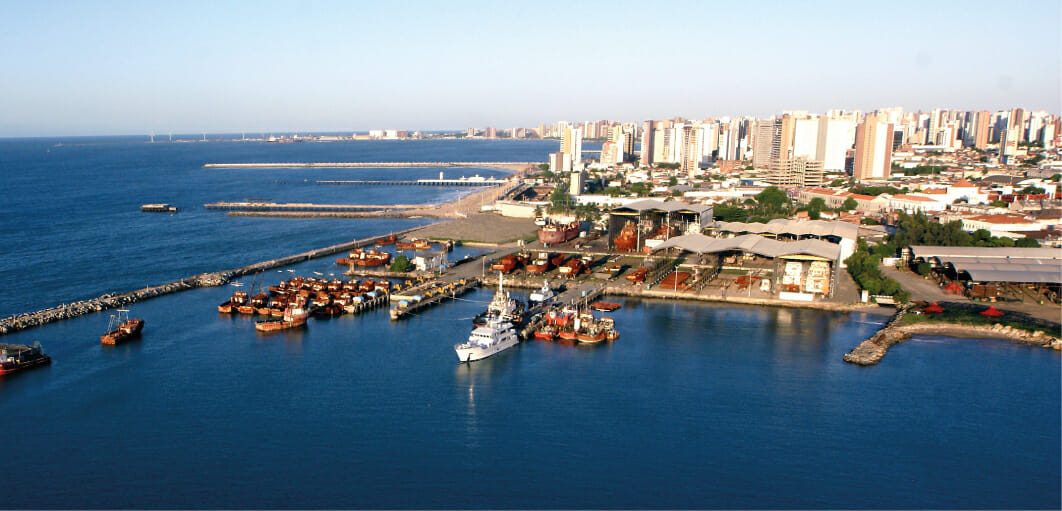
Young Shipbuilding Talents Discover the Secrets of INACE in Fortaleza
Students in Shipbuilding training at IFCE Acaraú campus had an inspiring day at the INACE shipyard in Fortaleza, getting a close look at the daily operations of a large-scale shipyard. This visit, in addition to providing a glimpse into the job market, reinforced the lessons learned in the classroom with a dose of practical experience.
Vessel of Knowledge: INACE and the Future of Shipbuilding
On June 5th, IFCE Acaraú opened the doors of INACE for its Shipbuilding students. The campus has a long-standing and productive relationship with the shipyard, which has supported the training of future professionals. According to Professor Luciano de Lima Sobrinho, the partnership has provided internships and prospects for professional continuity for students, further enriching the course.

During the visit, students were able to compare the theories learned and the images seen in class with the reality of boat production. As Professor Luciano emphasized, “given the technical importance of the second year of the course, it is essential that students have this experience to establish the connection between what is discussed in class and what really happens in the market.”
-
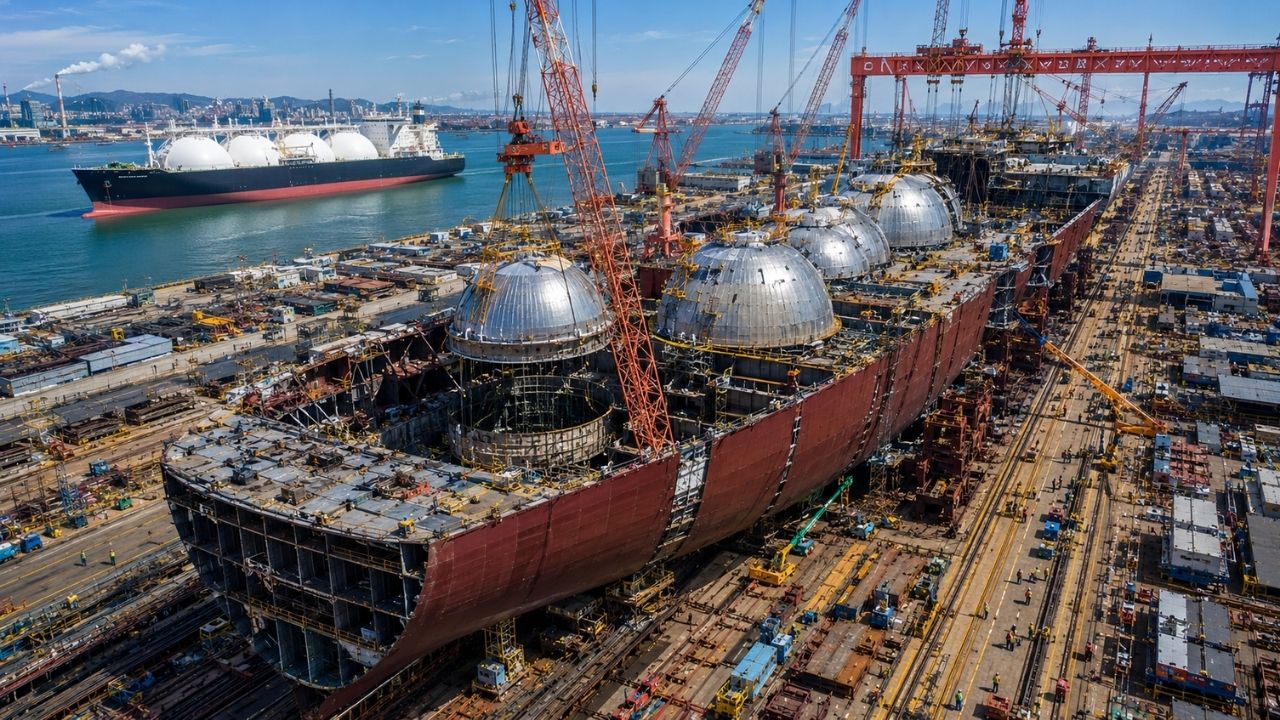
China begins construction of the world’s largest LNG ship, a 344-meter giant capable of supplying 4.7 million homes for a month, carrying 271,000 m³ of gas, and placing QatarEnergy in the largest naval order ever recorded in world history.

-
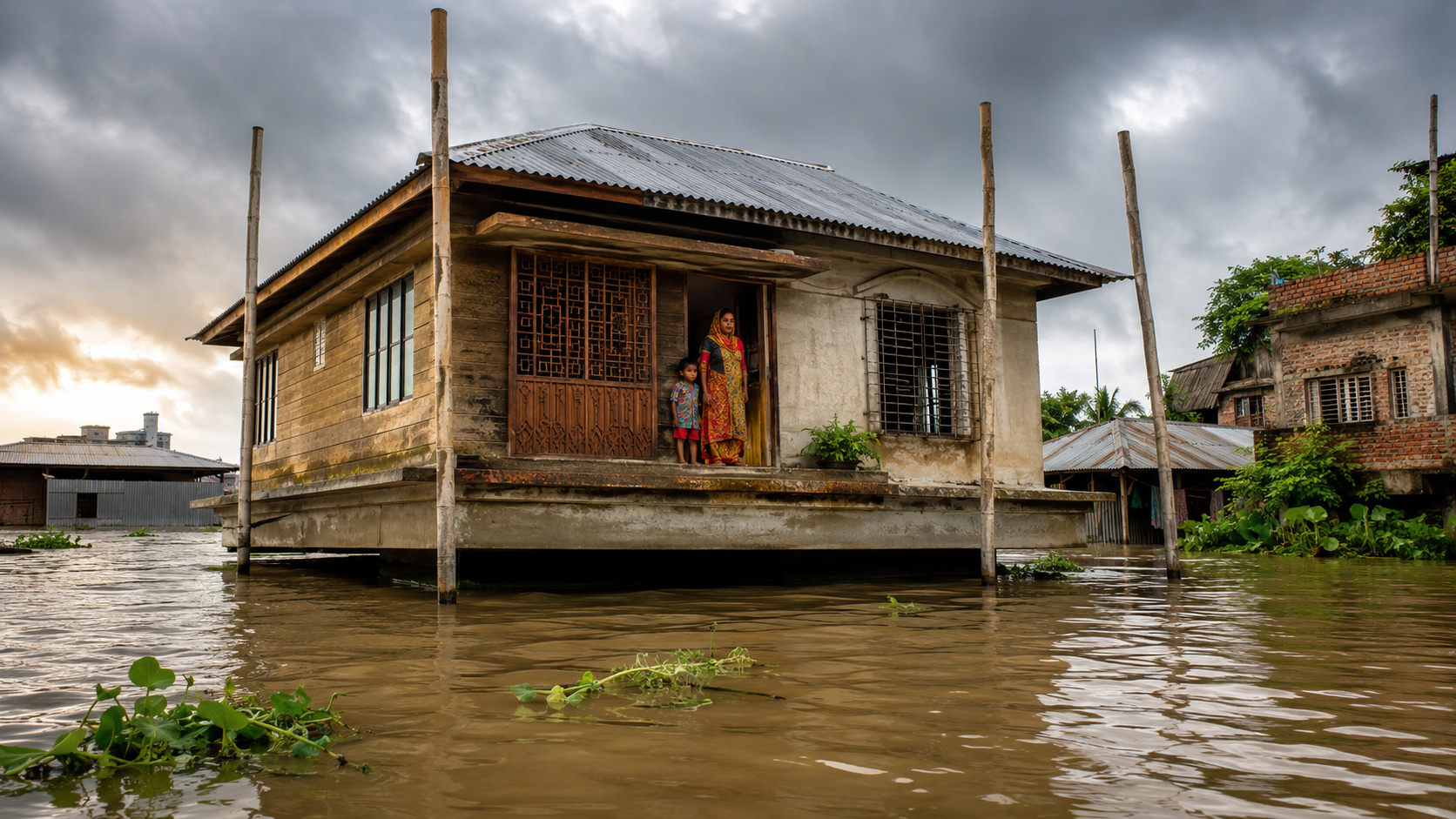
Bangladesh tested a house that seems to have hidden buoys, stays firm on the ground on dry days, and floats during floods without turning into a houseboat.

-
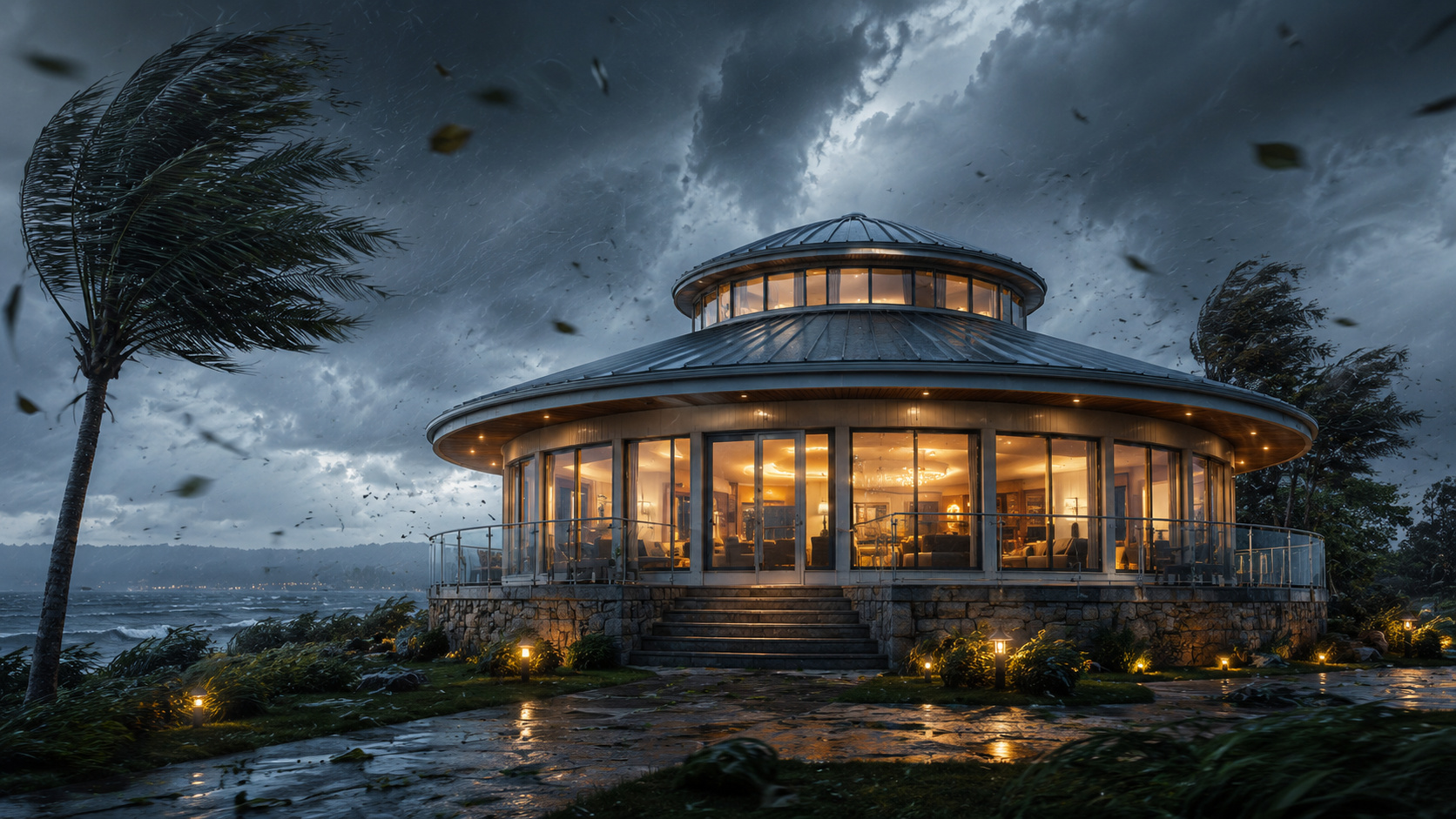
While regular houses face the hurricane head-on, a company in the United States sells round houses that deflect wind pressure, withstand 130 mph, and reach 190 mph with reinforcements.
-
The material that still causes surprise in Brazil has become walls in the USA, accelerated houses in Minnesota, and reduced heating costs by 70%.


One of the highlights of the visit was the presence of former students from the Shipbuilding course at IFCE Acaraú, now professionals working at INACE. Jackson Nascimento Rocha and Antônio Feitosa, along with naval engineer Juliana, guided groups of students through the shipyard, explaining in detail the process of building the vessels.
Sailing in Favorable Seas: The Renaissance of the Naval Sector
Professor Luciano emphasizes that the partnership with the shipyard is of utmost importance for the course. “Today, with the recovery of INACE after the losses from the pandemic, it is important for students to know that there is a market for them. If they enjoy the area and dedicate themselves, they will be able to take advantage of the renaissance of the Brazilian naval sector. In the future, they will be able to balance work in a large shipyard with university studies in Fortaleza, just as many of our former students have done,” he explains.
Meet INACE
With activities starting in 1968, INACE has become a reference in the construction of medium and large vessels. Under the leadership of its founder, Gil Bezerra, the shipyard expanded its operations beyond building fishing boats, diversifying its naval demands. Today, INACE produces everything from vessels for the Brazilian Navy to port and coastal tugboats, offshore support vessels, boarding and disembarking boats, ferries, and river pushers, in addition to being a reference in the yacht market. Steel and aluminum are the main materials used in the construction of its hulls, reinforcing INACE’s position as a leader in the naval sector of Ceará.


Be the first to react!