Portuguese
  Spanish



Clean Energy At Scale: Innovation For Sustainable Export. This Ambitious Project Aims To Generate Over 200 TWh Of Renewable Energy Per Year, Exceeding Demand And Creating A Surplus For Export In The Form Of Green Hydrogen And Ammonia
Australia’s strong bet on renewable energy is not only redefining its relationships with Southeast Asia; it also redefines the limits of what a wind and solar power project can achieve.
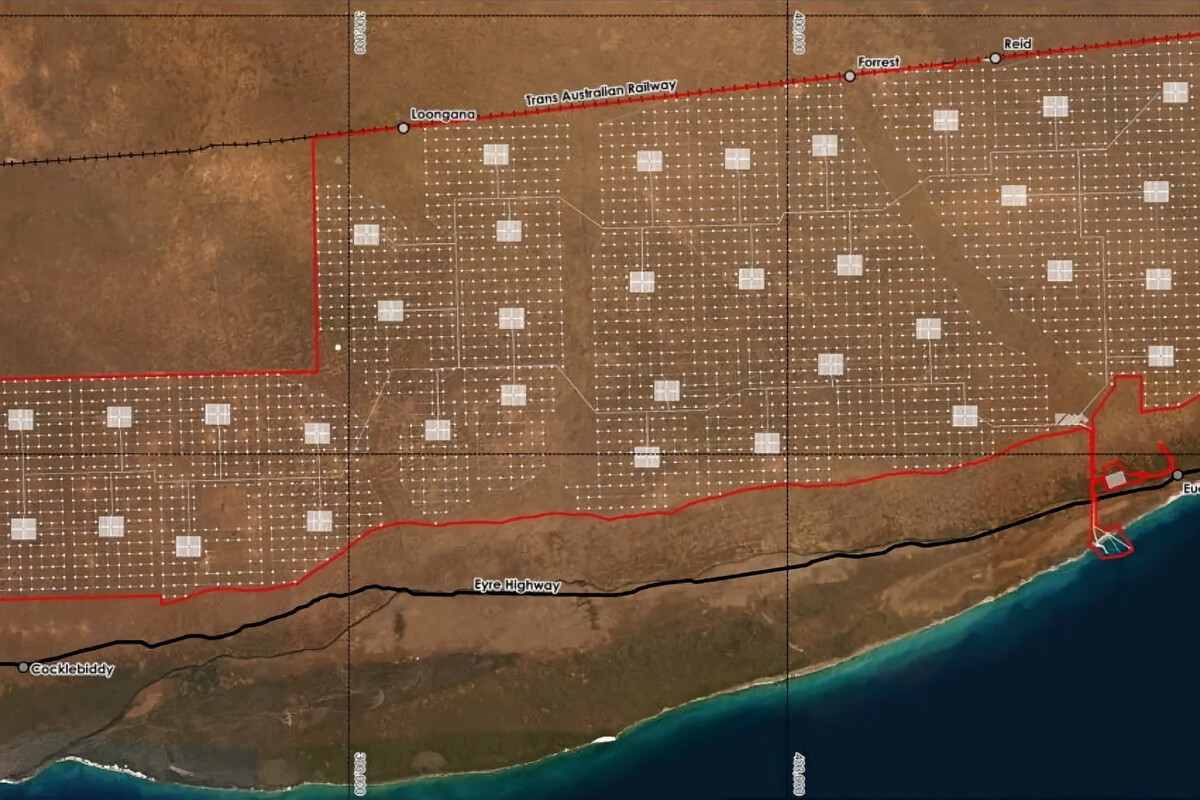
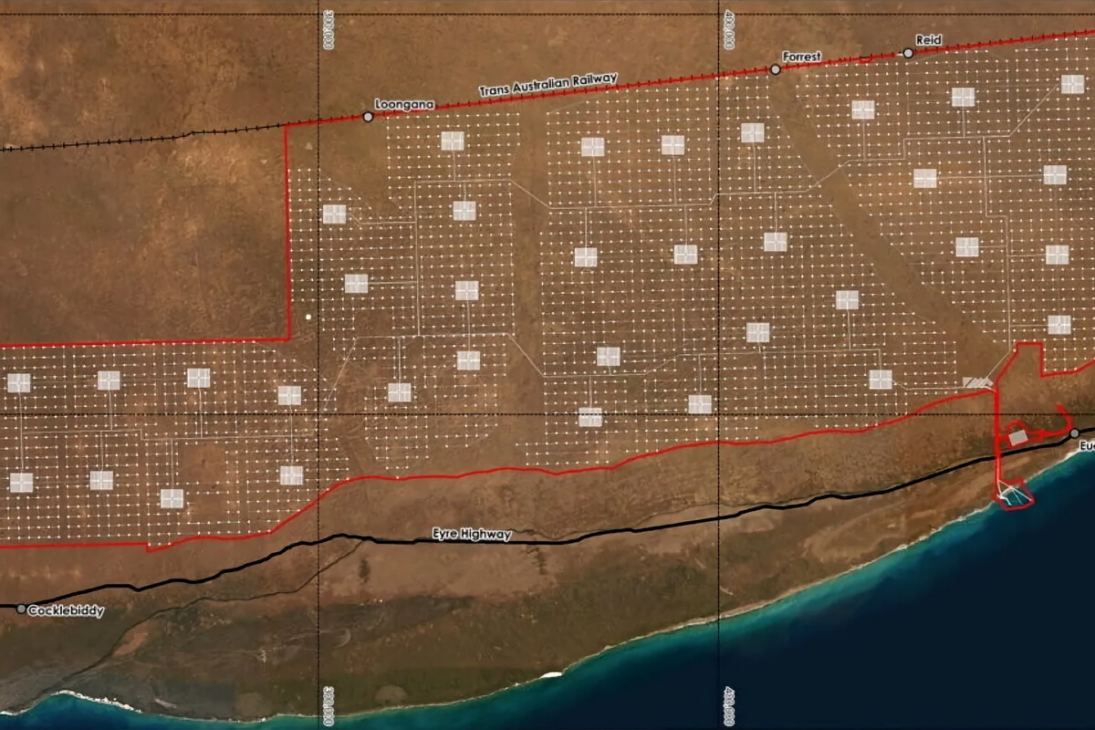
The world’s largest renewable energy hub. The ambitious Western Green Energy Hub (WGEH) is set to cover an area of 22,700 square kilometers in the desert coast of Western Australia.
It is larger than the territory of 47 distinct countries. With this scale, it renders current major renewable energy projects small, such as Karapinar in Turkey (20 km²), Urumqi in China (133 km²), or Khavda in India (600 km²).
-
Brazil Aims to Become a Global Exporter of Green Hydrogen, the Clean Fuel Set to Generate Billions

-
Brazil to Hold First Offshore Wind Energy Auction, Aiming to Become the Country’s New Hydropower
-
Brazil to Hold First Auction for Batteries to Store Solar and Wind Energy from the Northeast
-
Brazilian scientists are simultaneously advancing two research projects on clean hydrogen and driving solutions that could transform the energy matrix, enhance industrial competitiveness, and accelerate large-scale emission reduction targets.



The Largest Renewable Energy Project In The World
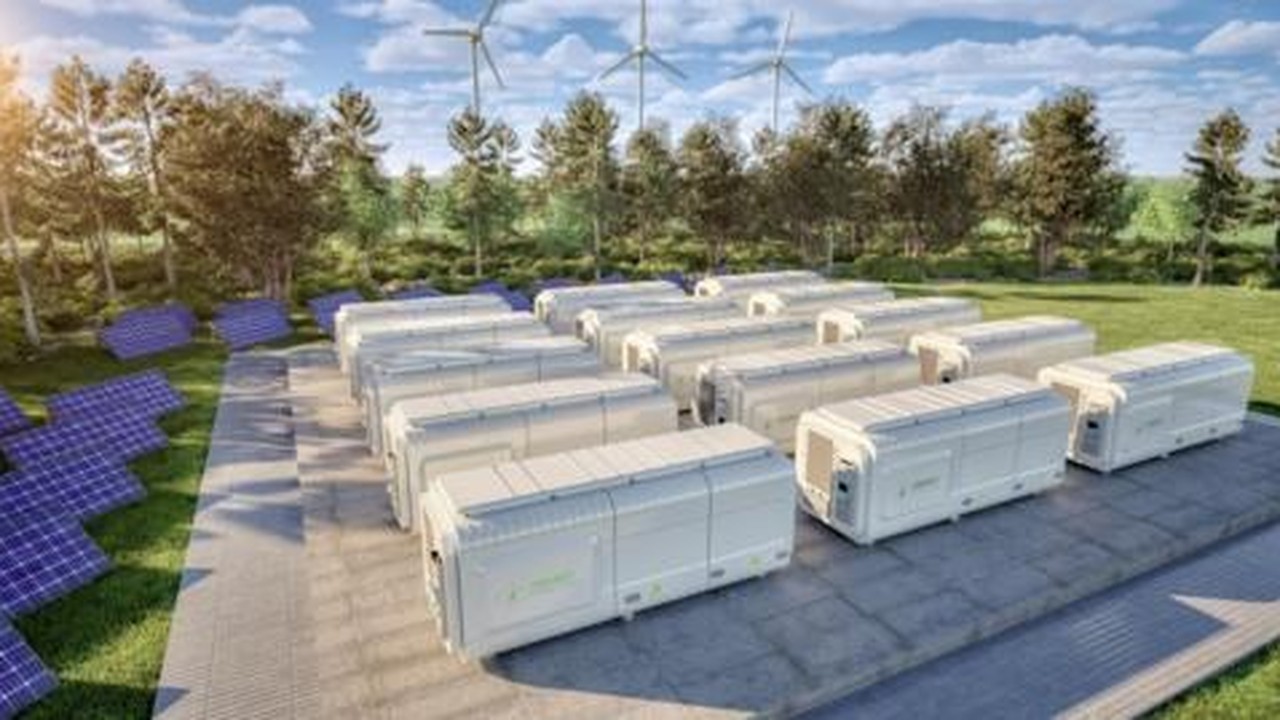
WGEH aspires to install 3,000 wind turbines ranging from 7 to 20 megawatts, along with 60 million photovoltaic panels spread across 35 solar parks. Its combined capacity would be colossal, reaching up to 70 gigawatts.
More Electricity Than Entire Countries. WGEH is designed to generate over 200 terawatt-hours of clean energy per year, an impressive figure that surpasses the annual electricity production of most countries.
In fact, it is just slightly less than what Australia itself generates in total. In 2023, Australia generated 273 TWh of energy, of which 65% came from fossil fuels, primarily coal and natural gas.
Hydrogen And Green Ammonia: The Future Of Energy Export
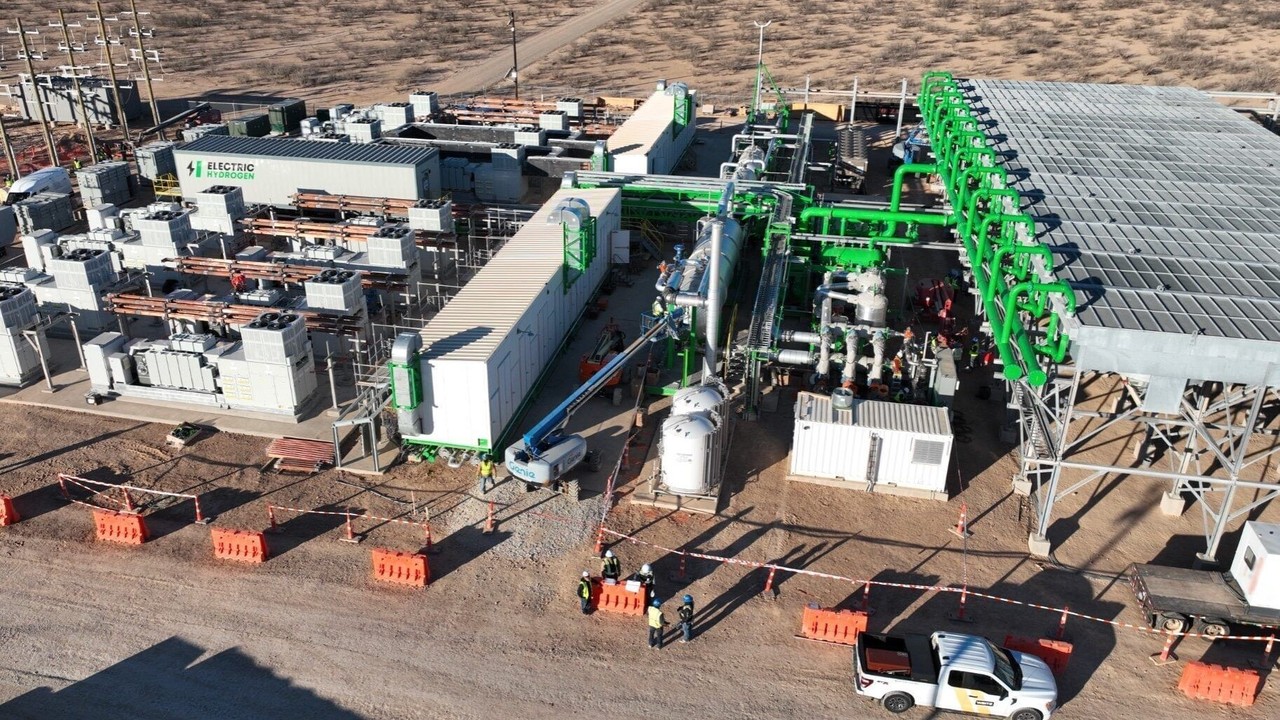
Hydrogen and green ammonia for export. If the project exceeds Australia’s energy demand, what happens to the surplus? WGEH plans to harness it to produce 3.5 million tons of green hydrogen per year.
The hydrogen would be stored for times of low renewable production, allowing for a continuous supply of clean energy, both locally and internationally, through underwater interconnections.
Green hydrogen would not be exported as such, but rather in the form of green ammonia, which is easier to store and transport than hydrogen, besides being a viable way to decarbonize industry and agriculture.
Construction in seven phases. The project is led by a consortium of companies including InterContinental Energy, CWP Global, and Mirning Green Energy Limited. Its construction is planned in seven phases over 30 years.
The goal is to install 35 cores of between 2 and 3 GW each by 2050, keeping pace with the market’s energy demand growth.
WGEH is not without challenges. The only existing 20 MW turbines are the largest in the world and are currently only available in China, due to the logistical issues of transporting their 131-meter blades.
In short, the project anticipates technological advances that have yet to materialize.