Portuguese
  Spanish




During The Atlas Operation, The Brazilian Armed Forces Test The New Antitank Missile MAX 1.2 AC, Developed With 100% National Technology And Focus On Strategic Autonomy
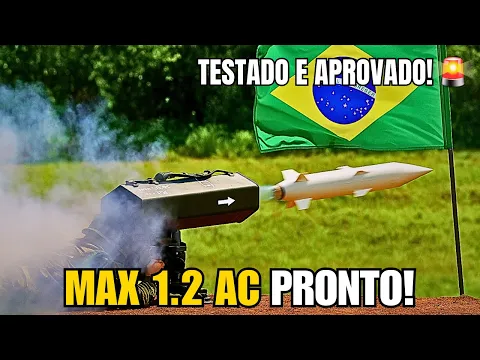
In a historic milestone for national defense, the Atlas Operation carried out the launch of the new antitank missile MAX 1.2 AC, developed with 100% national technology, during a joint exercise of the Brazilian Armed Forces at the Formosa Instruction Field (CIF) in Goiás, this Tuesday (16). The event, coordinated by the Ministry of Defense, brought together approximately 2,500 military personnel and reinforced the strategic and logistical capabilities of Brazilian forces.
National Technology In Highlights: The New Antitank Missile MAX 1.2 AC
The major protagonist of the Atlas Operation was the MAX 1.2 AC missile, a surface-to-surface weapon designed to neutralize armored vehicles with high precision. Fully developed by Brazilian engineers, the 100% national missile represents a significant advance in technological autonomy of national defense.
- Type: Surface-to-Surface
- Objective: Neutralization of armored vehicles
- Technology: 100% Brazilian
- Launch: Brazilian Navy (MB)
This launch not only demonstrates the technical capacity of the country’s military and scientific institutions, but also strengthens the national defense industry, reducing dependence on imports and promoting strategic sovereignty.
-
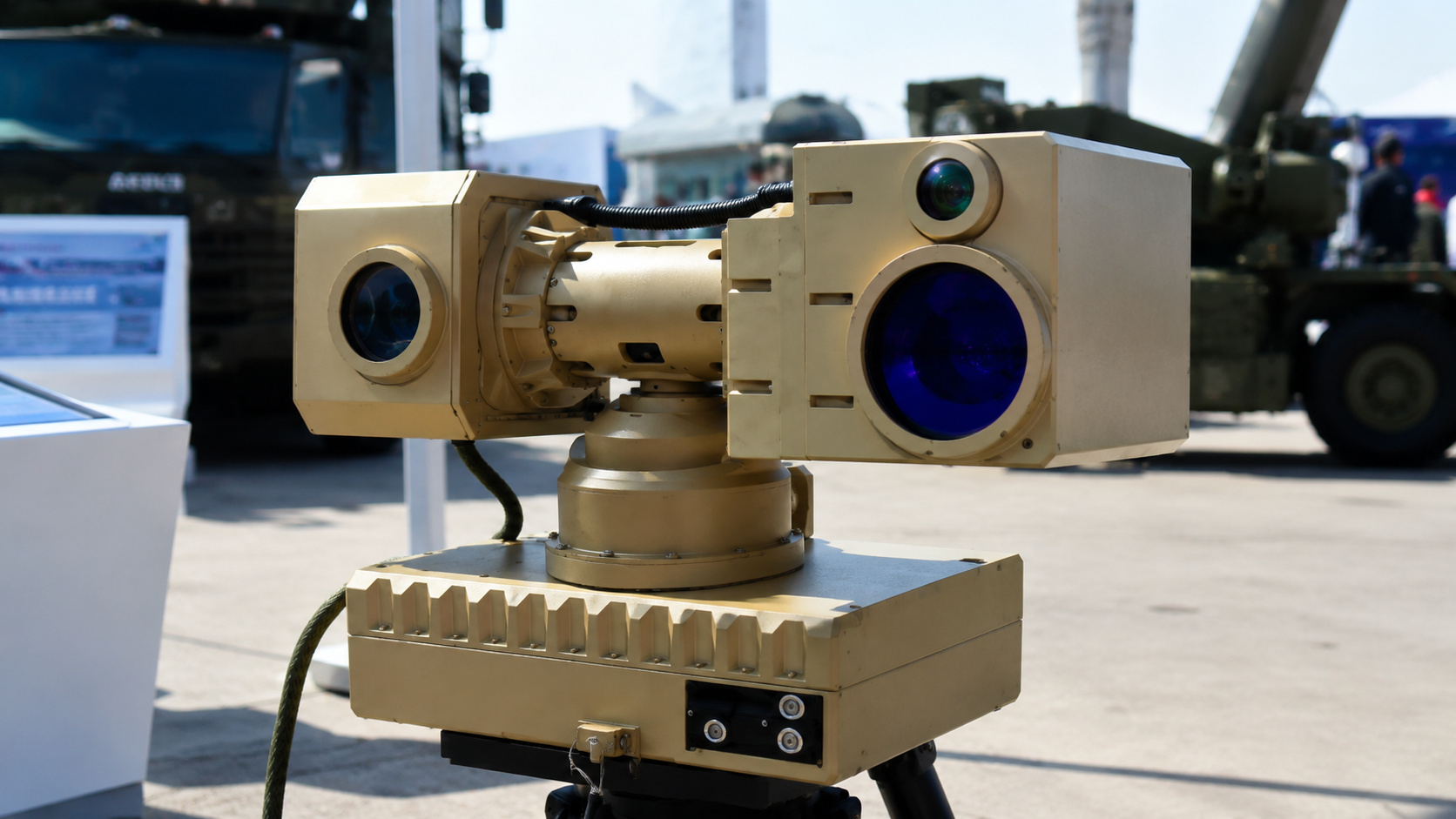
China Unveils Laser Weapon Capable of Instantly Neutralizing Military Drones, Marking a Significant Advancement in Air Defense Technology

-
U.S. Navy’s Ticonderoga-class Cruiser Becomes a 9,800-Ton Missile Fortress with Advanced Aegis System Capable of Tracking Hundreds of Targets

-
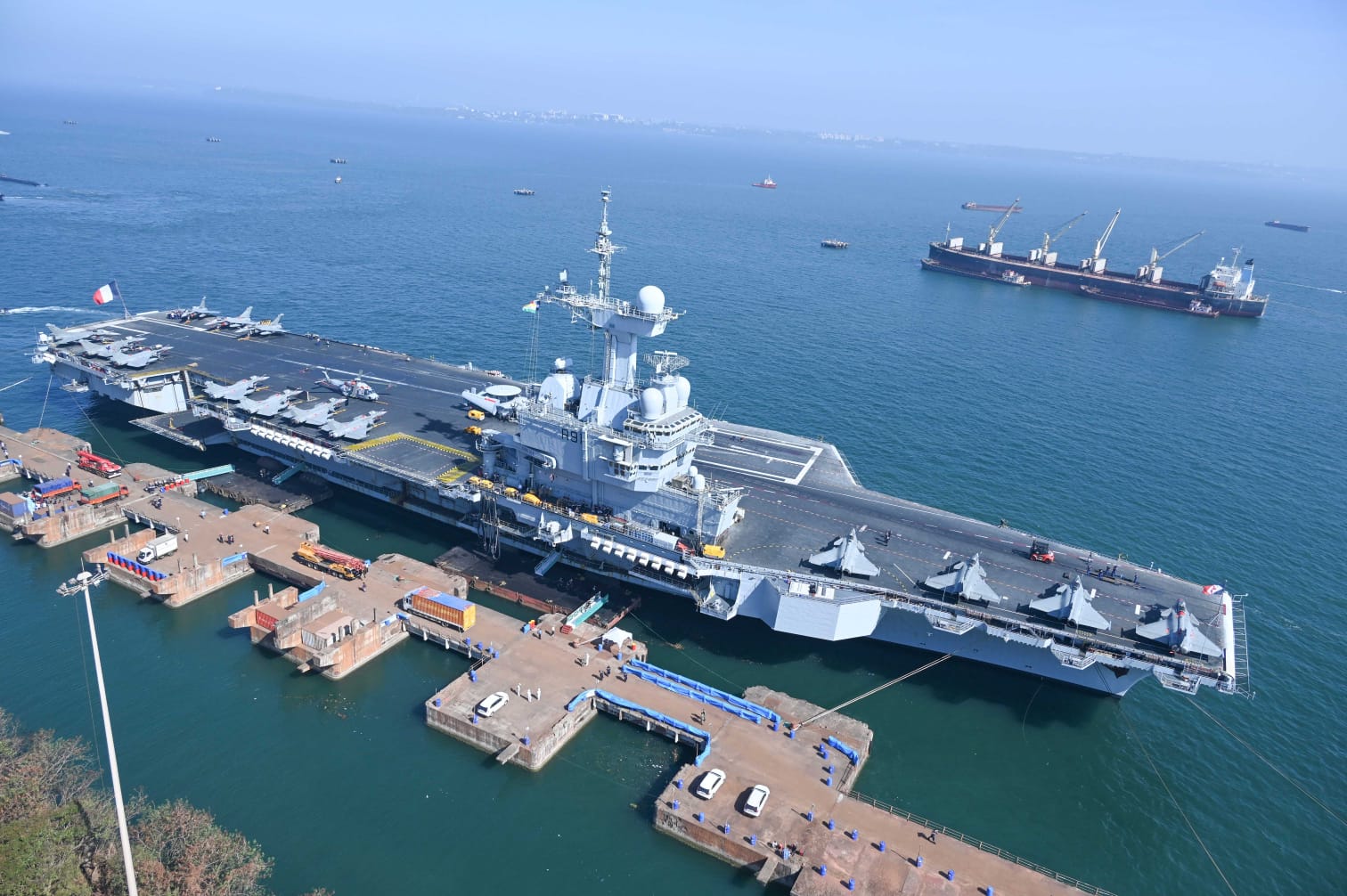
France’s Charles de Gaulle: The Sole Nuclear-Powered Aircraft Carrier Outside the US, Weighing 42,500 Tons and Equipped with Two Atomic Reactors

-
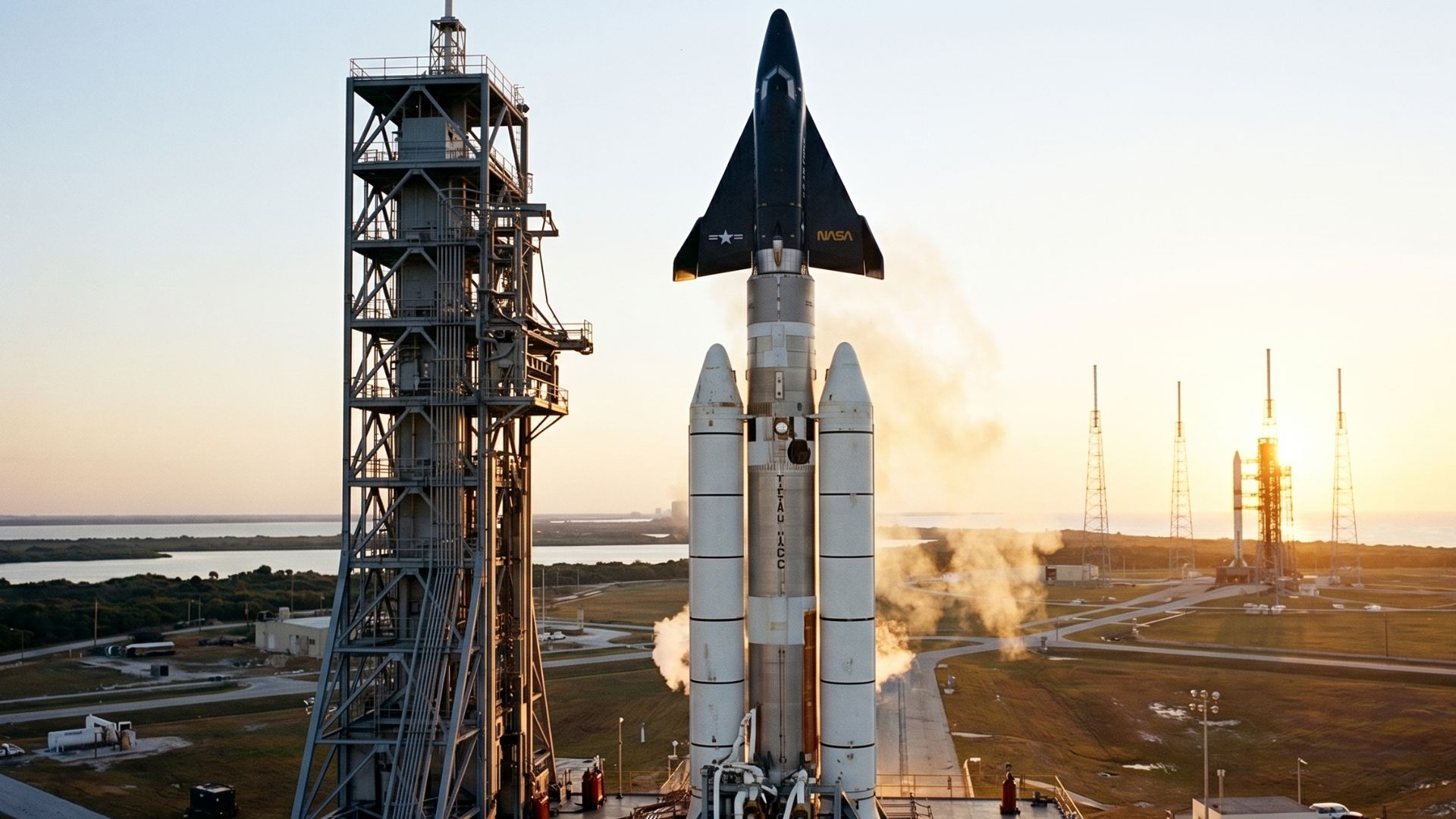
The military spaceplane that almost took the Cold War into orbit: Boeing X-20 Dyna-Soar was designed to re-enter above Mach 20, fly for up to 40 hours, land like a plane, and transform Titan rockets into a gateway to a new era of orbital warfare.

Atlas Operation And The Strengthening Of The Brazilian Armed Forces
The Atlas Operation is a large-scale military exercise that involves the Brazilian Navy (MB), the Brazilian Army (EB) and the Brazilian Air Force (FAB). Conducted in three phases — planning, strategic movement, and tactical actions —, the operation aims to test the readiness and efficiency of the national mobilization system.
Main Numbers of The Operation:
| Element | Quantity |
| Military Personnel Involved | 2,500 |
| Vehicles and Aircraft | 180 |
| Distance Covered | ~1,500 km |
| Place of Origin | Governor Island (RJ) |
| Exercise Location | Formosa (GO) |
During the current phase, called Combined Arms Atlas Operation, larger caliber weapons were employed, including howitzers with live ammunition, helicopters, fighter jets, and armored vehicles such as Amphibious Tracked Vehicles (CLAnf).
Female Participation In The Brazilian Armed Forces
Another highlight of the Atlas Operation was the performance of female Marine Soldiers of The Brazilian Navy. They actively participated in all fronts of the training, including:
- Tactical, operational, and strategic actions
- Maintenance and driving of armored vehicles
- Setup of logistical infrastructure
This presence reinforces the growing role of women in The Brazilian Armed Forces, promoting inclusion, diversity, and valuing female technical competence in the defense sector.
Military Logistics And National Mobilization In The Atlas Operation
The logistical complexity of the Atlas Operation was a true test for the national mobilization capacity. The movement of troops and equipment from different regions of the country required meticulous planning and coordination among various Military Organizations.
- Strategic Movement: Initiated in August
- Origin: Command of The Amphibious Division (ComDivAnf), RJ
- Destination: Formosa Instruction Field (CIF), GO
This logistical effort demonstrates The Brazilian Armed Forces’ capability to project military power in different regions of the national territory, ensuring a rapid response to possible threats.
New Antitank Missile And Its Strategic Importance
The development and launch of the new antitank missile MAX 1.2 AC have profound strategic implications:
- Technological Autonomy: Reduces dependence on external suppliers
- Operational Efficiency: Increases combat response capability
- Strengthening The National Industry: Stimulates innovation and job creation
- National Security: Reinforces defense against armored threats
Moreover, the missile was tested in combat simulations, validating its effectiveness and reliability for use in future operations. The fact that it is a 100% national missile represents a qualitative leap in Brazil’s defense capability.

International Context And Geopolitical Relevance
In a global scenario marked by geopolitical tensions and technological advancements in defense, Brazil positions itself as a relevant actor by investing in autonomous and innovative solutions.
The Atlas Operation and the launch of the 100% national missile show that the country is attentive to contemporary security demands and prepared to protect its strategic interests.
The ability to develop sophisticated weapons with proprietary technology places Brazil in a differentiated level among emerging nations, contributing to its international projection and the consolidation of its sovereignty.
The Future Of National Defense And The Legacy Of The Atlas Operation
The launch of the new antitank missile MAX 1.2 AC during the Atlas Operation represents a watershed for Brazilian defense. With 100% national technology, active participation of The Brazilian Armed Forces and women’s prominence, the exercise reinforces the strategic, logistical, and technological capacity of the country.
More than a military event, it is a demonstration of sovereignty, innovation, and preparedness for the challenges of the 21st century. The Atlas Operation consolidates Brazil as a nation capable of developing and employing defense solutions autonomously, efficiently, and integrated.
The legacy left by this exercise goes beyond the instruction field: it inspires confidence in the national industry, strengthens the culture of innovation, and reaffirms The Brazilian Armed Forces’ commitment to protecting the territory and the population. The future of defense begins now — and it is 100% Brazilian.