






 Portuguese
  Spanish


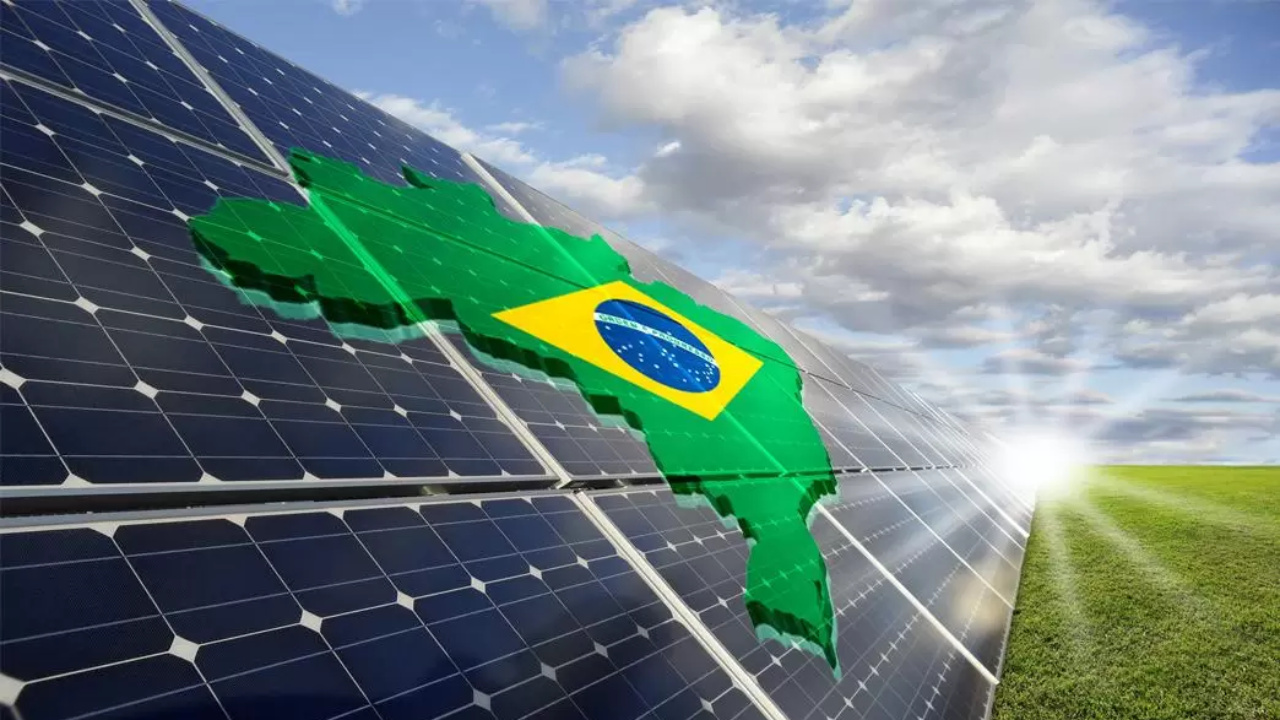

Research by Solfácil Shows That Solar Energy Is Cheaper in Several Brazilian States, With Average Cost Below the National Average and Return on Investment in Less Than Three Years.
The advancement of solar energy in Brazil continues to be driven by increasingly accessible costs and accelerated financial returns. A recent survey by Solfácil indicates that, although the national average price remained at R$ 2.49 per watt-peak (Wp), some states have significantly lower values for the installation of residential photovoltaic systems.
This scenario increases the interest of consumers seeking to reduce electricity costs and invest in a clean and sustainable source.
Price Differences Create Regional Opportunities
According to the research, Acre appears as the cheapest state to install solar energy in the country. The average cost per watt-peak was R$ 2.14/Wp, a value well below the national average. Moreover, in locations with the lowest cost, the return on investment occurs in less than three years.
-
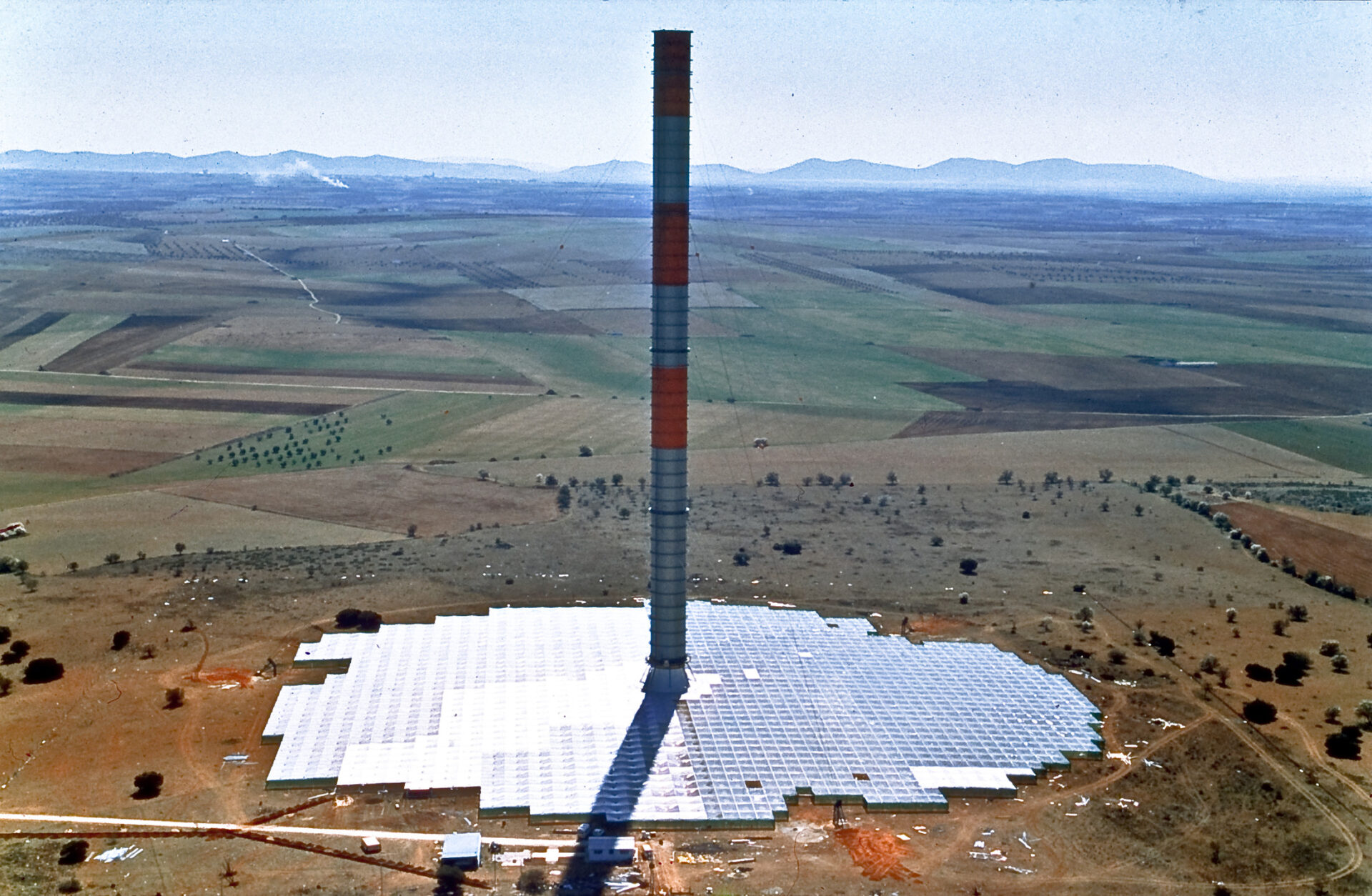
Solar Chimney in Spain Harnessed Sun to Generate Electricity for 7 Years Without Burning Fuel

-
Solar energy reaches 55 GW, becoming the second largest power source in Brazil’s energy mix

-
Solar energy can increase property value by up to 10% and become a selling point.
-
Solar and wind energy surpass natural gas for the first time in the world and accelerate energy revolution


This performance reinforces the competitiveness of the sector, especially in regions where the combination of lower price and good solar irradiance makes photovoltaic systems even more financially advantageous.
Payback Under Three Years Attracts New Consumers
Another relevant data point from the study is the time for return on investment, known as payback. In the cheapest states, consumers recover their invested value in about 36 months through the savings generated on their electricity bills.
“The solar energy market remains very favorable for those looking to invest. Prices are still below the levels of 12 months ago. In Brazil, photovoltaic systems are extremely affordable, with payback under three years. No other market in the world offers such a quick return,” says Fabio Carrara, CEO and founder of Solfácil.
The statement reinforces the perception that solar energy remains one of the most attractive alternatives within the Brazilian electricity sector.
Ranking Reveals Concentration of Cheapest States
The survey, conducted based on data from the third quarter of the year, pointed to the ten states with the lowest average cost for residential solar energy installation. Right after Acre, Rondônia occupies the second position, with R$ 2.18/Wp. Following, Alagoas has an average cost of R$ 2.30/Wp.
Next in the ranking are Mato Grosso, with R$ 2.31/Wp, and Mato Grosso do Sul, with R$ 2.32/Wp. Paraíba comes next, recording an average price of R$ 2.35/Wp, while Piauí appears with R$ 2.36/Wp.
The survey also points to Amazonas, with an average cost of R$ 2.37/Wp, Rio Grande do Norte, with R$ 2.40/Wp, and Amapá, with R$ 2.42/Wp, rounding out the list of states with the most affordable systems.
National Average Price Remains Competitive
Even outside the group of the cheapest, the national average value of R$ 2.49/Wp keeps solar energy as a financially viable alternative across the country. According to Solfácil, current prices remain below those practiced a year ago, which contributes to the continued growth of the sector.
This context benefits both residential consumers and small businesses, who see self-generated energy as a means of financial predictability amid the tariff fluctuations of the conventional electricity system.




