Portuguese
  Spanish



Farmers Turn To Rural Unions In An Attempt To Recover Their Properties
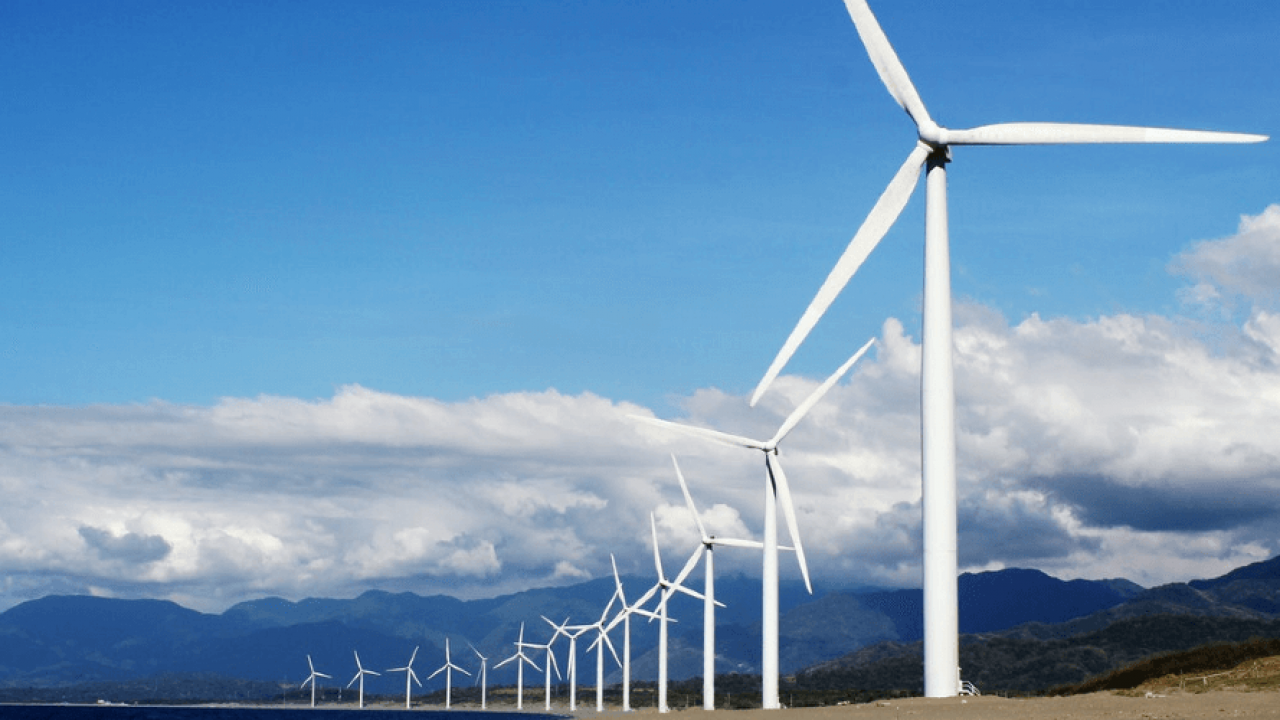
Residents of the municipality of Caetés, 250 km from Recife, are complaining about the wind farms in the region. Families of farmers have started receiving various visits from representatives of the company ‘Casa dos Ventos’, who were interested in installing wind turbines in the city and developing wind farms in the region. The impression these representatives conveyed to the landowners was that those who allowed the installation of a wind turbine on their land could be at ease, as they would have a pension for the rest of their lives. Currently, after 7 years of this whole story, Caetés has over 200 generators installed in the region, something that has affected not only the rural landscape of the city but also the lives and mental health of the farmers. In 2017, the company Eco Energia acquired the wind farms from Casa dos Ventos, and since then, ECO has been the main responsible for the venture.
Read Other Related News
The Trauma Caused By Wind Farms


Since the beginning of the second half of this year, a large delegation formed by entities, social movements, unions, and parliamentarians has been going to Caetés, visiting the areas of wind farms in the Agreste region of Pernambuco, to hear testimonies from farming families about the impacts caused by these large enterprises on their lives.
Residents Claim Promises Were Not Kept
The representatives of the company that would build the wind turbines offered to renovate and build the farmers’ houses, as well as payments ranging from R$ 1,500 to R$ 2,000 for each wind turbine installed on their land.
-
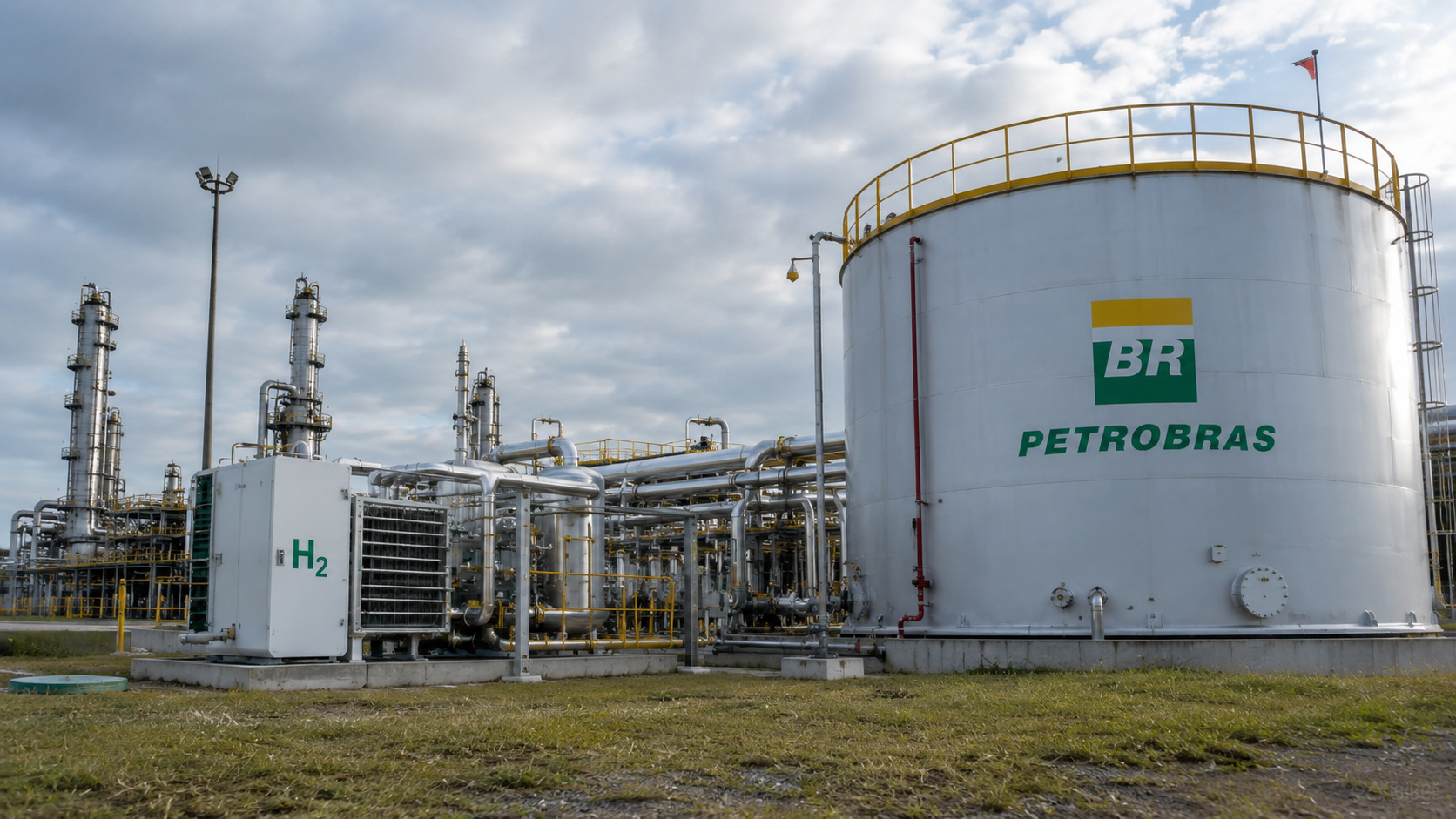
Brazilian scientists are simultaneously advancing two research projects on clean hydrogen and driving solutions that could transform the energy matrix, enhance industrial competitiveness, and accelerate large-scale emission reduction targets.

-
Advancement in renewable energy: A R$ 150 million project launched by Petrobras and Finep aims to create state-of-the-art electrolyzers for green hydrogen, strengthening national research and preparing Brazil to compete in a billion-dollar energy market.
-
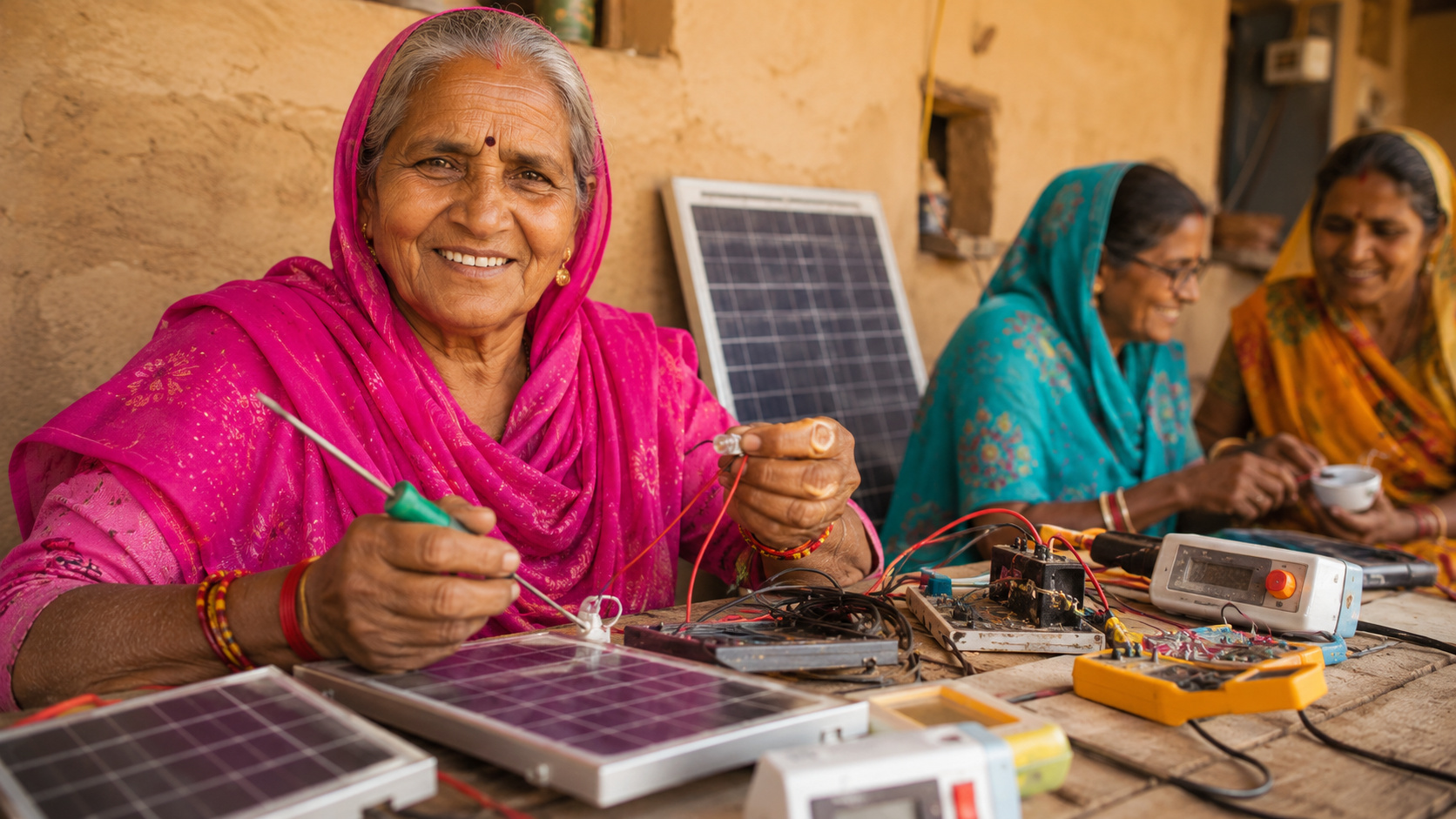
Illiterate or semi-literate grandmothers were trained to repair solar systems, open rural workshops, and light up homes that still depended on kerosene.
-
The world has bet on green hydrogen as the fuel of the future, but now faces the side effect: producing 1 kilogram requires about 9 liters of ultrapure water, and the largest projects on the planet are precisely in the driest regions of the Earth, where water is already scarce for people.


A total illusion, since a municipality with fewer than 30,000 inhabitants and poor, with a Human Development Index – HDI of 0.522, would not have full conditions to see a return from what was being invested. The various visits and conversations between the representatives and the farmers were mediated by the city halls.
At the time, the administrations were led by mayors Armando (PTB, in Caetés), Ernandes (former PR, now PL, in Venturosa), Zeca Vaz (PTB, in Pedra), and Neide Reino (PSB, in Capoeiras). The Rural Workers’ Unions – STRs were not invited to the discussion and only learned about the visits that the small municipalities received long after everything that had happened.
After Wind Impact, Farmers Protest for Jobs, Recovery of Their Lands, and Compensation Against Renewable Energy Company and Its Representatives
Even with everything that occurred, the unions still had a positive outlook on the ‘Casa dos Ventos’ proposal, as they believed it would bring jobs and income to families, as well as improve living conditions in the countryside and stimulate the local economy, all with a source of renewable energy.
But throughout 2014 and 2015, various studies and surveys were conducted, so the company could decide the most suitable construction locations for the installation of the wind turbines, which were only built in mid-2015.
The wind farm was named “Ventos de São Clemente”, which became operational the following year. 100 of the 126 wind turbines scattered across rural properties are installed in Caetés.
With the start of the wind farm’s operation, various problems began to arise and soon families turned to local unions, reporting that they were being harmed both in health issues and financial matters, as their lands had been severely affected.
In 2017, the company Eco Energia acquired the wind farms from Casa dos Ventos, and since then, ECO has been the main responsible for the venture.
NOTE: All the content of this text has been reproduced based on an interview from the Portal Brasil de fato by writer Vinícius Sobreira.