






 Portuguese
  Spanish


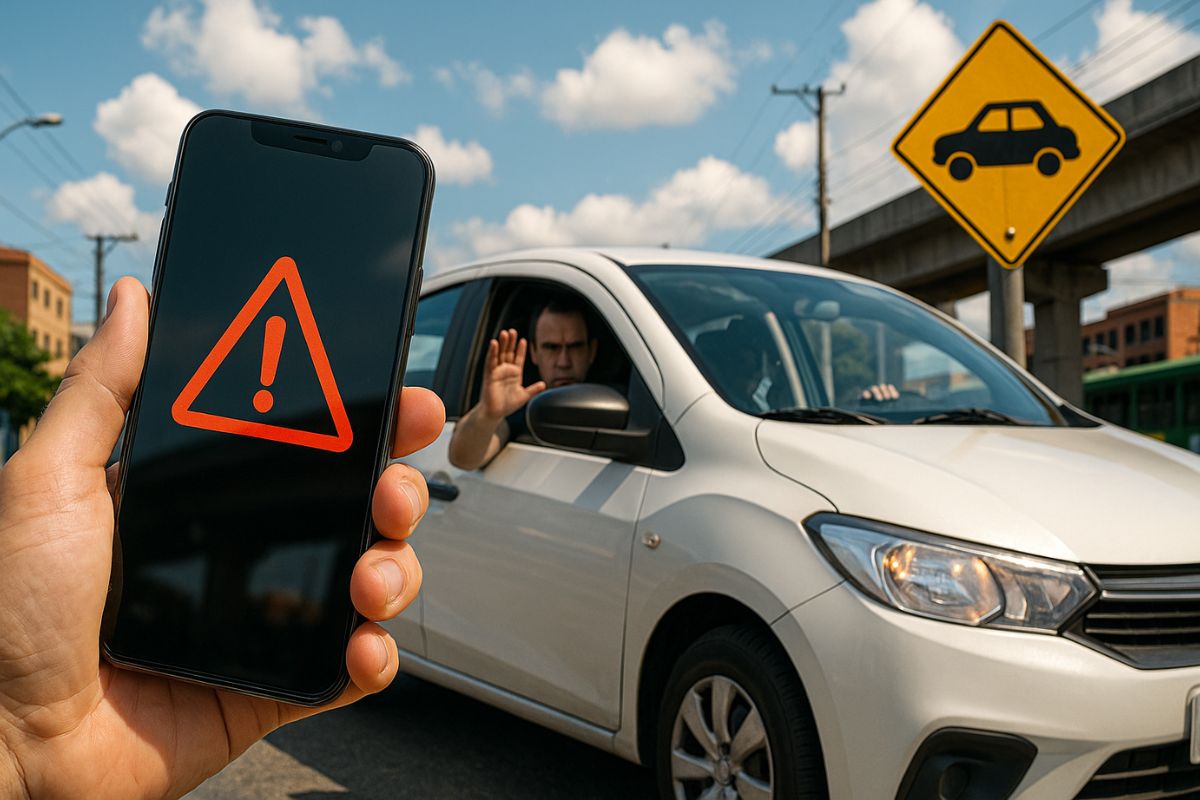


Case of Passenger Who Lost Device Reignites Debate Over Reward, Platform Fees, and Legal Limits on Returning Items
A passenger forgot her phone in the rideshare car and was told by the driver: delivery only upon payment of R$ 150. The incident, which is not isolated, exposes a blind spot in the everyday operations of rides: after all, what can be charged for the return of a forgotten item and who sets that value.
The topic mobilizes consumers and drivers because it involves app rules, principles of the Consumer Defense Code, and provisions of the Civil Code regarding found items. When the charge goes from a simple operational fee to a “reward,” questions arise about what is fair and what is abusive.
The Case That Went Viral
The passenger reported that she forgot her phone on the floor of the vehicle and received a charge of R$ 150 to retrieve it. She agreed to pay out of fear of the loss of having to buy a new phone, something many users would do in the same situation.
-
Driver Crosses 100-Year-Old Railway Bridge Over Uruguay River, Encounters Rural Couple Preserving Traditional Farming Methods

-
Rural Producer Returns to Brazilian Farmland, Builds Family Agricultural Business with Children’s Support and Industry Backing
-
Goiás Couple Boosts Artisan Cheese Production from 25 to 70 Kilos Daily with Technical Support, Transforming Family Life in Rural Brazil
-
13-Year-Old Discovers Ancient Roman Ring Near Mount Carmel, Now Set for Display in Jerusalem




Similar reports show varied charges. There are platforms that set a fixed logistics fee, such as R$ 50 for the driver’s return, regardless of the value of the forgotten item. In other cases, drivers attempt to negotiate their own prices, which creates conflict.
The often-cited legal point is the rule regarding found items: the Civil Code allows for a reward to those who find and return an item, mentioning percentages and reimbursement for expenses such as transportation and preservation. In practice, this is interpreted as an incentive for return and a good faith effort from those seeking the owner.
But there are clear boundaries. Retaining the found item to force payment is conduct that may constitute an unlawful act, and the correct procedure, if no agreement is reached, is to deliver the item to an authority or to the platform itself, which maintains support channels for lost items. The reward cannot turn into coercion.
App Fee vs. Negotiated Value
Companies tend to standardize a travel fee to cover fuel and the driver’s time for the return. This charge is predictable, appears in the terms of use, and does not depend on the price of the forgotten item.
When the driver ignores the platform’s fee and sets a price on their own, it opens the door for contestation. The contracted service was the ride, not the custody of the item, and any additional charge needs to have an objective and proportional basis. If it exceeds that, it may be seen as abusive practice, since the relationship is governed by the Consumer Defense Code.
According to the CDC, all charges must be transparent, previously informed, and proportional. An operational fee for returning the item is justifiable. Turning the return into a “rescue condition” with an arbitrary price pressures the consumer in a vulnerable situation, especially when it comes to a phone, document, or card.
In case of a misunderstanding, the recommended course of action is to document everything with app support, keep conversations in writing, and if necessary, take the dispute to Procon or the Special Court. This creates a trail of evidence and avoids negotiation under pressure.
Best Practices for Drivers
For those driving for rideshare services, following the official protocol protects against conflicts: reporting the found item to the platform, arranging return through the system, and receiving the standardized fee. If direct return is not possible, delivering to a police station or designated post prevents accusations of wrongful retention.
Another helpful practice is to photograph the item at the time of finding and immediately communicate, preserving good faith. Transparency reduces strain and strengthens trust with passengers.
First, use the “lost items” area of the app to contact support and connect with the driver. Second, arrange the return in a public place and with the official fee. Avoid advance transfers outside the system and prefer to record the payment through the app whenever that option is available.
If the charge exceeds what was expected and you feel coerced, refuse, request the item be delivered to the police authority and file a police report. Keeping screenshots and protocols is essential for potential reimbursement or complaints.
And the So-Called “5% of the Value of the Item”
The idea circulates that the reward would be 5% of the item’s value. Even if this reference is invoked, it does not authorize retention of the item or unilateral demands. Any reward should be reasonable, voluntary, and cannot replace the fee already established by the platform, which covers the travel.
In other words, reward is recognition, not mandatory toll. If there is disagreement, the rule applies: return via app or authority, without bargaining over someone else’s item.
The incident of the passenger charged R$ 150 exposes a real dilemma: return costs vs. consumer rights. Clear and standardized fees reduce conflicts, while arbitrary charges generate insecurity. To work well, the driver follows the protocol, the passenger uses the official channels, and the platform fulfills its part with efficient support.
And you, what would you do in her place? Would you pay an extra reward in addition to the app fee or consider any amount outside the system abusive? For those who drive, do you accept only the fixed fee or think a higher compensation is fair when the return is long? Share in the comments how the rules of the game should be in your city and why. Real stories help improve the service for everyone.





Em Porto Alegre esqueci meu celular em um Uber. Minha filha entrou em contato com ele, ele cobrou a taxa de retorno de R$ 50,00, explicando que essa é a política de devolução. Minha filha aceitou e quando ele entregou ela ainda deu uma recompensa de R$ 200,00. Esse valor é muito inferior ao valor de um aparelho novo, além da perda de informações que tem no aparelho.
Registraria um BO com todas as informações obtidas. Acionária a plataforma e também registraría a reclamação na central do aplicativo. Pagaria e depois iria numa delegacia complementar o BO com a informação da extorsão.
Já aconteceu comigo, como passageiro e como motorista, o comum é não cobrar, mas a recompensa serve para também para remunerar pelo trabalho de devolver.