Portuguese
  Spanish


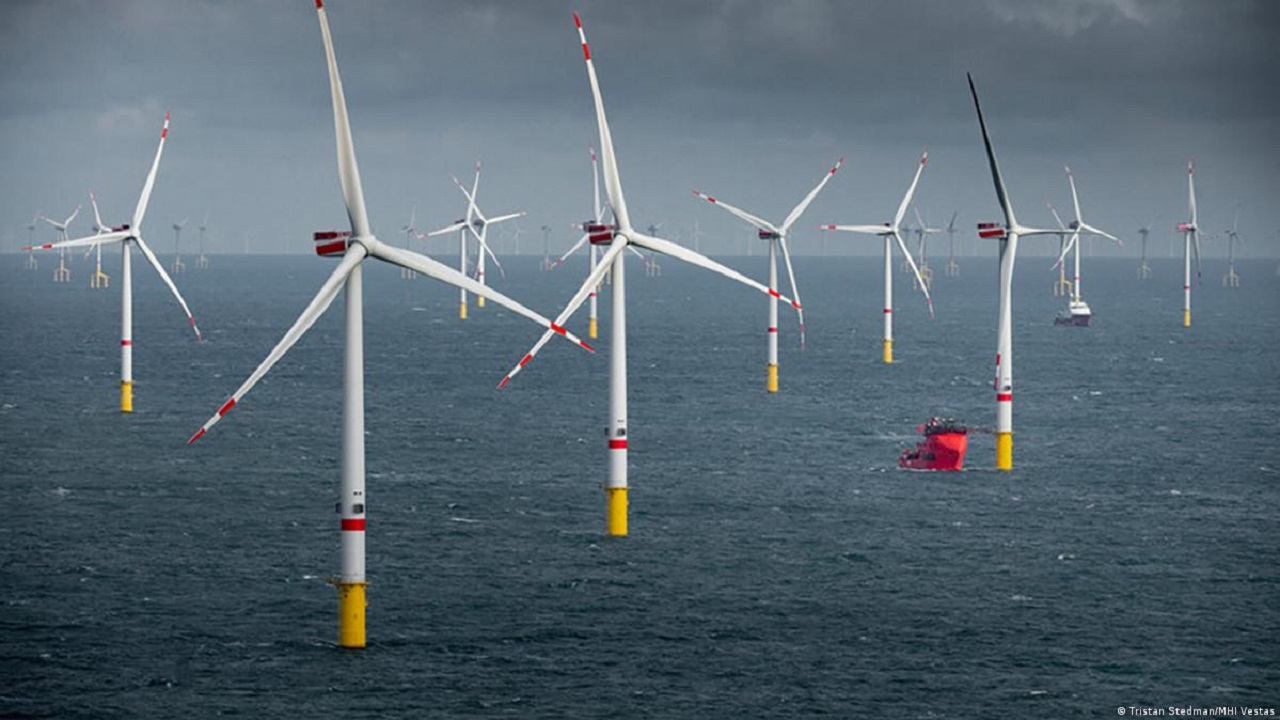

Petrobras Announced That It Will Invest Billions in Offshore Wind Energy, Creating Thousands of New Jobs in 6 States in Brazil.
Petrobras announced, on Monday (13th), the signing of a letter of intent with the Norwegian company Equinor to assess the feasibility of constructing seven offshore wind energy projects along the country’s coast. The installed capacity of these projects is 14.5 GW, with a capex of US$ 52.2 billion or R$ 271 billion, which, in addition to generating thousands of new jobs in the country, would require significant investment from Petrobras.
Advantages of Offshore Wind Energy
Petrobras’s initiative is a significant step towards ecological energy transition. The aim of the offshore wind energy projects by Petrobras is to diversify revenue from renewable sources, as part of the company’s strategic plan for the next 5 years. However, some executives in the field question the choice of offshore wind over onshore options.
The capex for an offshore wind farm is three times greater than that of onshore, which can be viewed as a high cost for the company. In Norway, the choice of offshore wind is explained by the lack of land. In Brazil, on the other hand, it’s quite the opposite; there is plenty of land.
-
Brazil Aims to Become a Global Exporter of Green Hydrogen, the Clean Fuel Set to Generate Billions

-
Brazil to Hold First Offshore Wind Energy Auction, Aiming to Become the Country’s New Hydropower
-
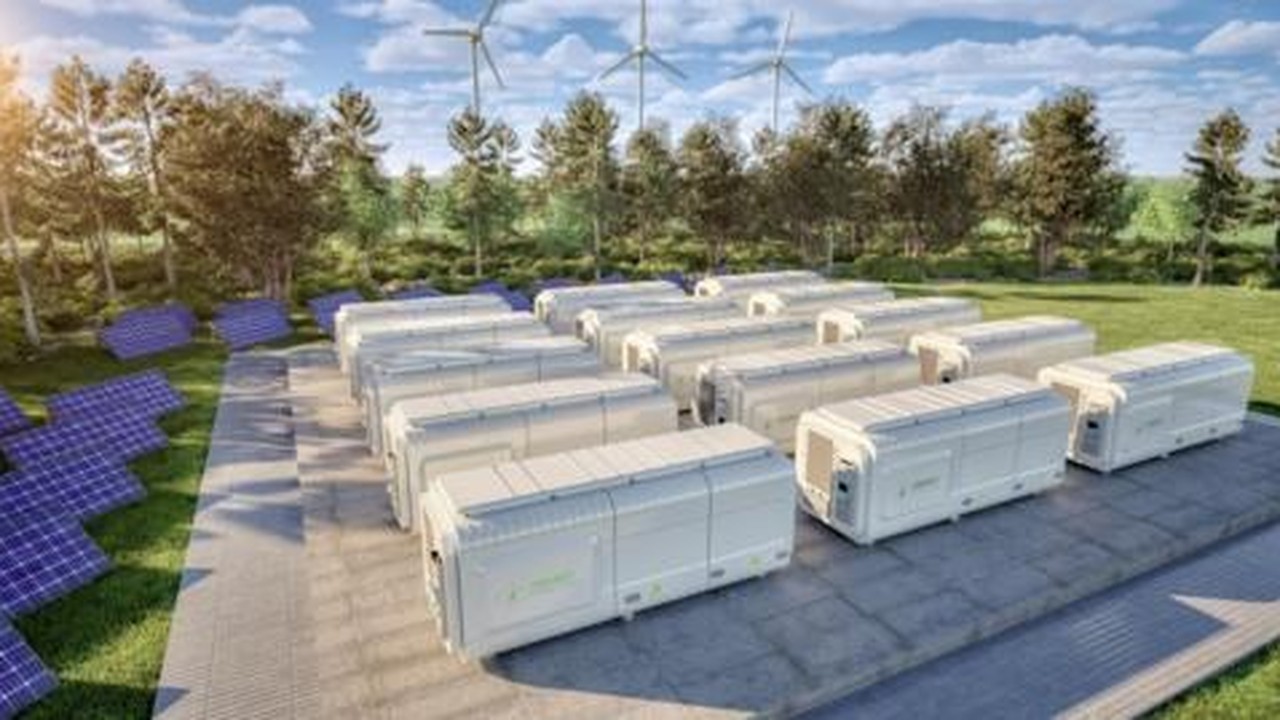
Brazil to Hold First Auction for Batteries to Store Solar and Wind Energy from the Northeast
-
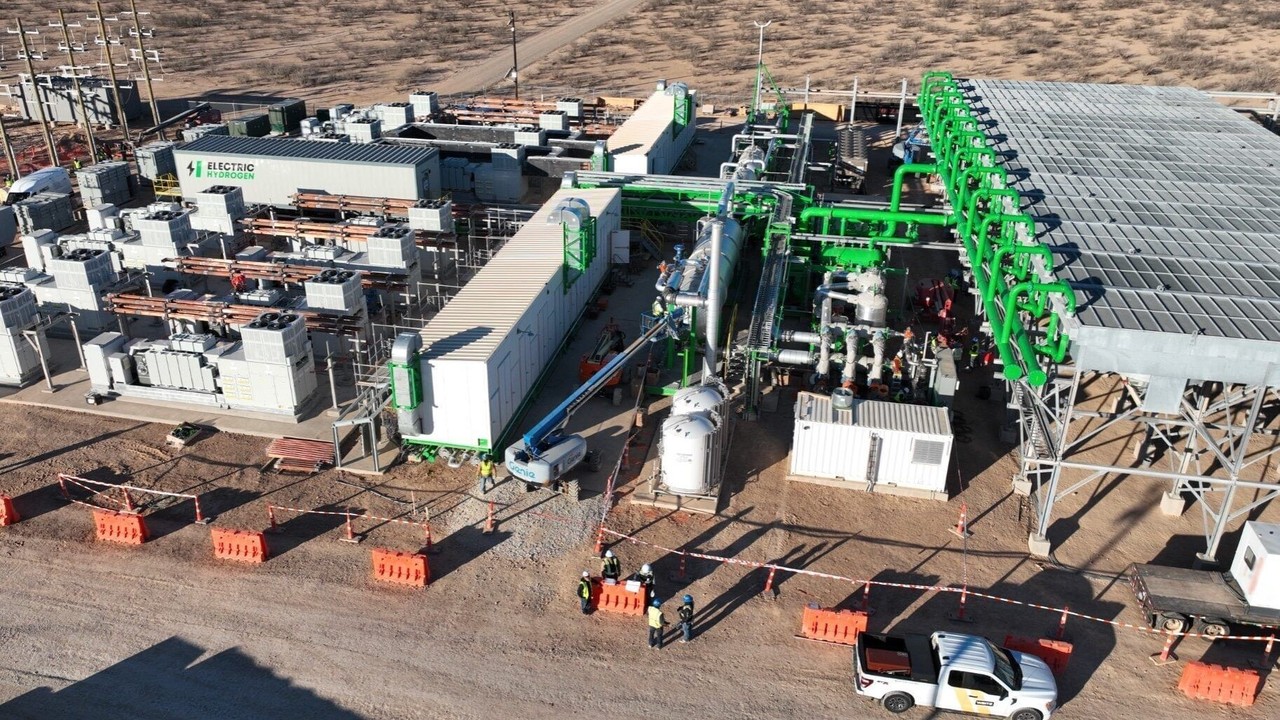
Brazilian scientists are simultaneously advancing two research projects on clean hydrogen and driving solutions that could transform the energy matrix, enhance industrial competitiveness, and accelerate large-scale emission reduction targets.



Although there are high costs, offshore wind energy has some advantages, such as the great stability and speed of winds at sea, free from interference from barriers like ground roughness, mountains, forests, and buildings. This can lead to a higher capacity factor for this type of generation offshore, which may compensate for the higher costs. In fact, data from the Brazilian Energy Research Company (EPE) show that the capacity factor of offshore wind is slightly higher compared to onshore.
Petrobras Plans to Invest US$ 78 Billion in Green Hydrogen
According to Petrobras’s president, Jean Paul Prates, this agreement will pave the way for a new frontier of renewable and clean energy in the country, harnessing Brazil’s significant potential for offshore wind energy and driving the trajectory towards energy transition.
In addition to offshore wind energy, Petrobras also plans to invest in other renewable energy sources, such as green hydrogen, biorefining, and carbon capture. This revenue diversification strategy is important for the company, which already plans to invest US$ 78 billion between 2023 and 2027, with 80% allocated for oil exploration and production and US$ 15.6 billion for other purposes.
The 7 offshore wind farms under analysis, which will create numerous jobs, are distributed across the states of Piauí, Rio Grande do Norte, Ceará, Rio de Janeiro, Espírito Santo, and Rio Grande do Sul.
Brazil Has 23 GW Capacity
Currently, the country has 23 GW of onshore wind generation capacity and another 23 from solar generation parks. Petrobras’s initiative is ambitious; however, it could be a significant milestone for energy transition in Brazil.
Wind energy is one of the main sources of clean energy, and the country has great potential for the generation of wind and solar energy. Petrobras’s initiative may help boost the clean energy industry in the country, generating jobs and mitigating greenhouse gas emissions.
According to Petrobras, the estimate is that the world of renewable energy, mainly solar and wind, will meet 30% of the demand for electricity in 2023. According to Fabrício Zorzanelli, who works in the Energy Efficiency sector of the company’s Research Center, in line with one of PNG’s strategies, which aims to prepare Petrobras for a future based on a low-carbon economy, a research project was proposed until last year.